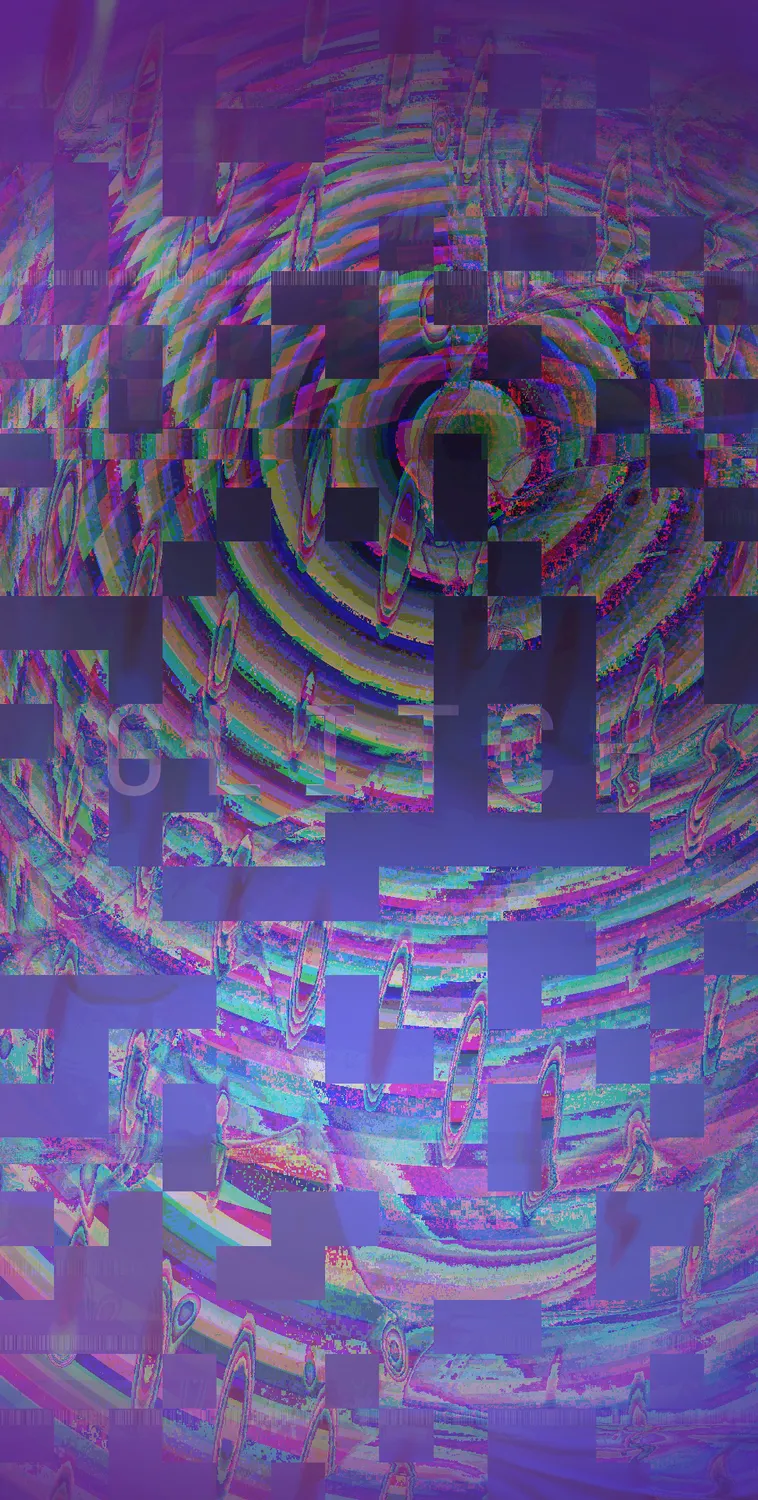
The Glitch family — corruption you can control
Twelve ways to break an image on purpose — real DCT compression, real pixel sorting, real datamosh — computed live on your GPU, never faked with a preset.
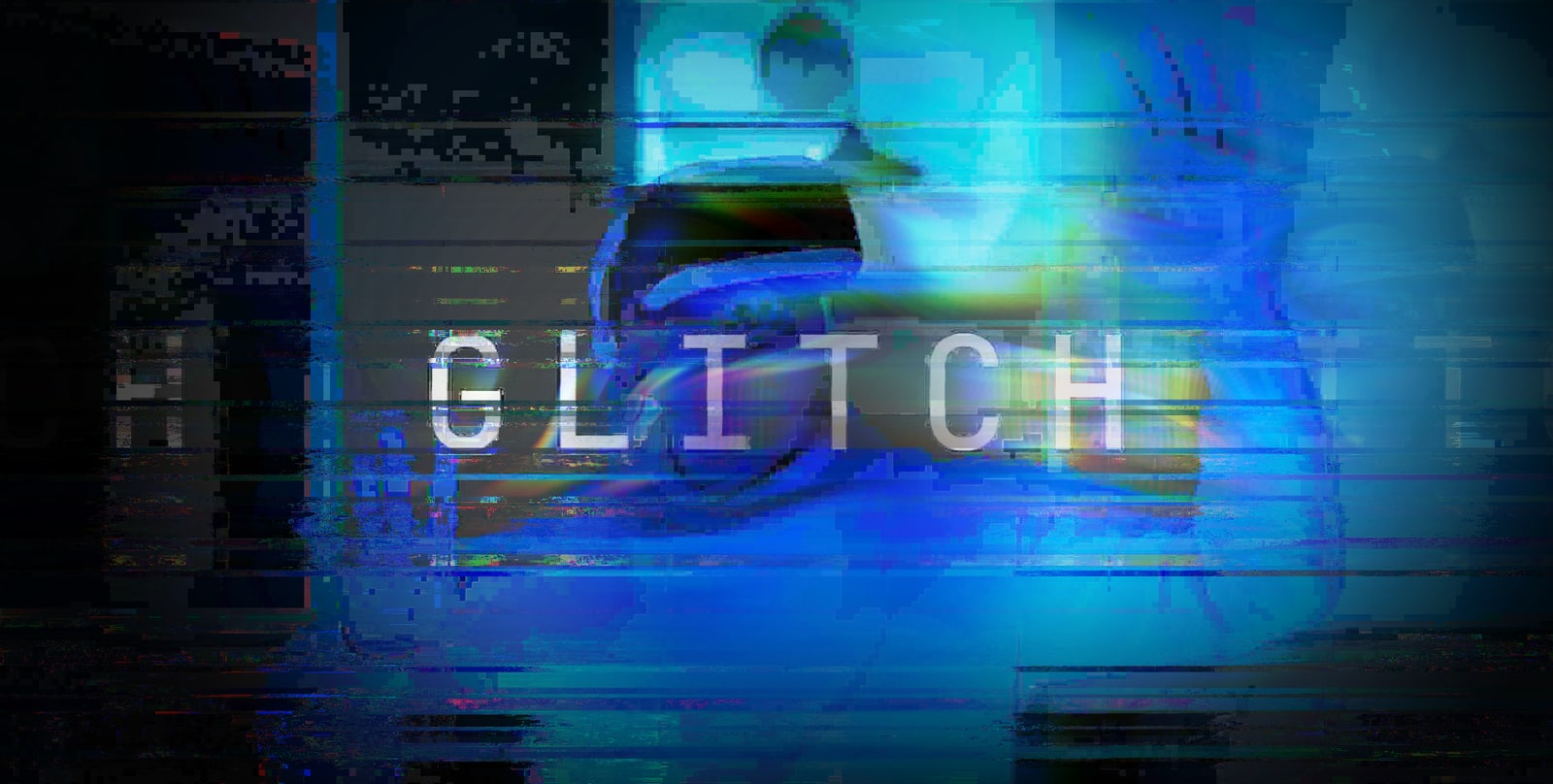
Glitch art usually means one of two things: a preset that stamps a fixed "VHS" overlay on top of your picture, or a happy accident you can't reproduce. V3KTR's Glitch family is neither. Every effect here is the actual algorithm — real datamosh corruption, a real pixel sort, a real JPEG compressor pushed until it falls apart — computed live on your GPU and driven by parameters you set. As the family's own line puts it: and mean it — controllable, not happy accidents.
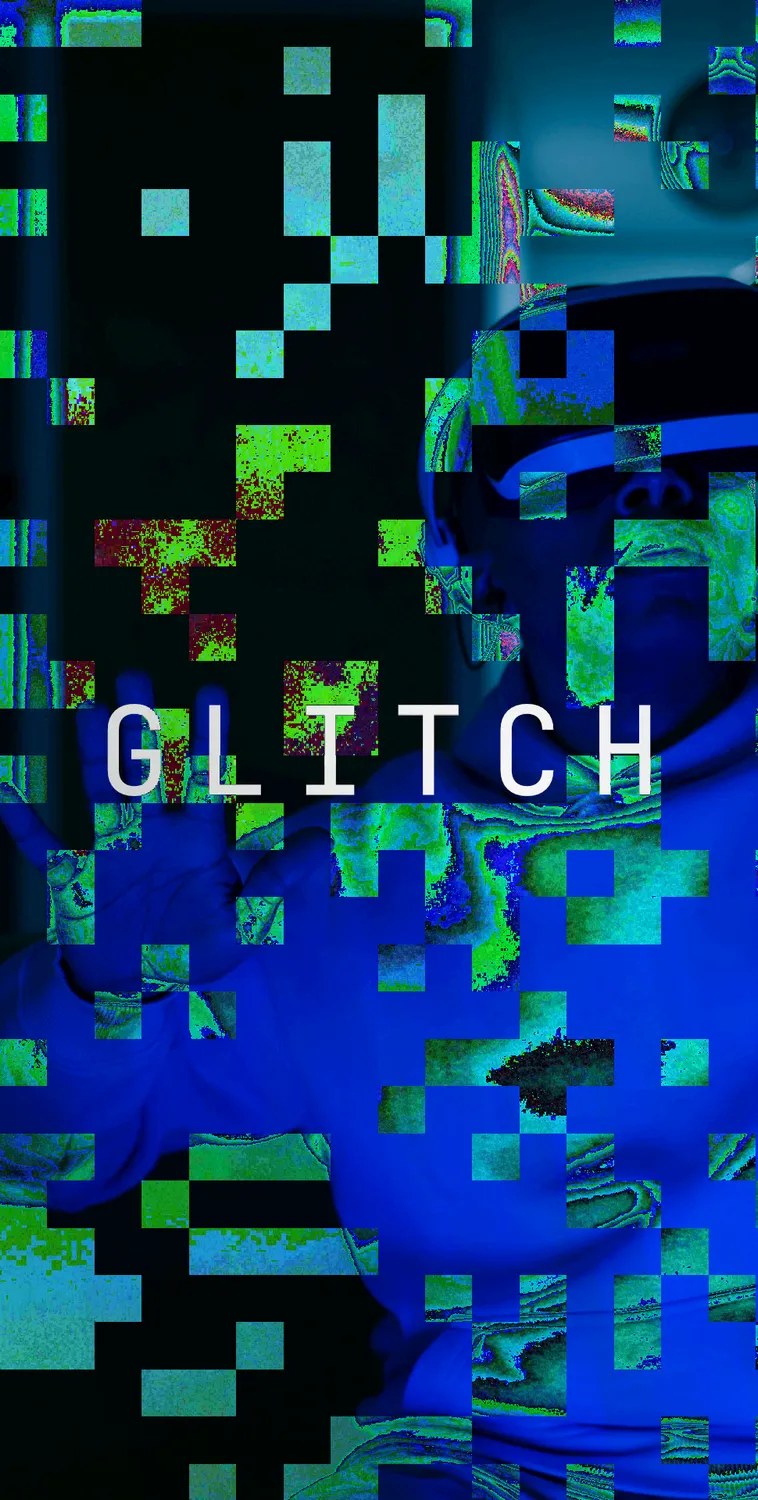
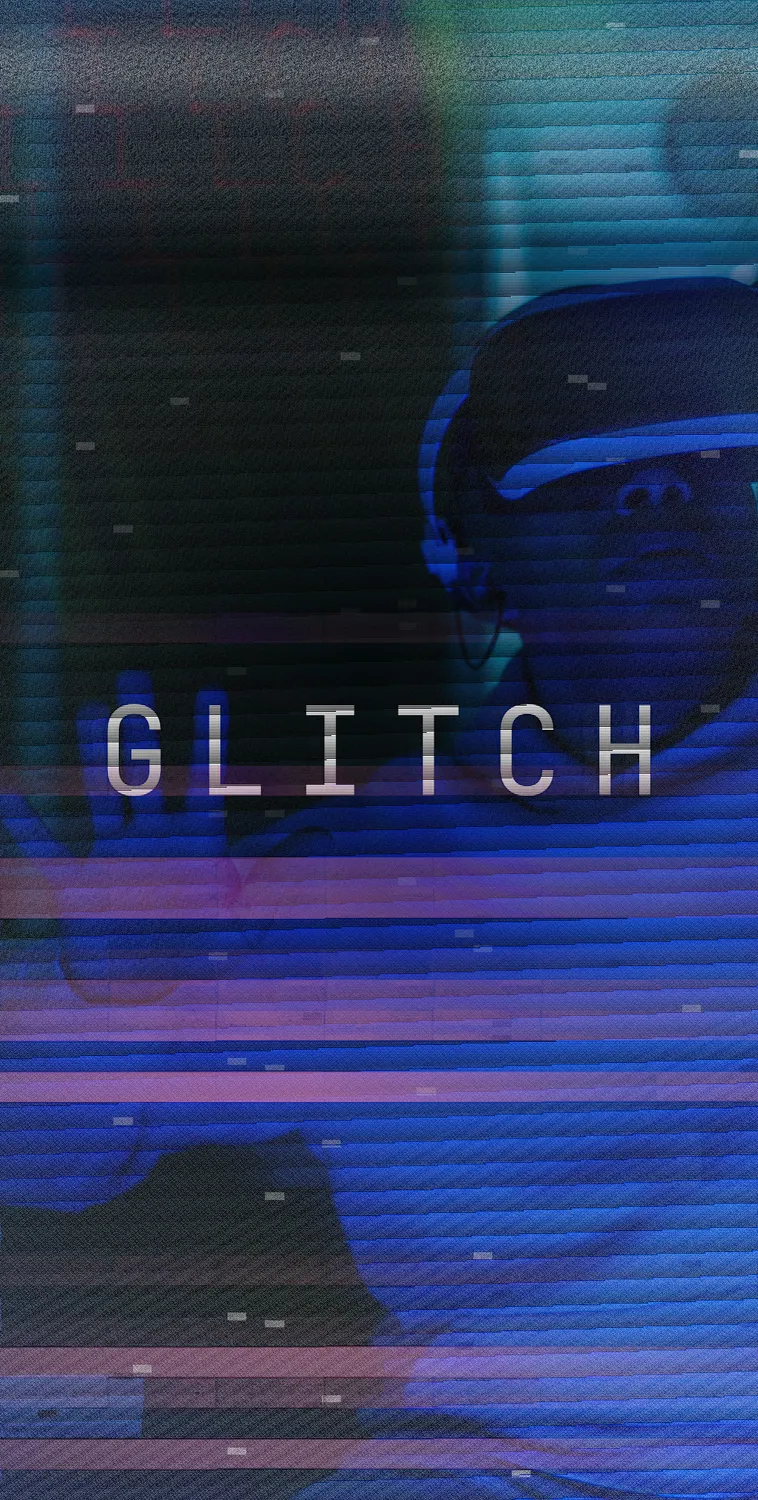
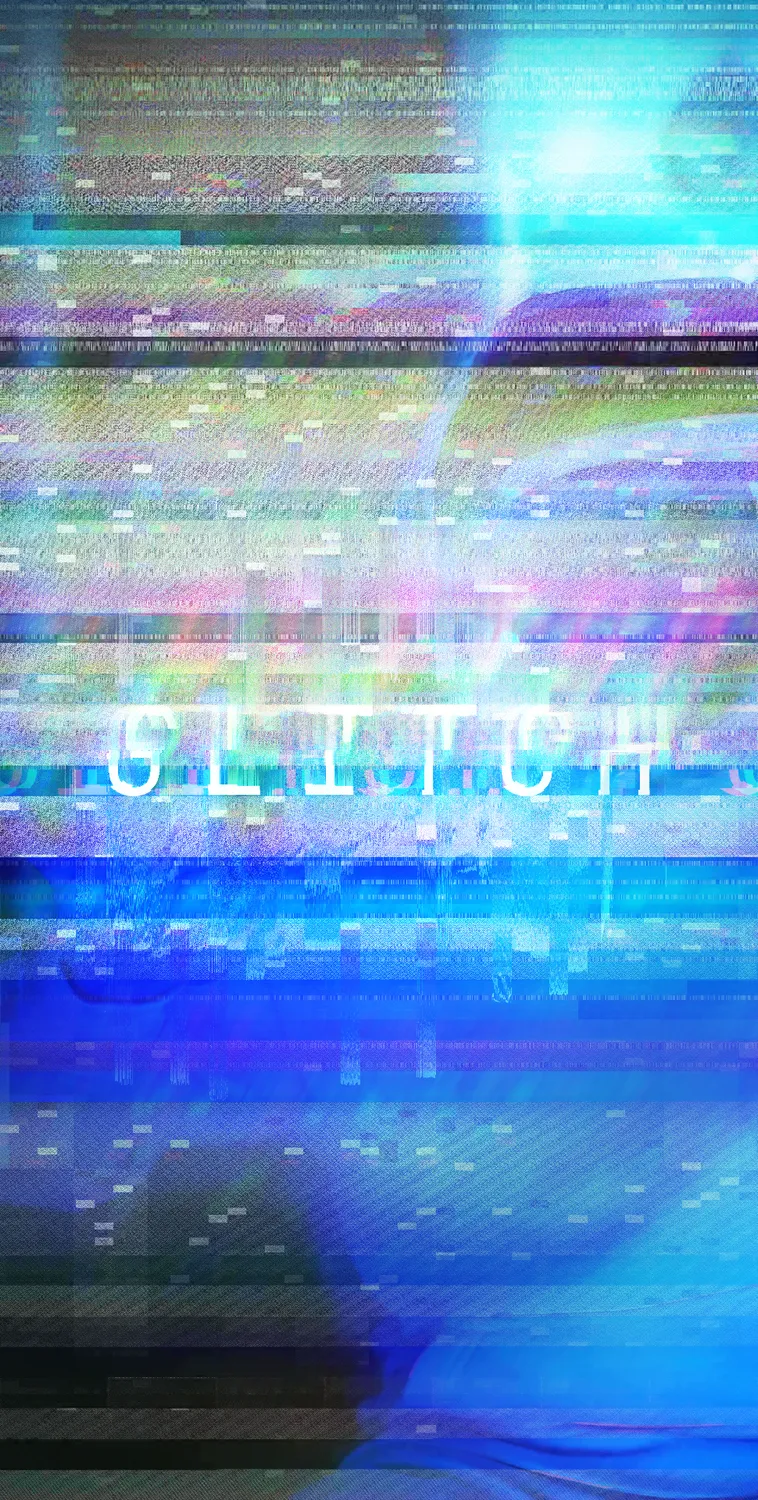
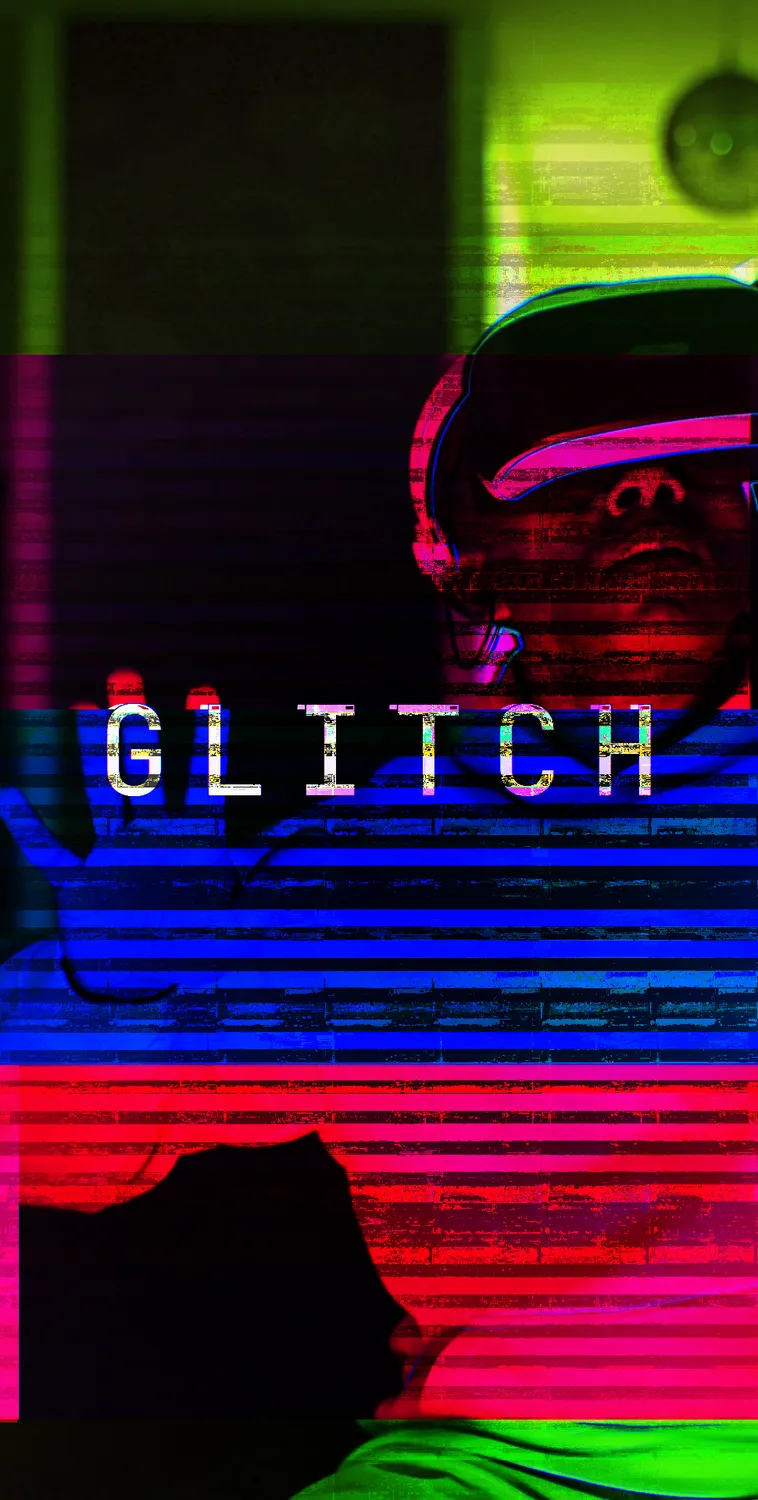
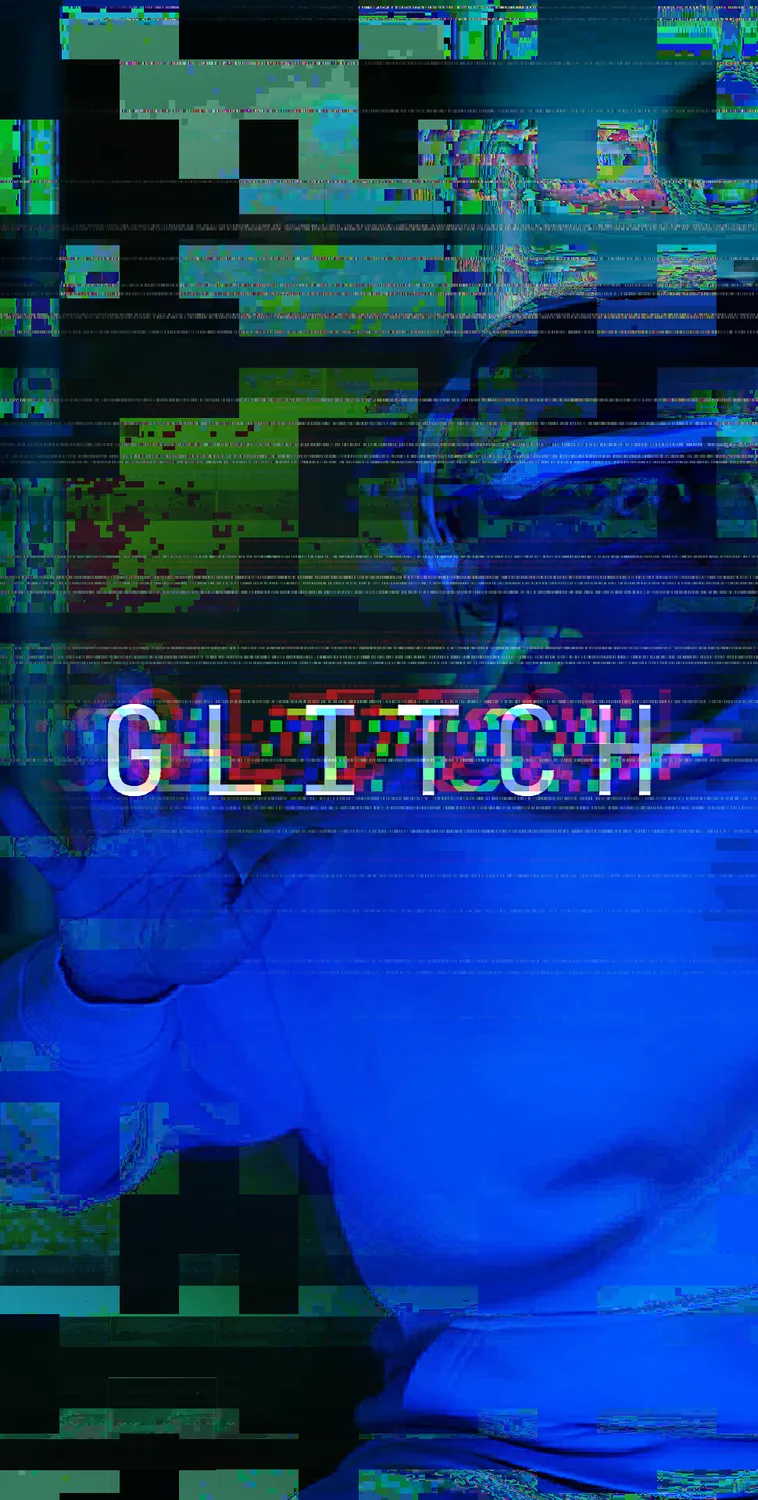
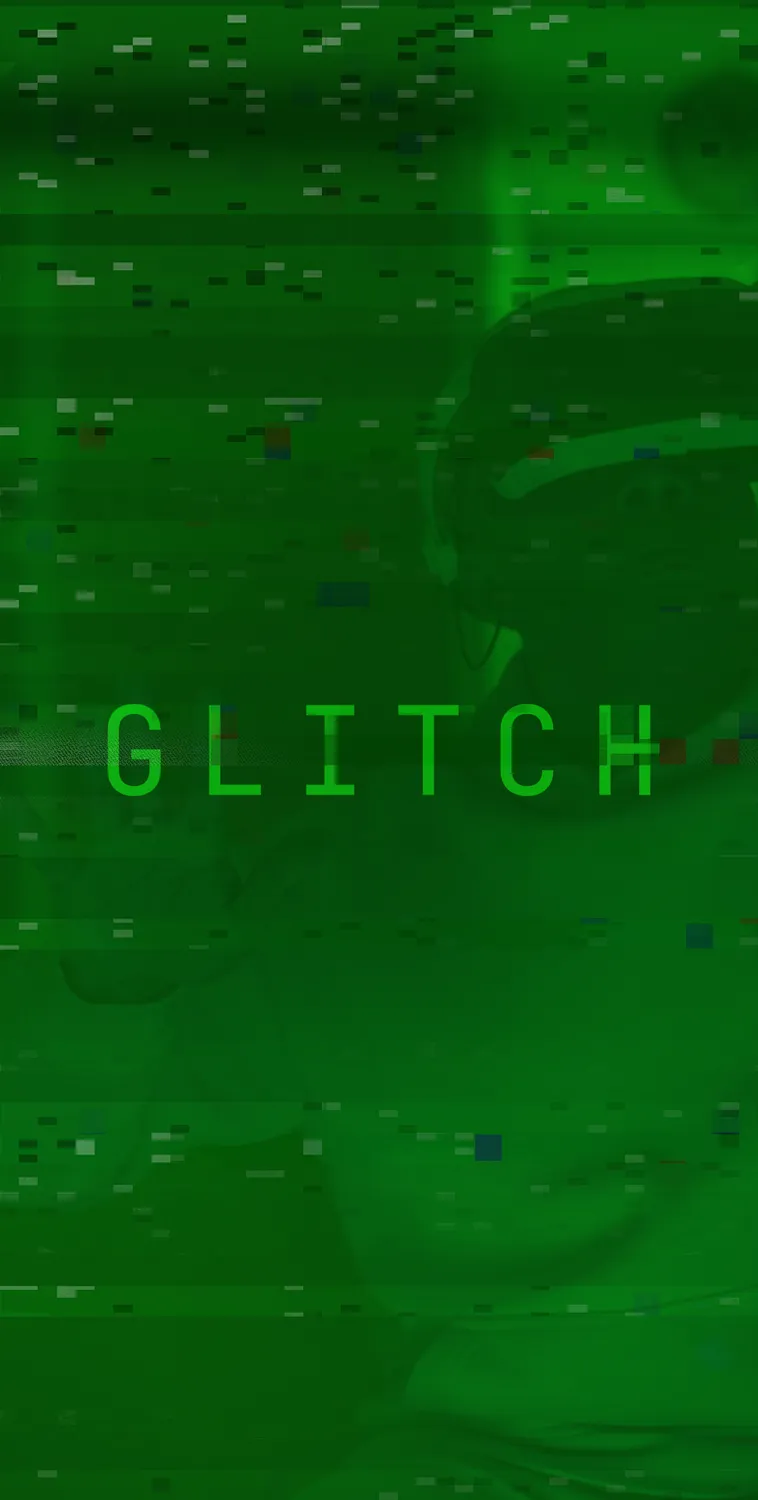
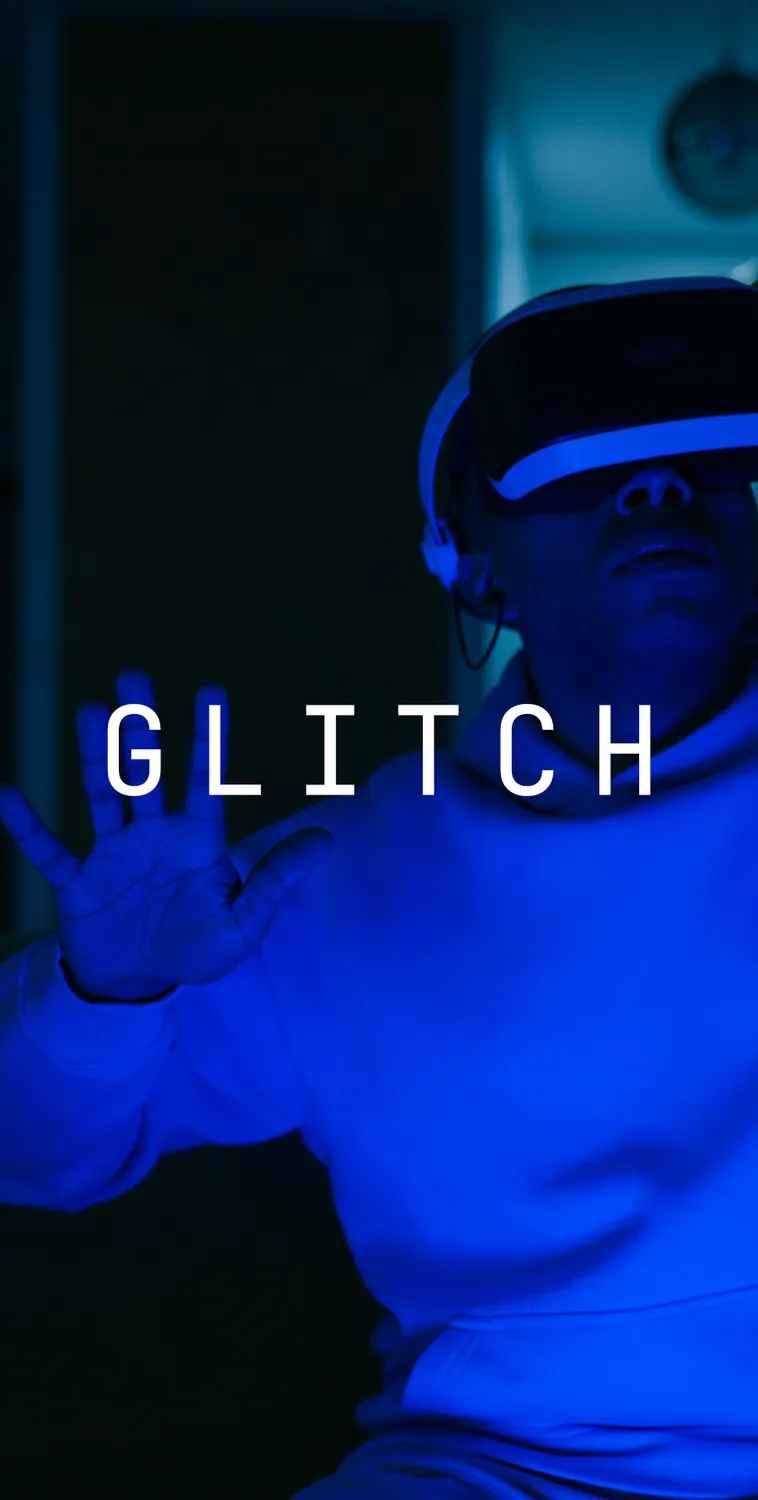
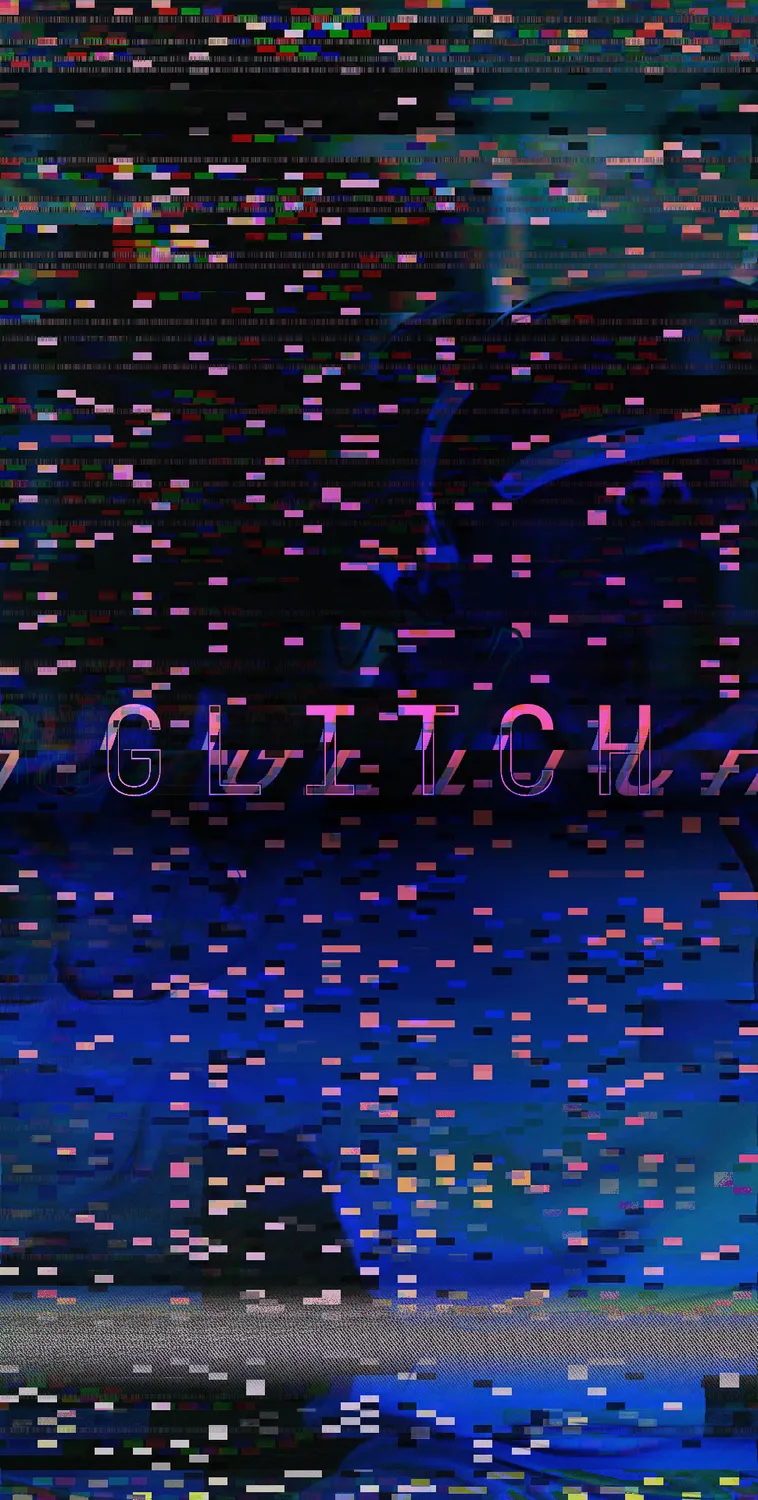
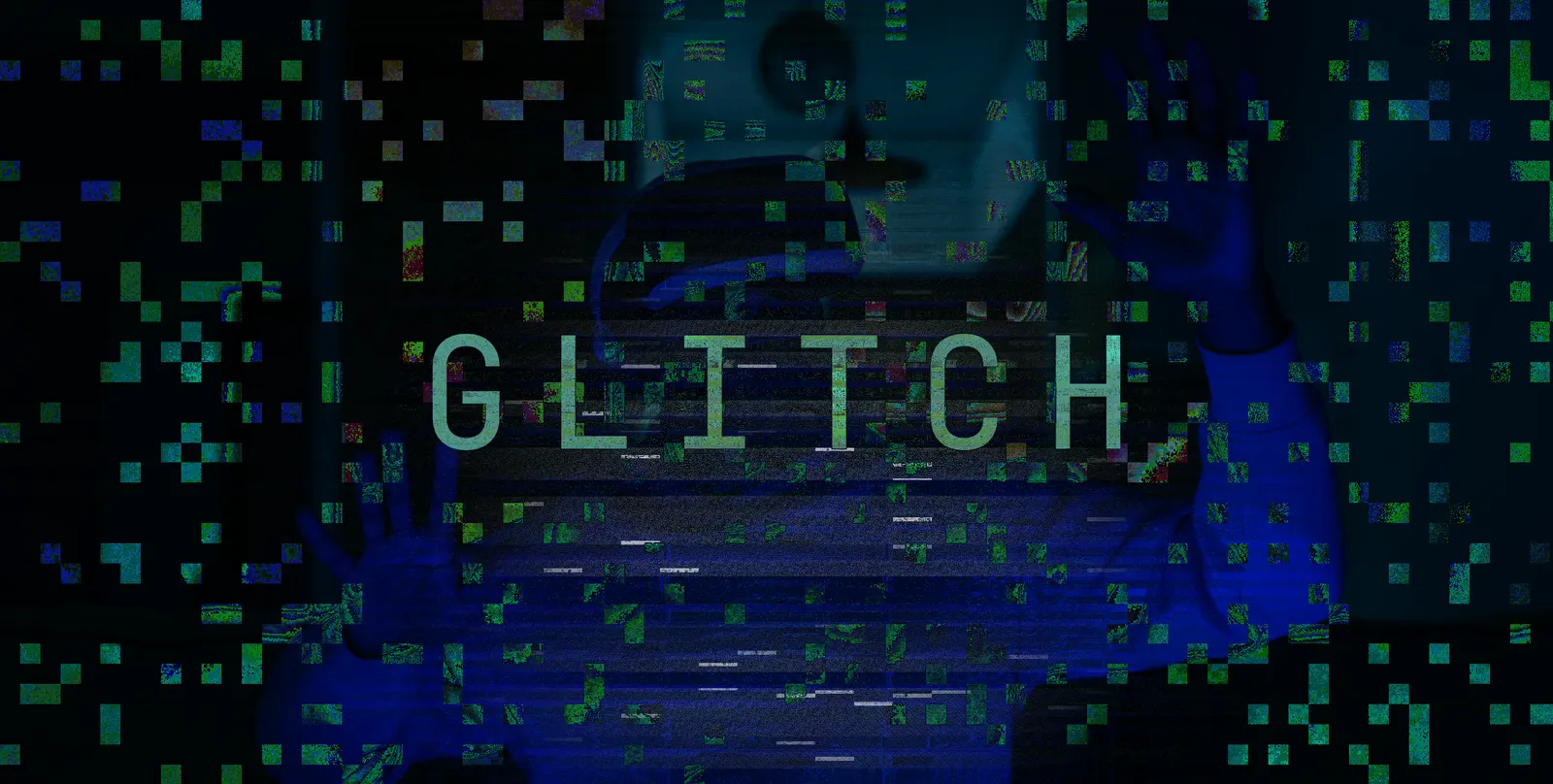
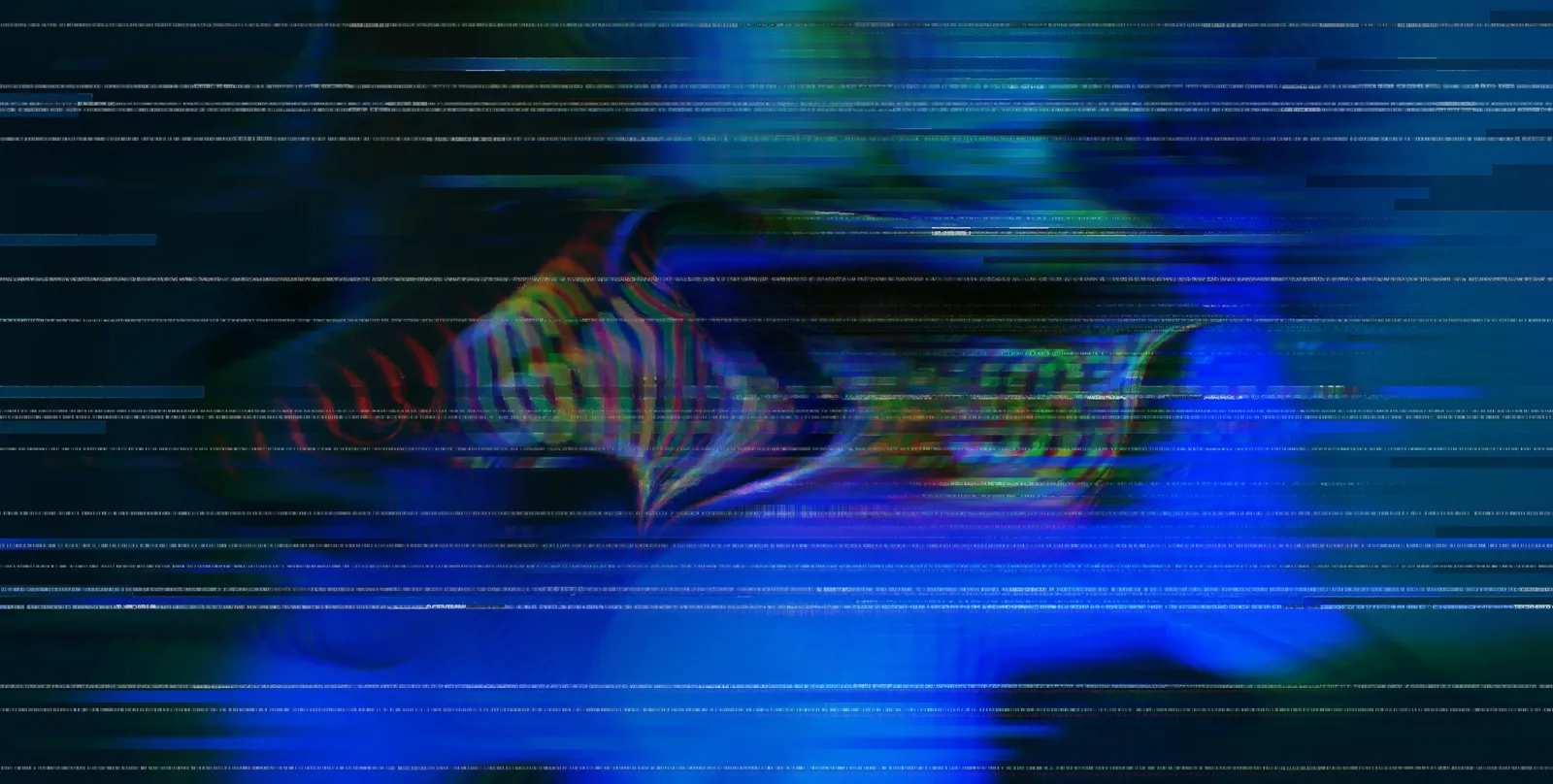
The images on this page are a single photograph — someone in a VR headset — run through the family at random, over and over. Same source, a dozen different ways to break it. Here's what each one is actually doing.
Broadcast and tape: the signal is failing
Four effects model a transmission coming apart, and they do it by reproducing the failure, not painting a picture of it.
Scan Glitch slips horizontal bands sideways with per-channel RGB tears, occasional sync-tears and rows of bright corruption noise — a frame that has lost horizontal lock. Signal Break goes the whole way: layered sync tear, a frozen roll bar, RF multipath ghosting, tape dropout, head-switch noise and an SNR that collapses to snow. It's an entire broken-transmission stack in one effect — and on a still, the roll is a single honest frozen frame, not a faked animation.
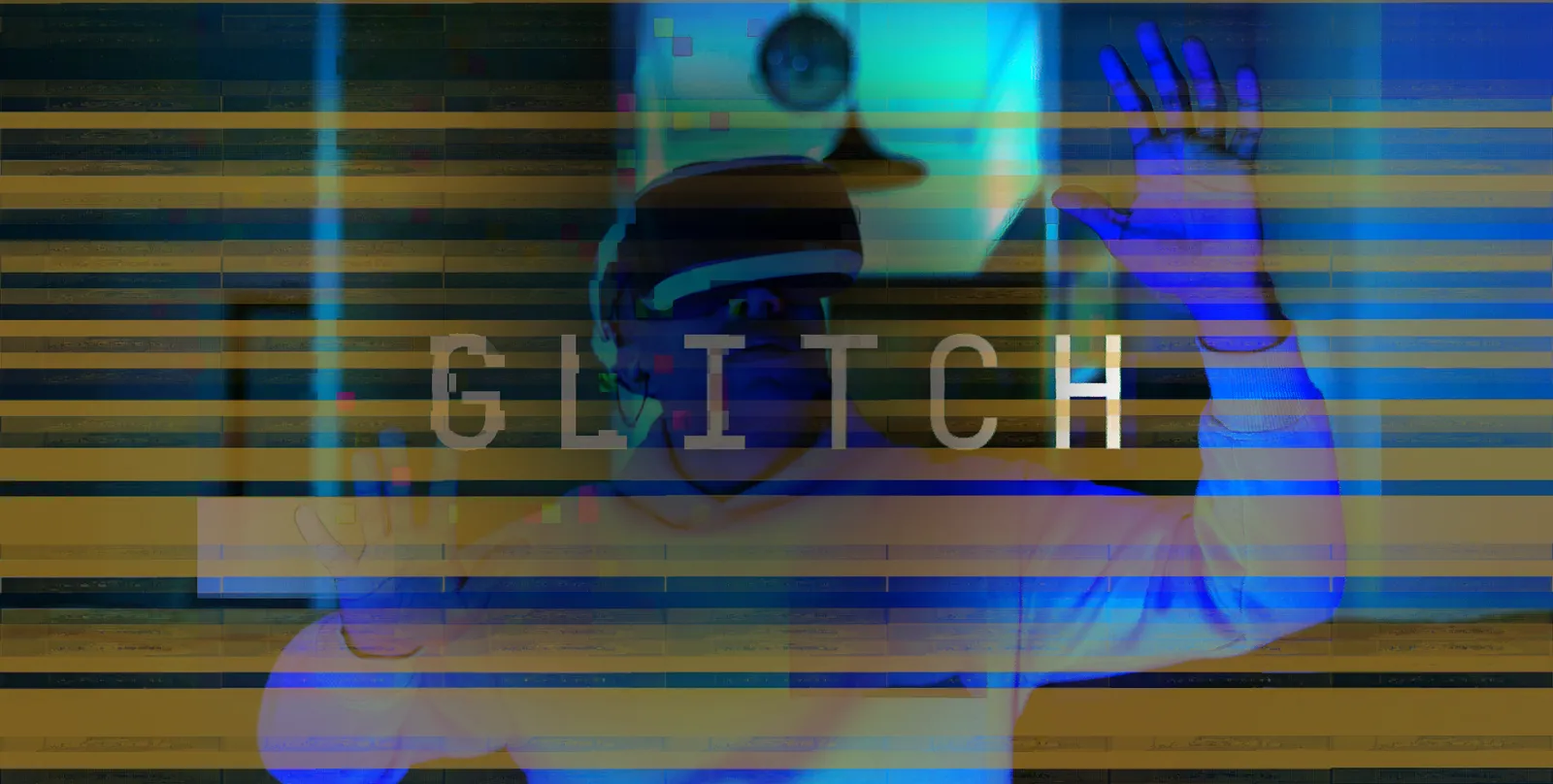
Databend is the datamosh one. It corrupts on macroblock boundaries the way a damaged video buffer does: blocks smear along their motion vectors, colour-tear from a channel byte-shift, or collapse to a flat DC block, with optional quantise banding over the top. Displace Tear is its structural cousin — slice, block and row displacement with wrap-or-clamp seams and optional per-segment channel recolour. Where Databend reads as data corruption, Displace Tear reads as the image physically sheared apart.
Optics and sorting
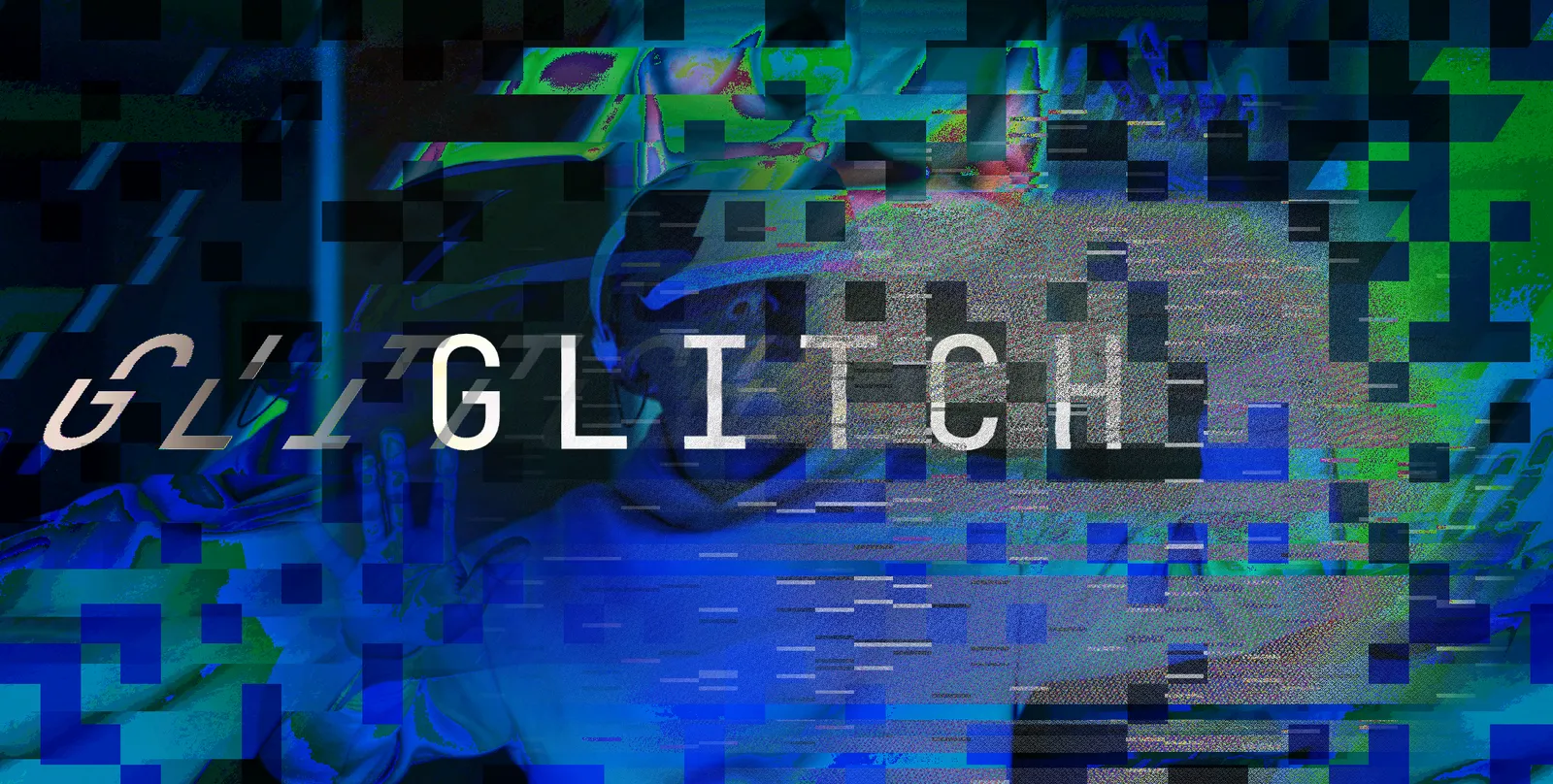
Chromatic Ab. is the clean one: a symmetric RGB channel spread along an axis with radial falloff — an optical lens fringe, not corruption. Pixel Sort is a true per-span insertion sort — it orders pixels along rows or columns within tonal spans bounded by luma thresholds, so the streaks follow the picture's own light instead of being smeared on top of it. Pixel Stretch is a slit-scan pull: pixels dragged from a movable source line along an axis, with a luminance gate deciding which regions streak. Moiré beats rotated line, dot or wave gratings against each other into interference, and lets the image modulate their frequency and phase so the shimmer bends around the subject.
The two that run deepest
The family flags two effects as going further than the rest — and they're the reason "real, not faked" isn't just a claim.
Compression is a genuine JPEG / DCT pipeline. It converts RGB to YCbCr, runs a forward 8×8 discrete cosine transform, quantises against real JPEG quantisation tables scaled by a quality control, inverse-transforms, and offers selectable chroma subsampling and ringing. Drop the quality and you get real blocking, real ringing, real colour bleed — because it is real compression, failing the way the format actually fails. It is not a "JPEG-look" texture laid over the image.
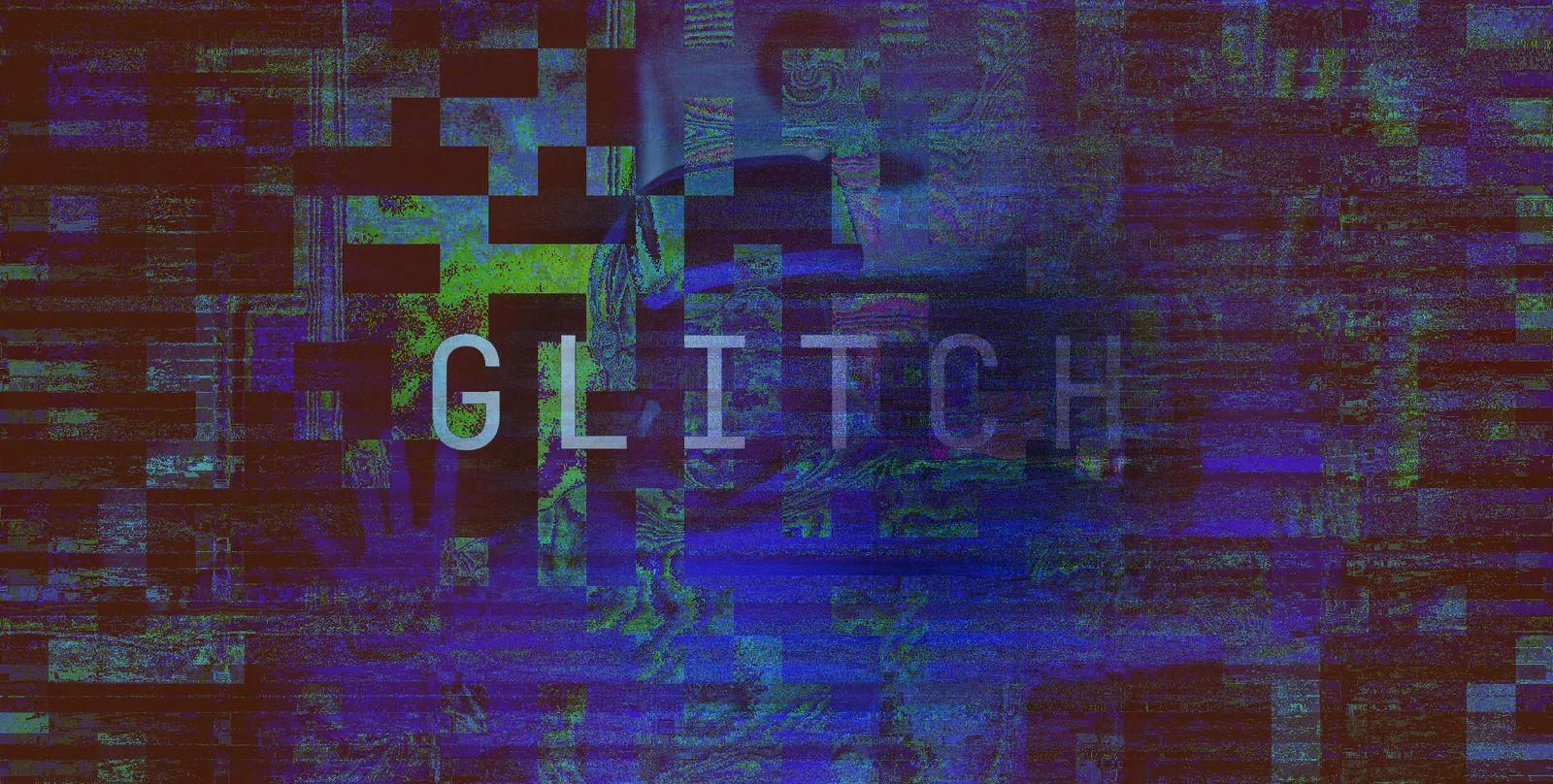
Image as Audio is the "ran it through Audacity" look, done honestly. It flattens the image row-major into a one-dimensional stream and runs audio filters across it — echo, amplify with overflow-wrap, reverse, fade. The overflow-wrap is the part that tears colour: push the gain past the ceiling and the values wrap, exactly as a clipping waveform would. It's databending by treating pixels as samples.
Physical break
Melt is an honest smear on a single still: iterative backward advection on feedback buffers — seed, advect along a flow field with colour-bleed and decay, render. It's internal iteration, not cross-frame datamosh, so one image melts on its own terms. Depth Shatter breaks the frame into depth-based shards, displacing the layer by an amplified, noisy depth gradient — stack it after a mark effect like ASCII and it scatters the marks, while chroma splits the channels and edge-focus concentrates the break on the depth discontinuities.
Stack them, then roll the dice
None of these is a one-shot filter. They're layers: put Chromatic Ab. under a Pixel Sort under a Databend, set blend modes, mask where each one bites, and the order changes everything. The runs on this page came from the app's own Random — full generator pointed at the Glitch family — every image is a different seed, the whole stack applied at once, rendered in real time on the GPU.
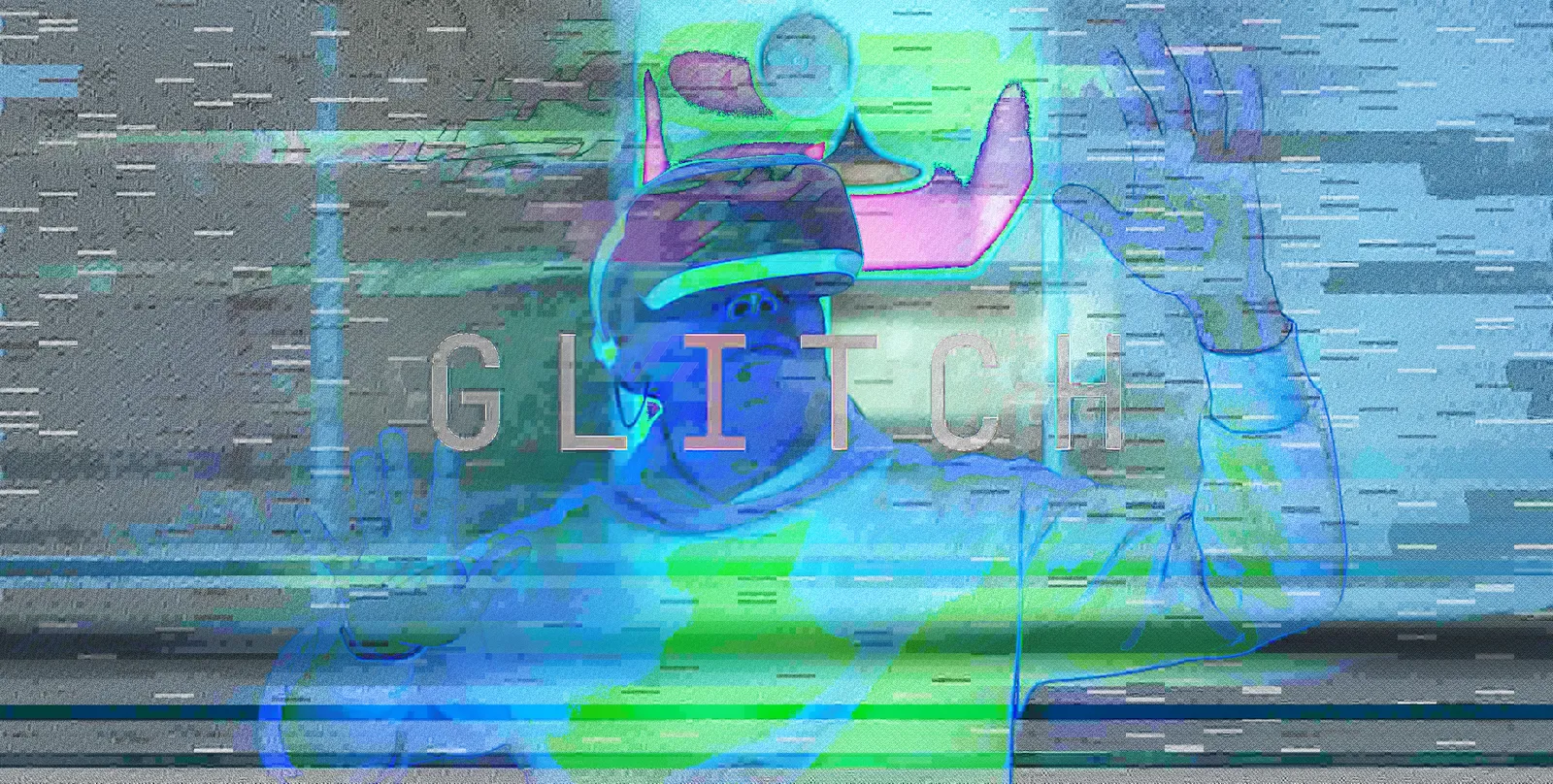
That's the difference from a filter pack. There's no fixed "glitch" here — there are a dozen real algorithms, every parameter open, running live in a browser tab on your own hardware. No plugins, no account, no watermark. Bring an image and break it properly.
Roll after roll
Every frame below is that one photograph, rolled again — the same Random — full pass over the Glitch family, a different seed each time. Landscape runs first, then the portrait crop a phone would actually see. Same source, a different failure every roll; click any one to see it full size.
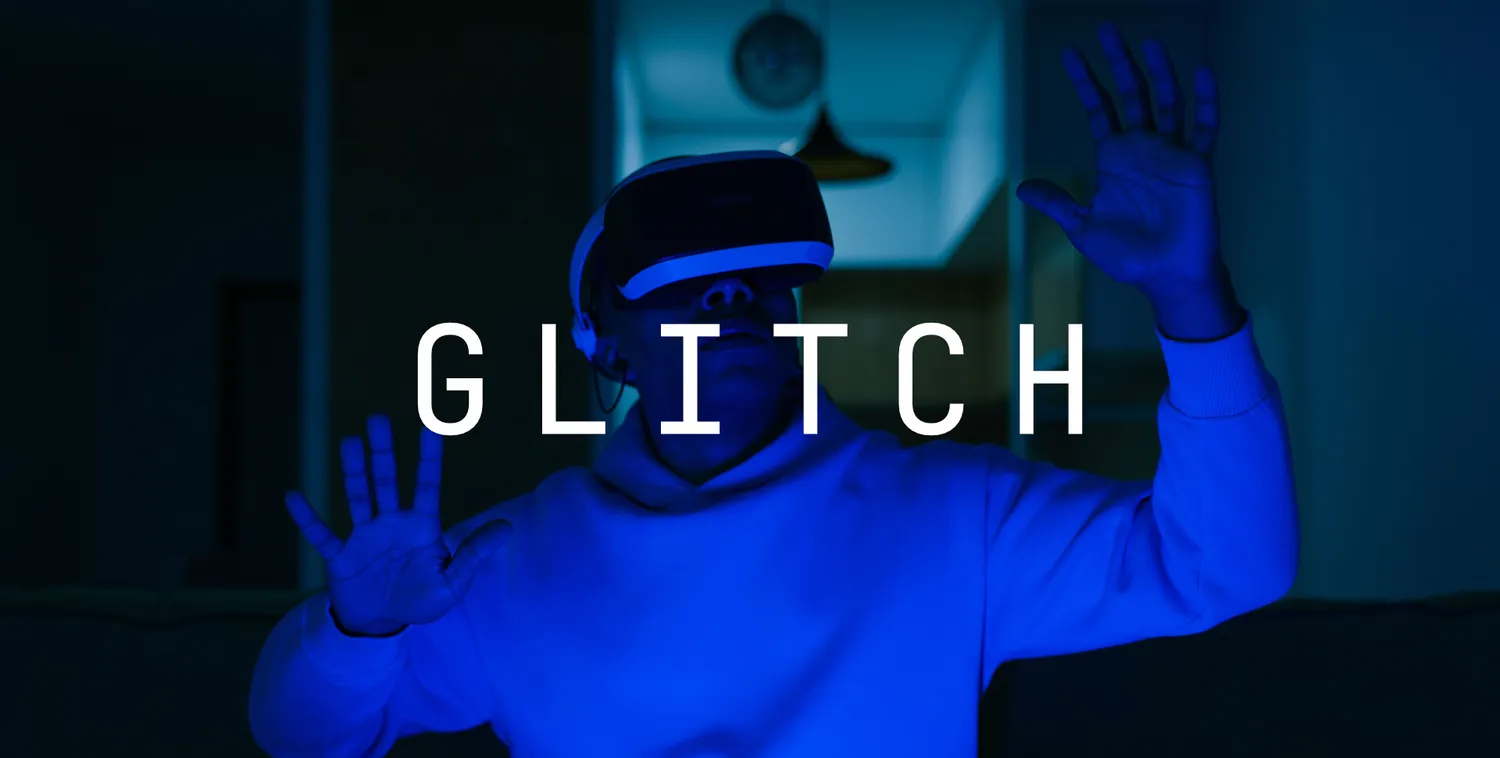
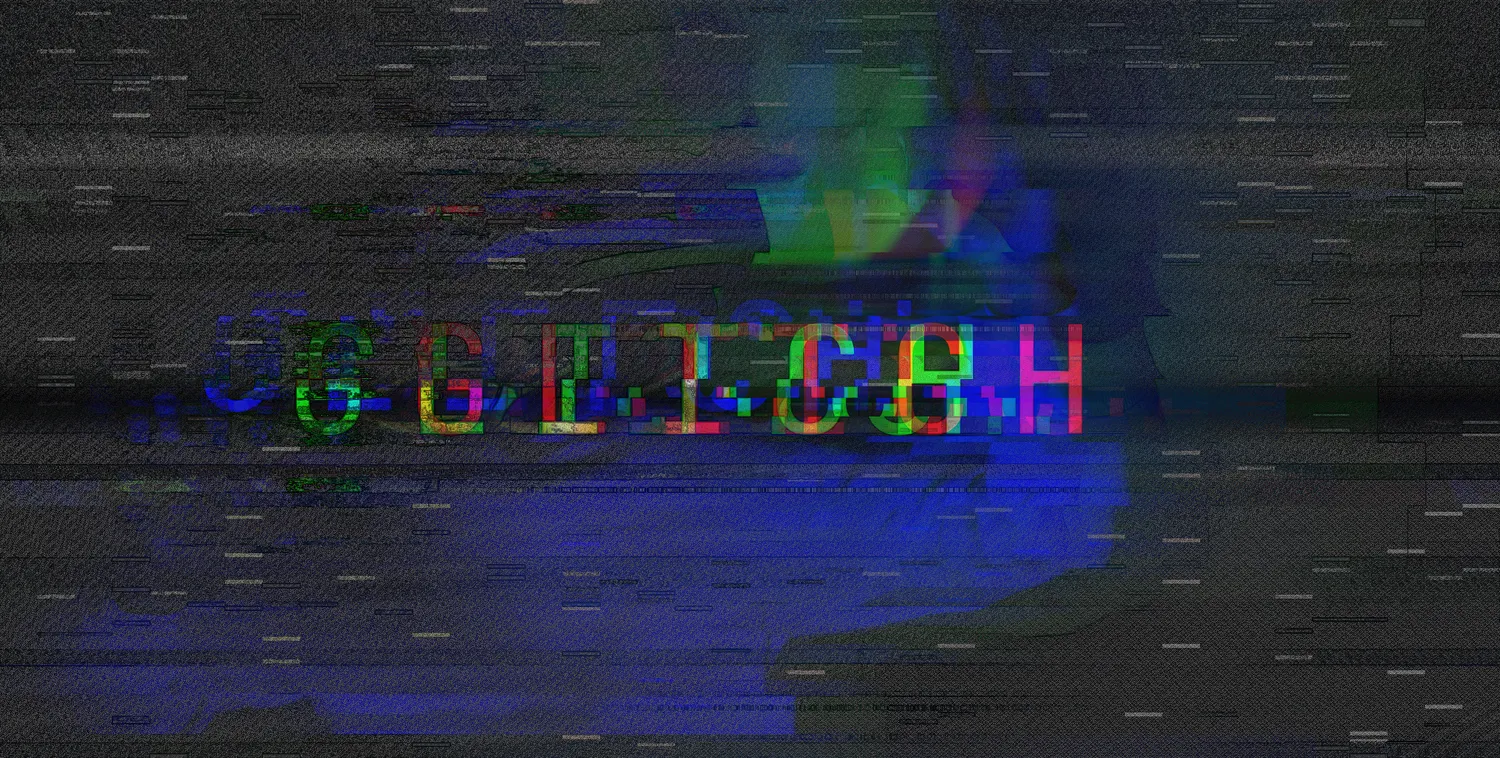
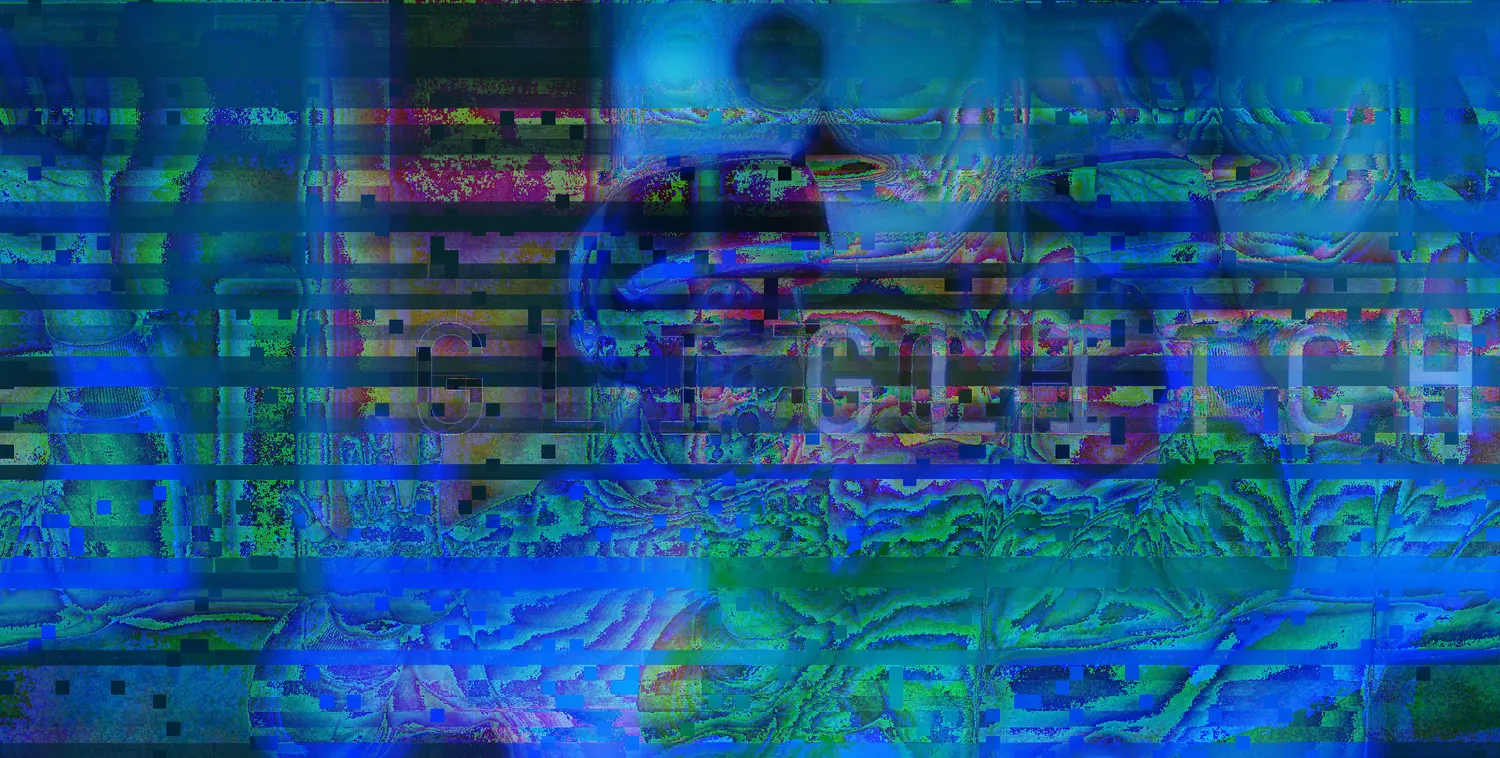
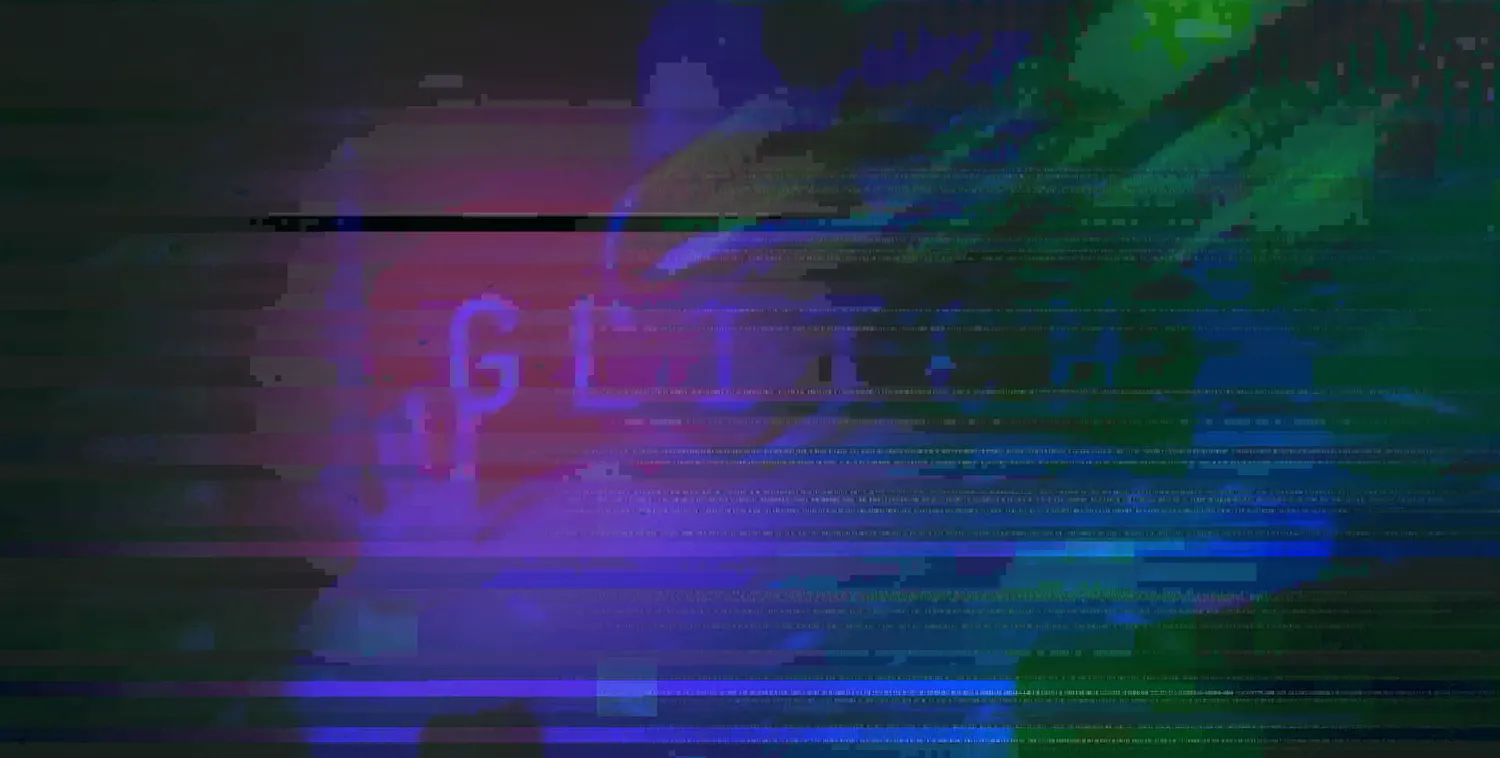
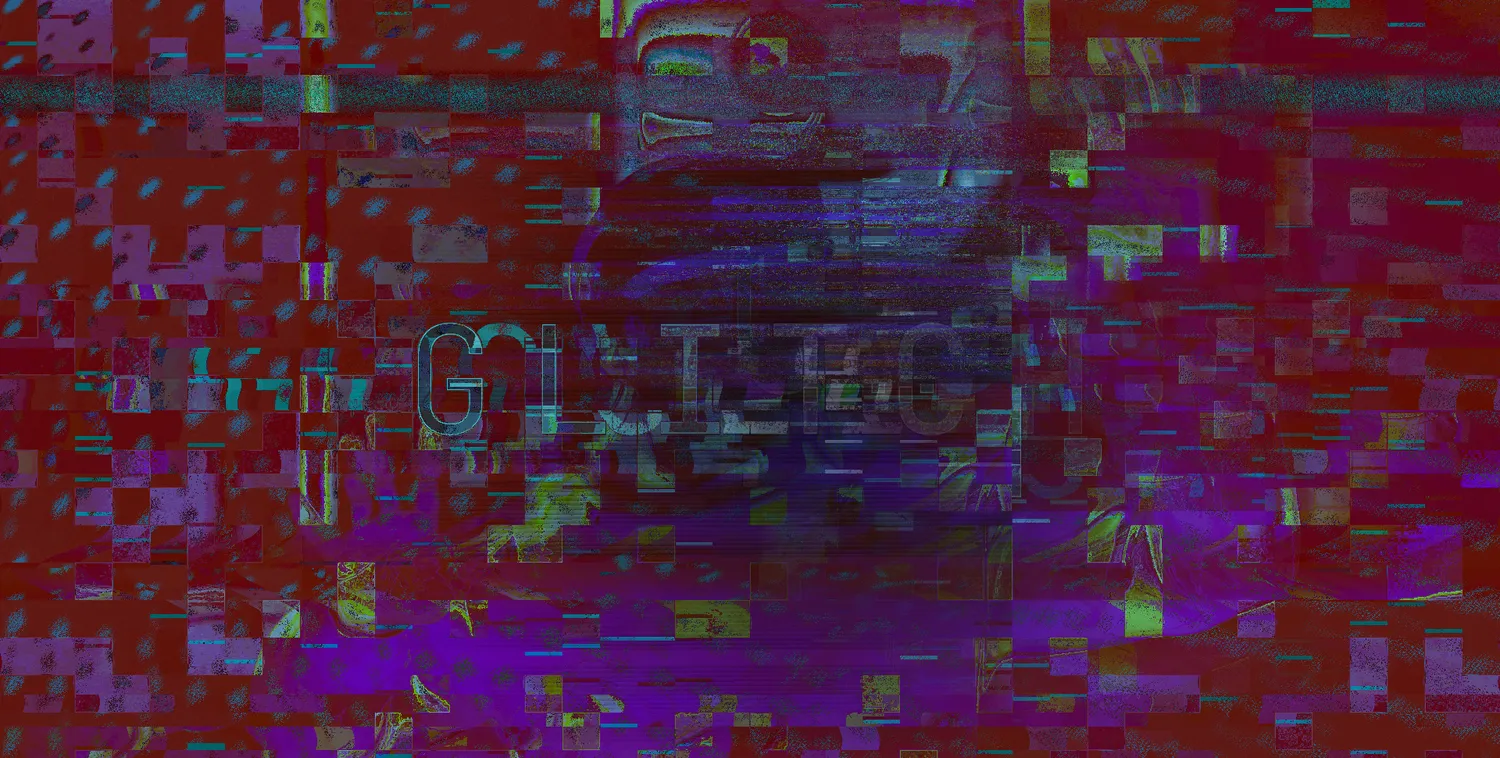
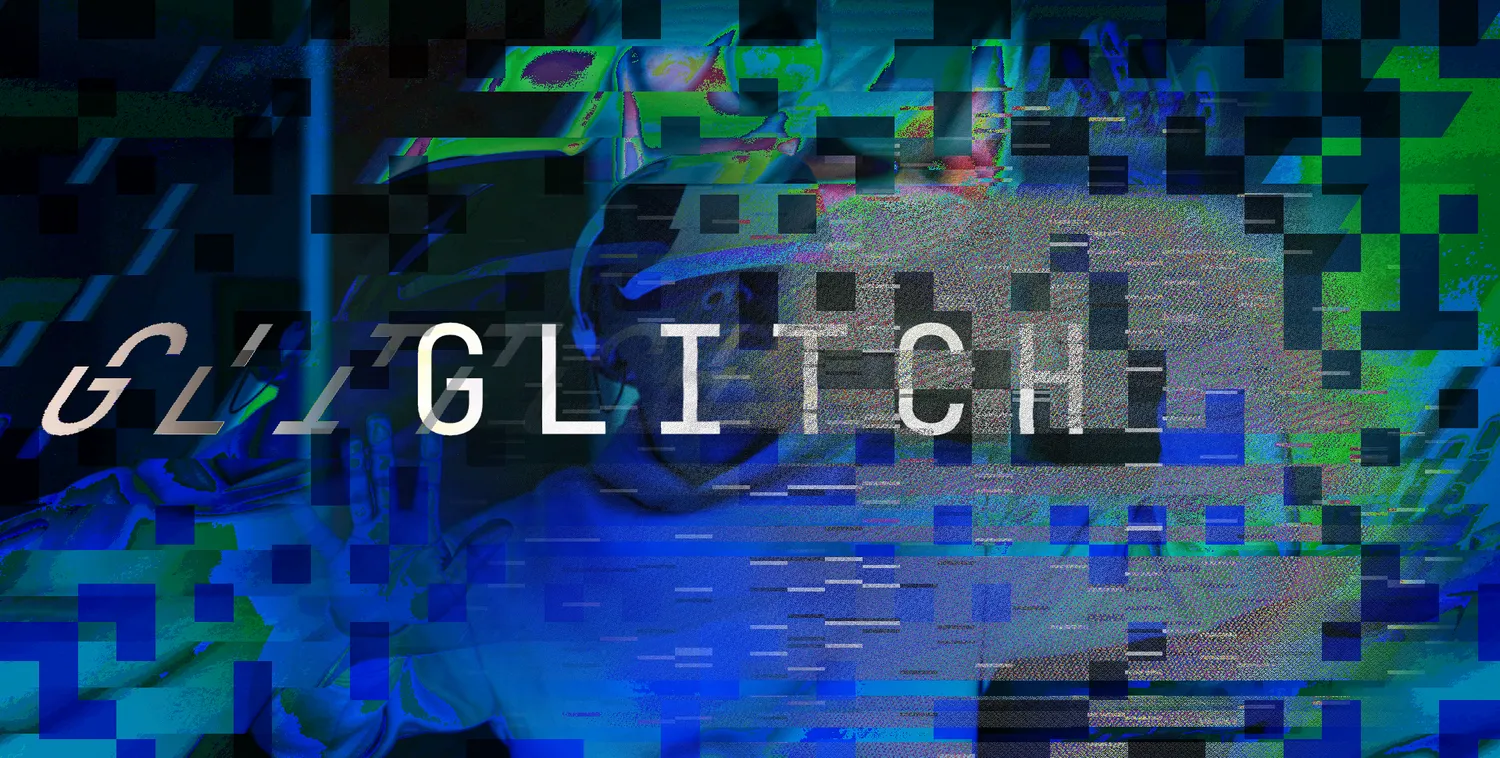
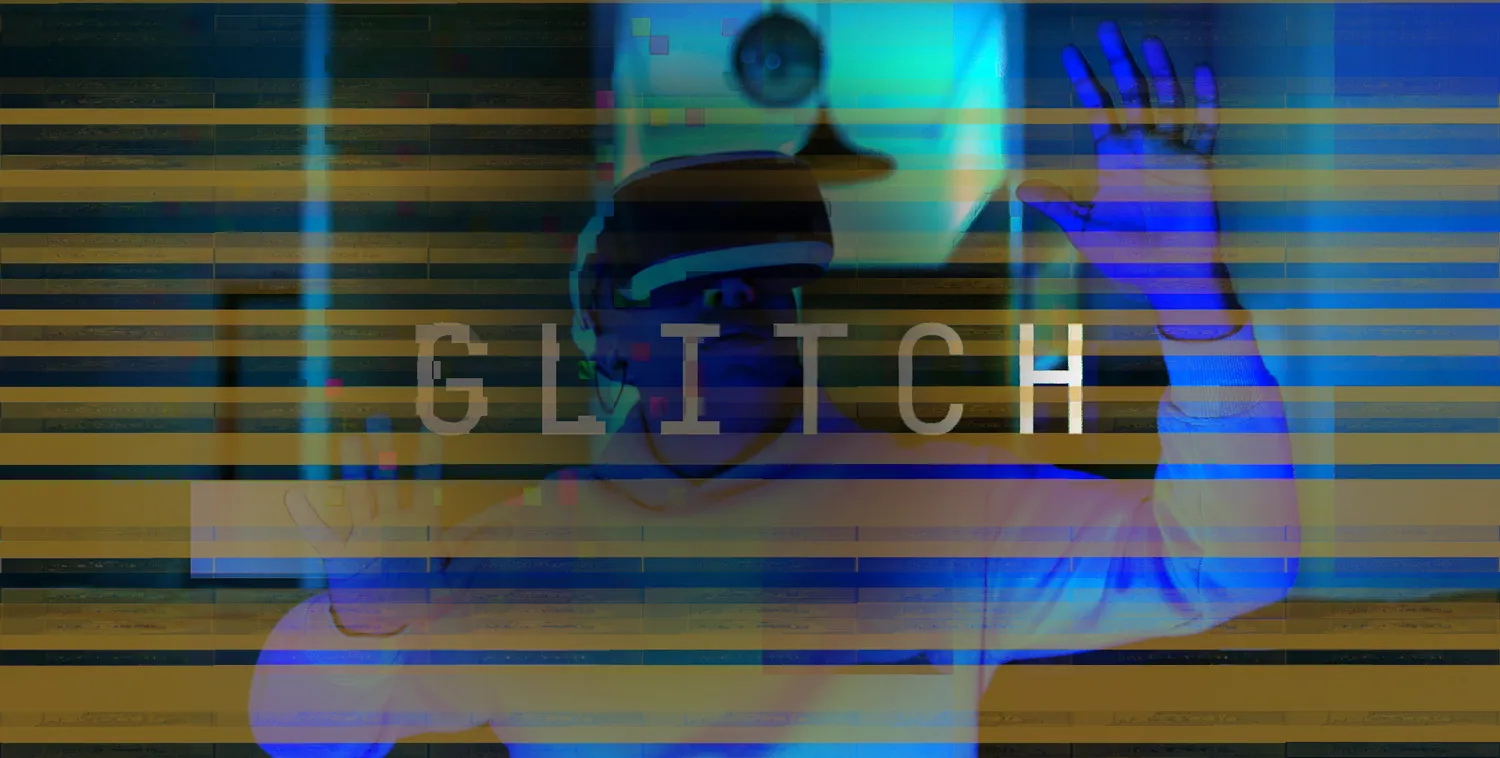
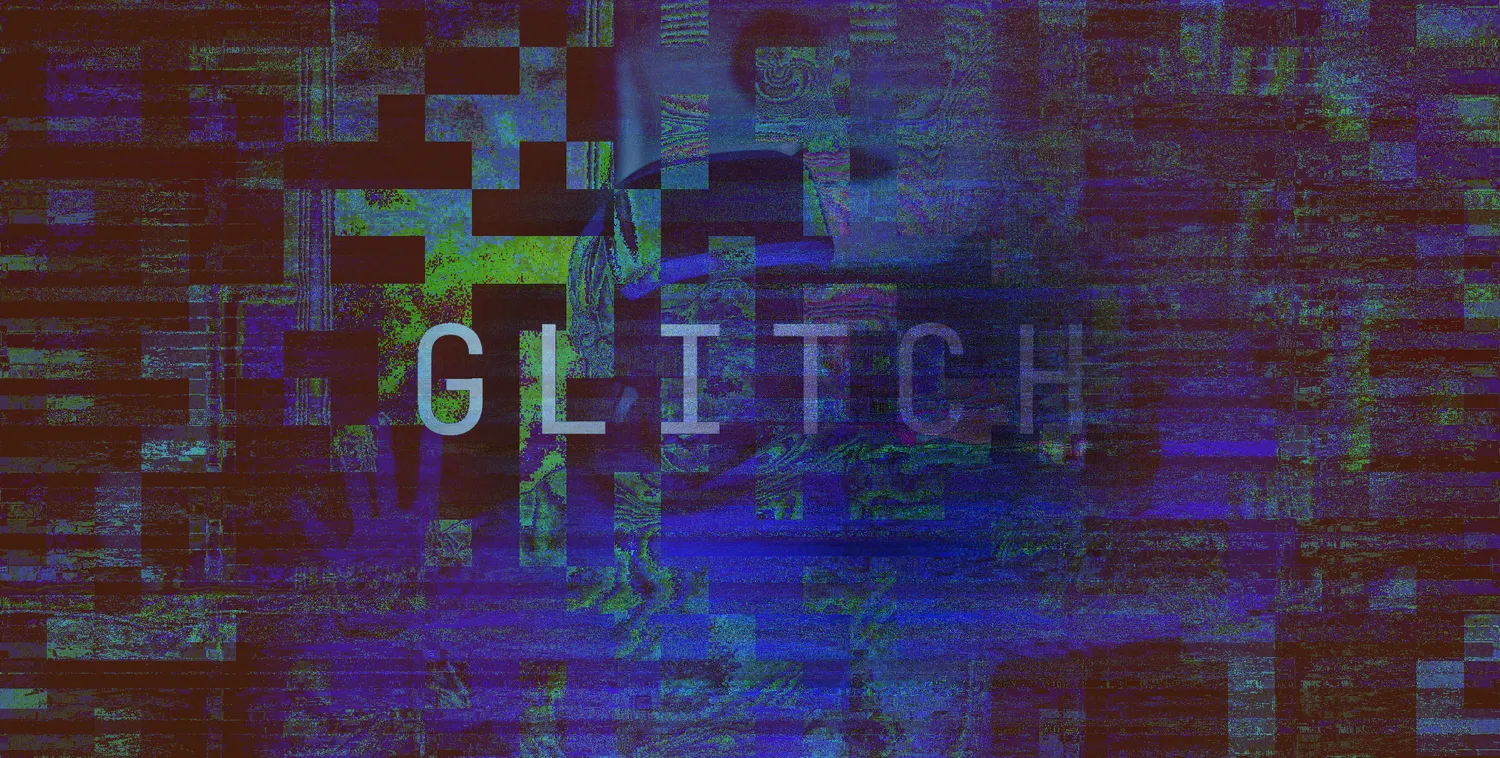
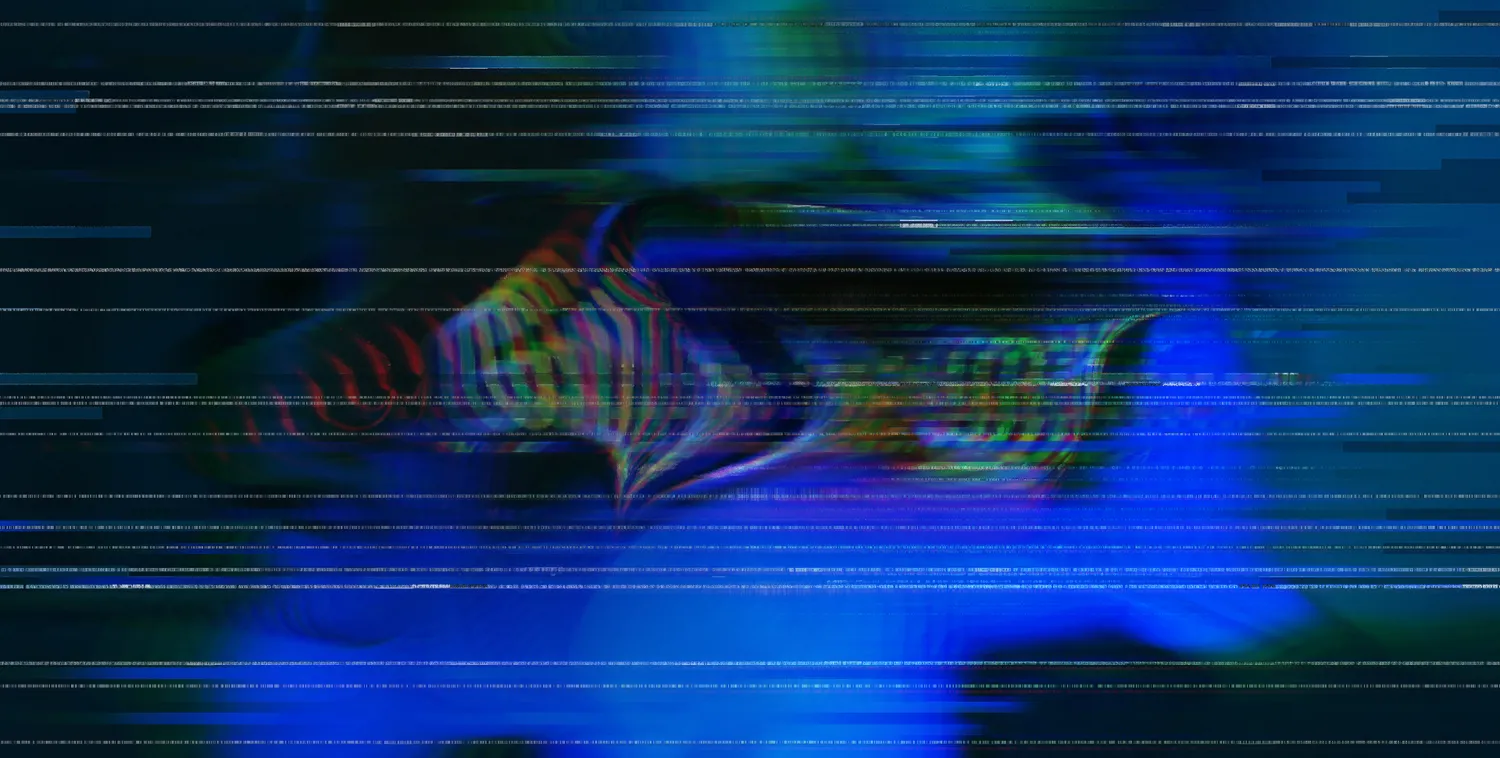
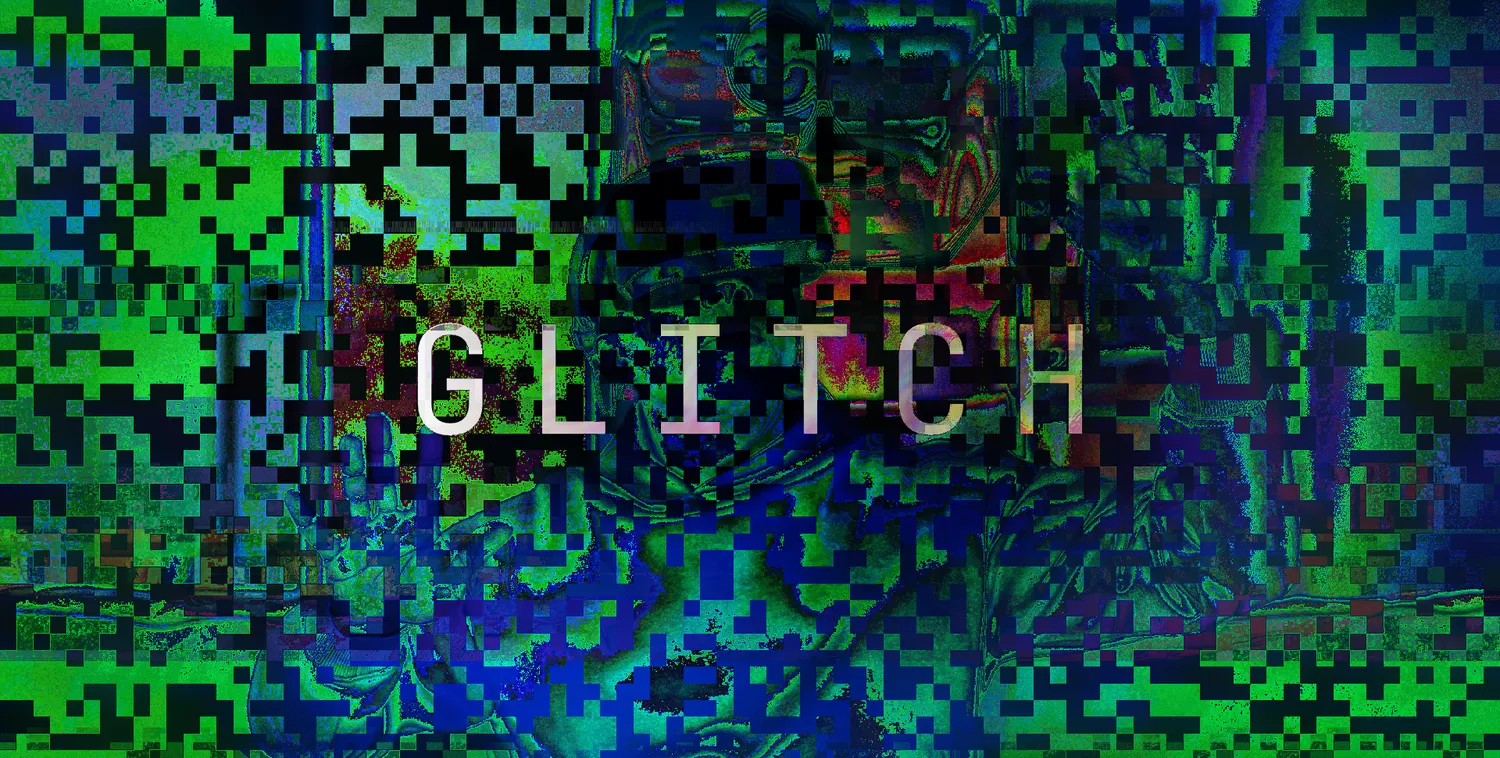
One frame rolls almost clean, the next tears itself apart — same family, same source, different dice.
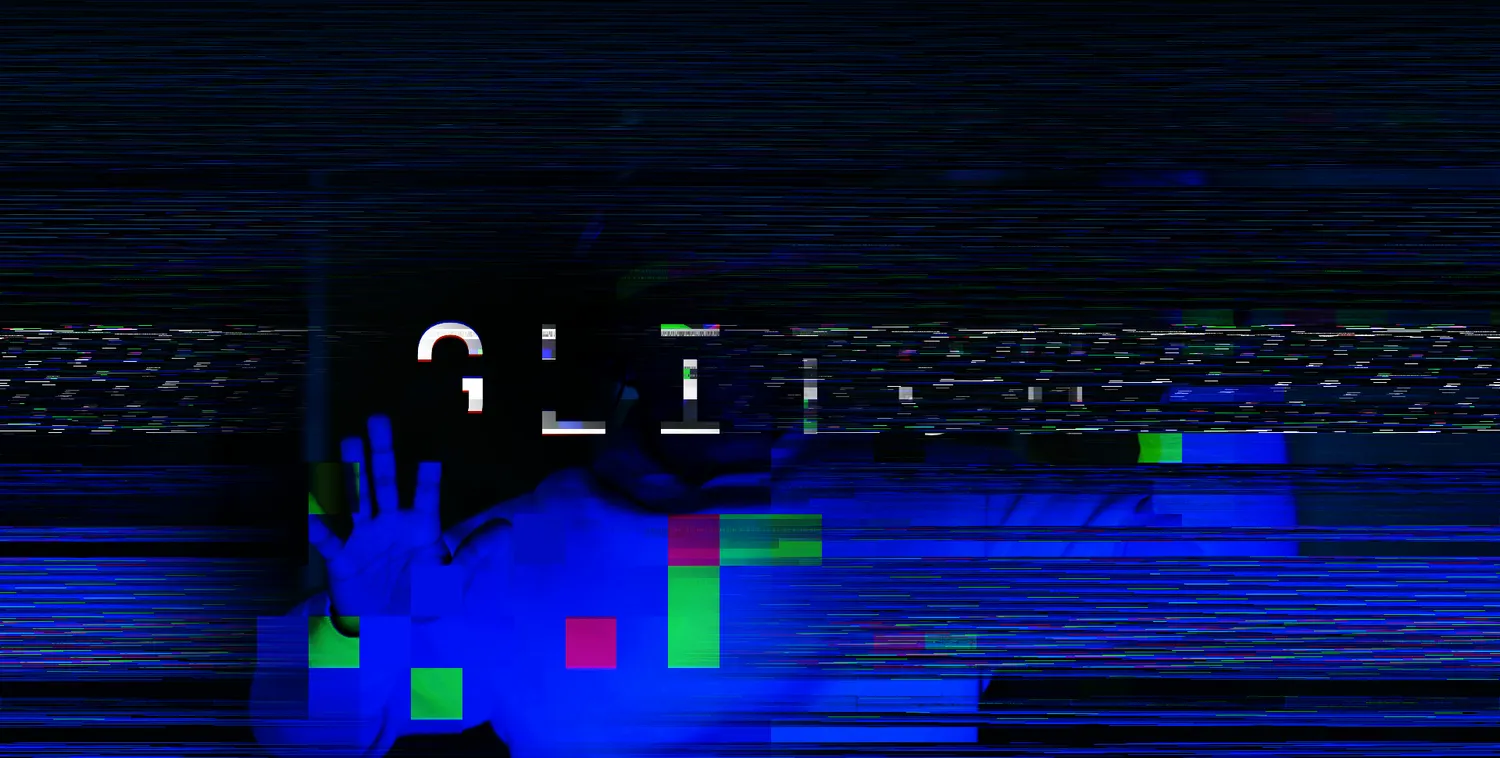
Now the portrait crop — the frame the phone actually sees — put through the same family.