What a saved look actually saves
One six-effect stack, saved once and run four times over the same file. Two of the four came back as nearly the same drawing in a different colour. The other two came back unrecognisable.
Save a look in V3KTR and you save a stack: which effects are loaded, in which order, with which parameters. What you do not save is the picture. Run the same look again over the same file and a different picture comes back, because a good deal of what these effects do is decided fresh each time rather than stored alongside the stack.
That is easy to assert and hard to show, because it needs the same stack run several times over the same file with nothing else changed. Which happened by accident, and the metadata noticed before anyone did.
One stack, run four times
Four exports carry an identical six-layer stack in identical layer order:
Chromatic Ab. → Half-Block → Databend → Edges → Lenia → Display
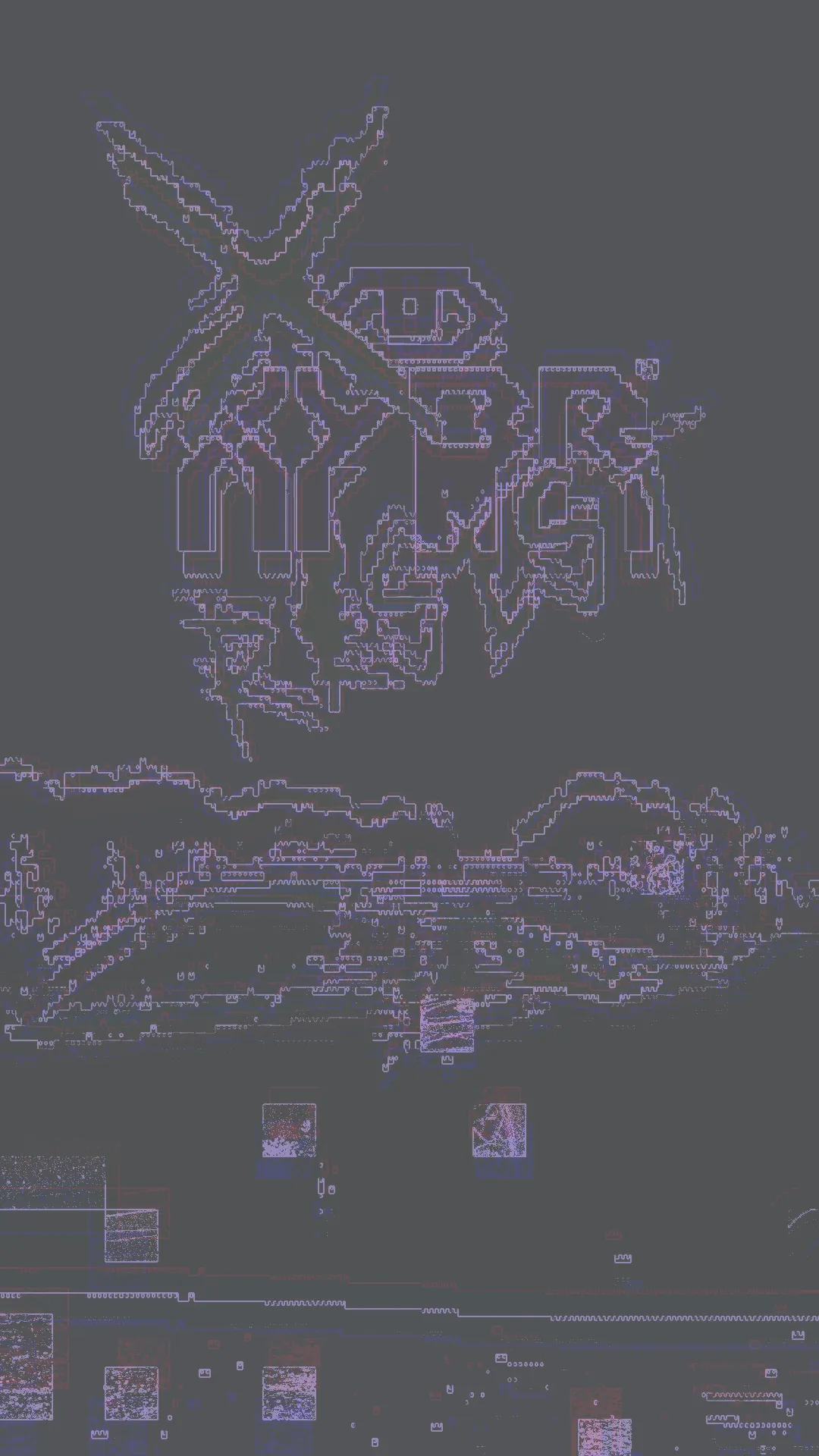
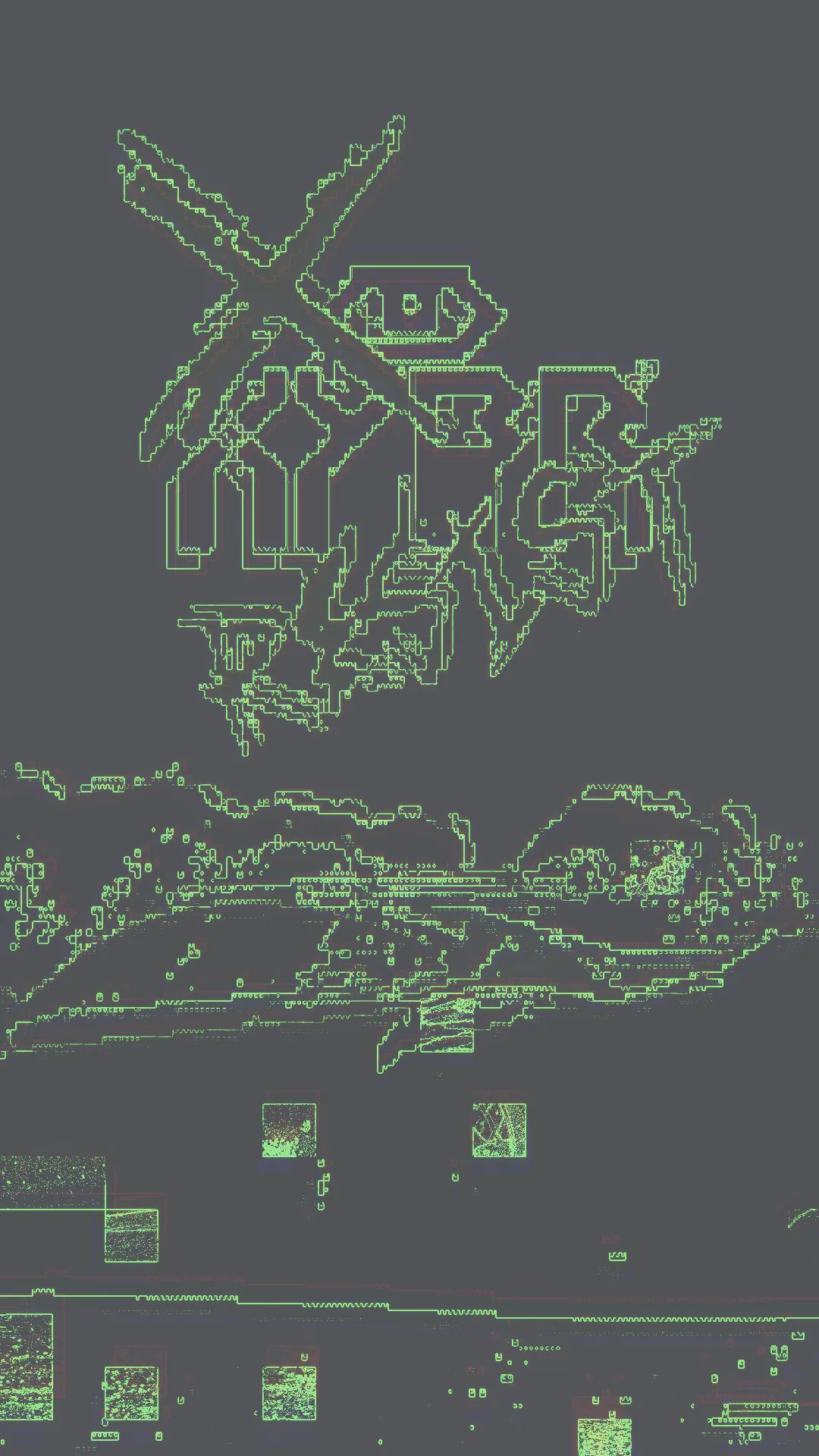
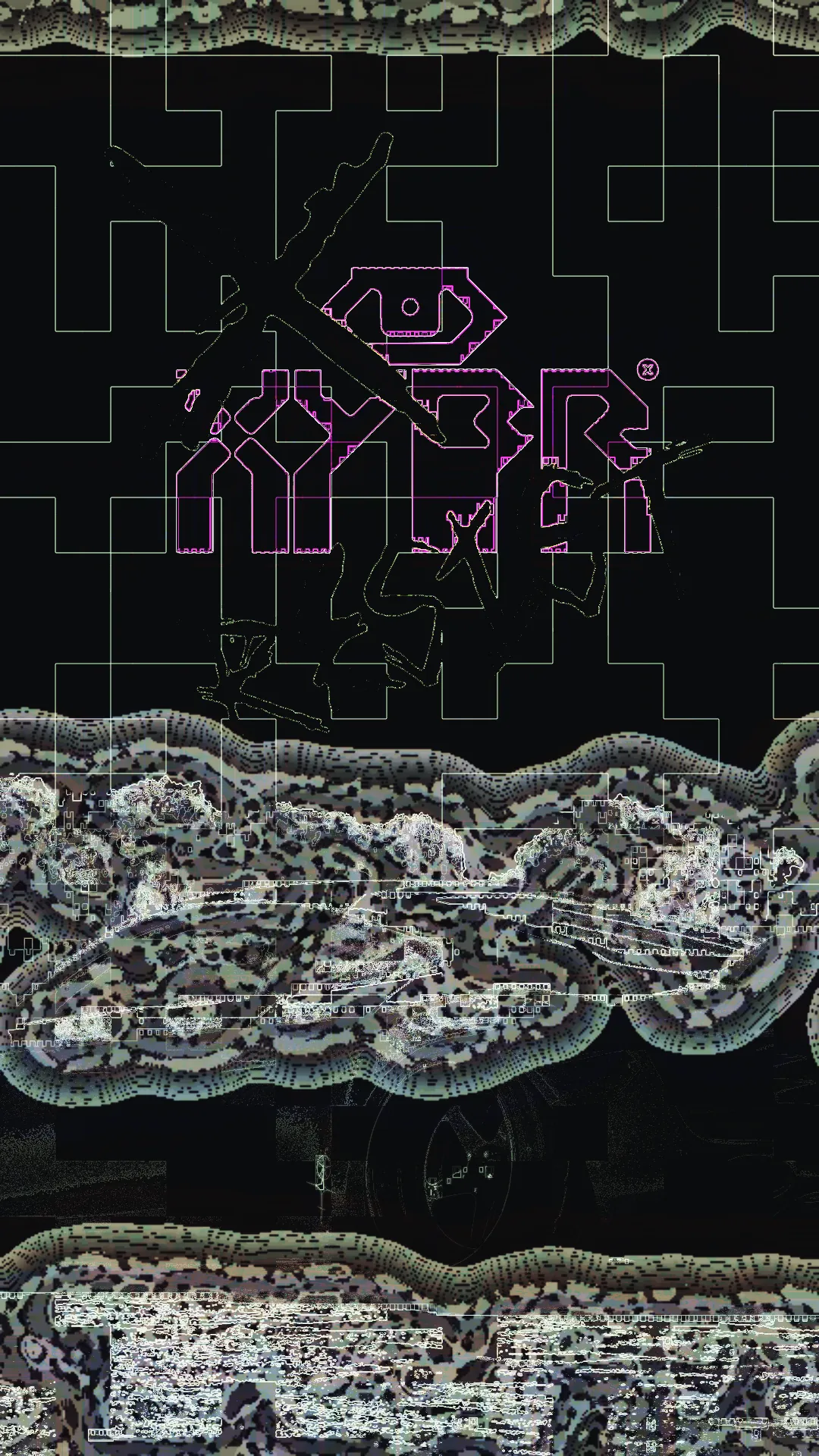
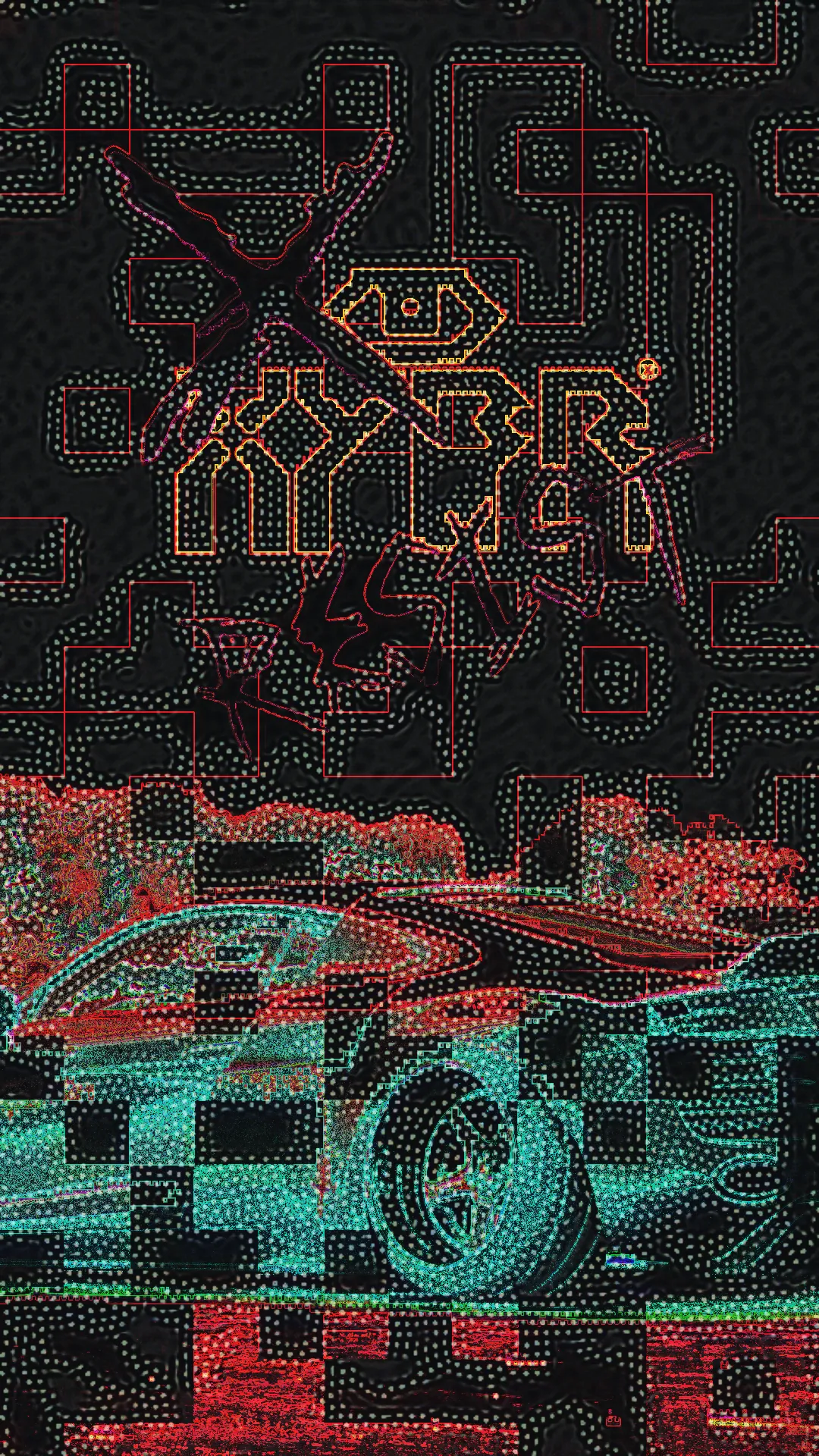
Same six effects, same order, same source file - the XYBR RESVLT wordmark composited over a 3D car render. Four runs.
Two of them are the same drawing
The interesting part is that the four do not scatter evenly.
Runs one and two are, structurally, nearly the same image. The same lines survive in the same places; the mark and the car are drawn out to the same level of erasure; the grey ground sits at the same value. What actually changed between them is the hue - lilac becomes lime, and that is close to the whole of it.
Runs three and four share nothing with that pair and nothing much with each other. One puts a fine violet outline on black and drags two bands of chewed noise across the frame. The other stops drawing lines at all and starts dotting, in red and orange up top and red and teal below, with the car returning as blocks.
Measured rather than eyeballed - edge-structure correlation between every pair:
- run 1 vs run 2 - +0.42
- run 2 vs run 3 - +0.15
- run 1 vs run 3 - +0.14
- run 3 vs run 4 - +0.10
- run 1 vs run 4 - +0.08
One pair sits three to five times above everything else, and their average colours are almost identical too. So the honest version of "a look is not a picture" is narrower than it first looks: a look does not fix the outcome, but it does not spray uniformly either. It has a shape. Some of the space it covers is a near-repeat and some of it is somewhere you would never have asked for.
That is the argument for running a look more than once before deciding you do not like it.
Same six effects, different order
There is a fifth export with the same six effect names on it. It is not a fifth run.
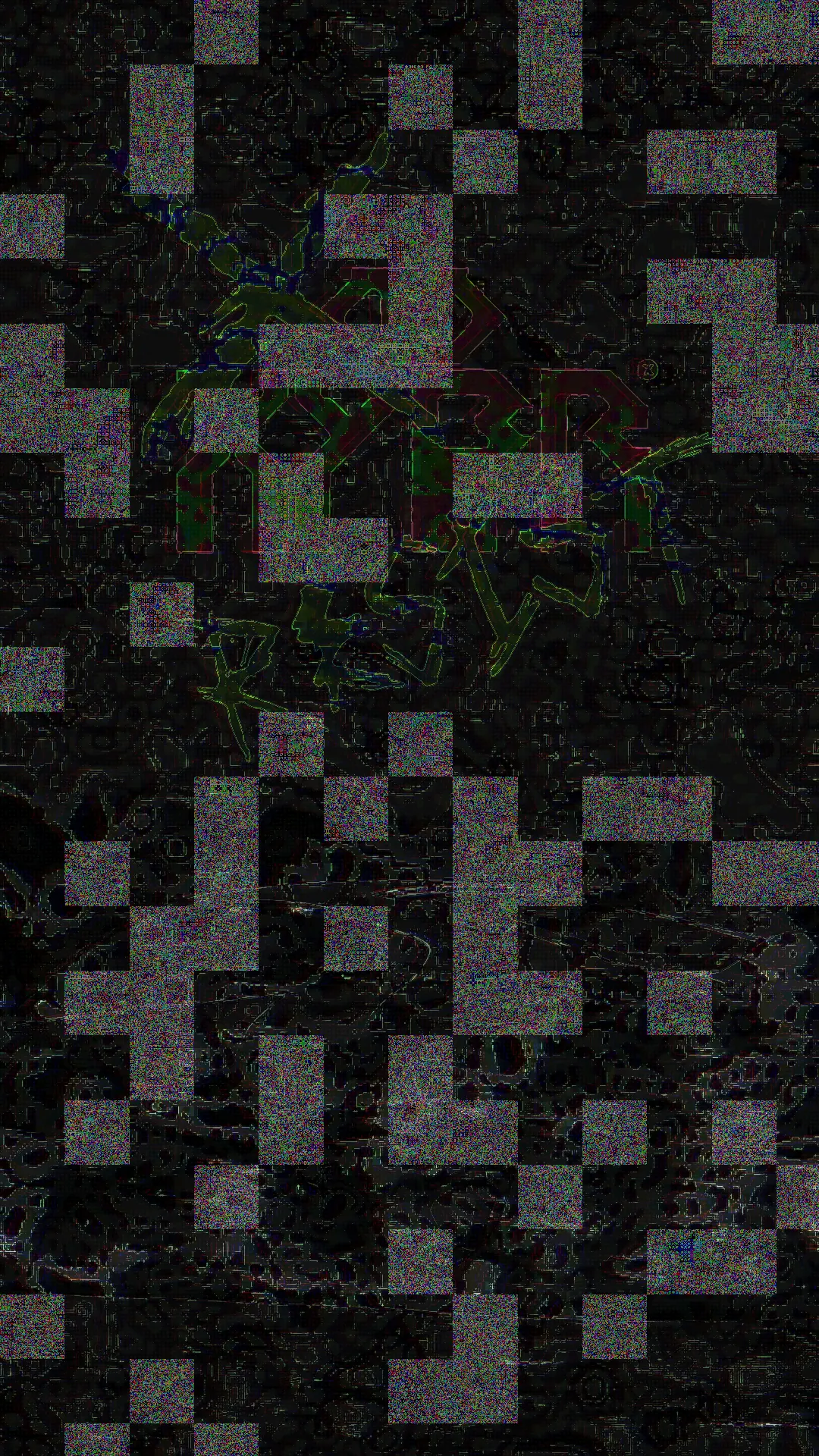
The order is different: Lenia → Edges → Chromatic Ab. → Display → Half-Block → Databend. The same six effects, rearranged, and the output is nothing like any of the four - a dense checkerboard of grey noise where the mark is barely present at all. The moving version of it is at the foot of this page.
Worth stating plainly, because it is the thing that is easy to get wrong when you are reading your own exports back: two files listing the same effects are not the same look. The list is a set; the stack is a sequence. Only the sequence tells you what will happen. Lenia running last on top of edge detection is a different instrument from Lenia running first on the image.
Seven other looks off the same file
Everything below is the same source image again - same wordmark, same car render, no re-composition between any of them.
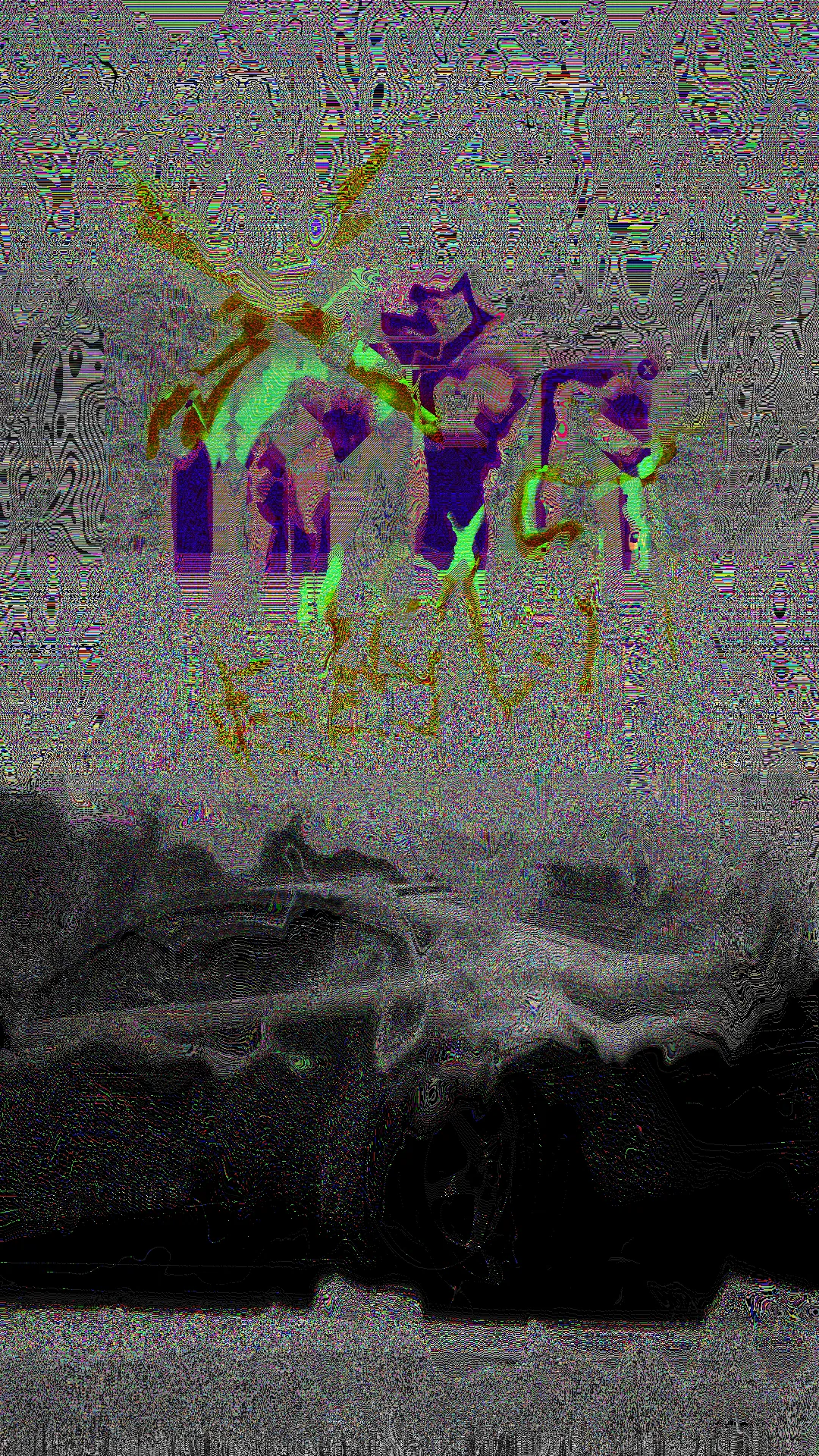
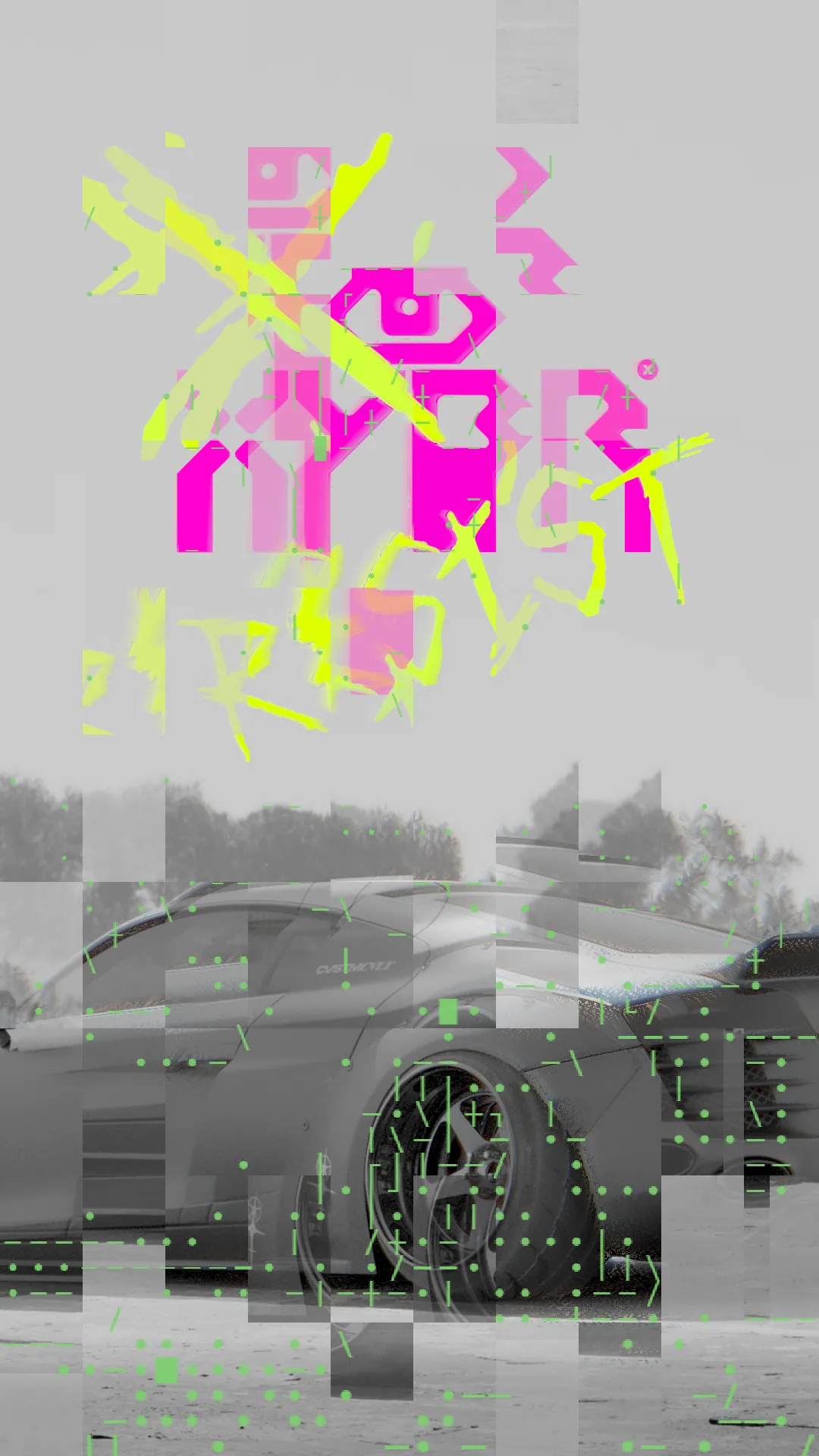
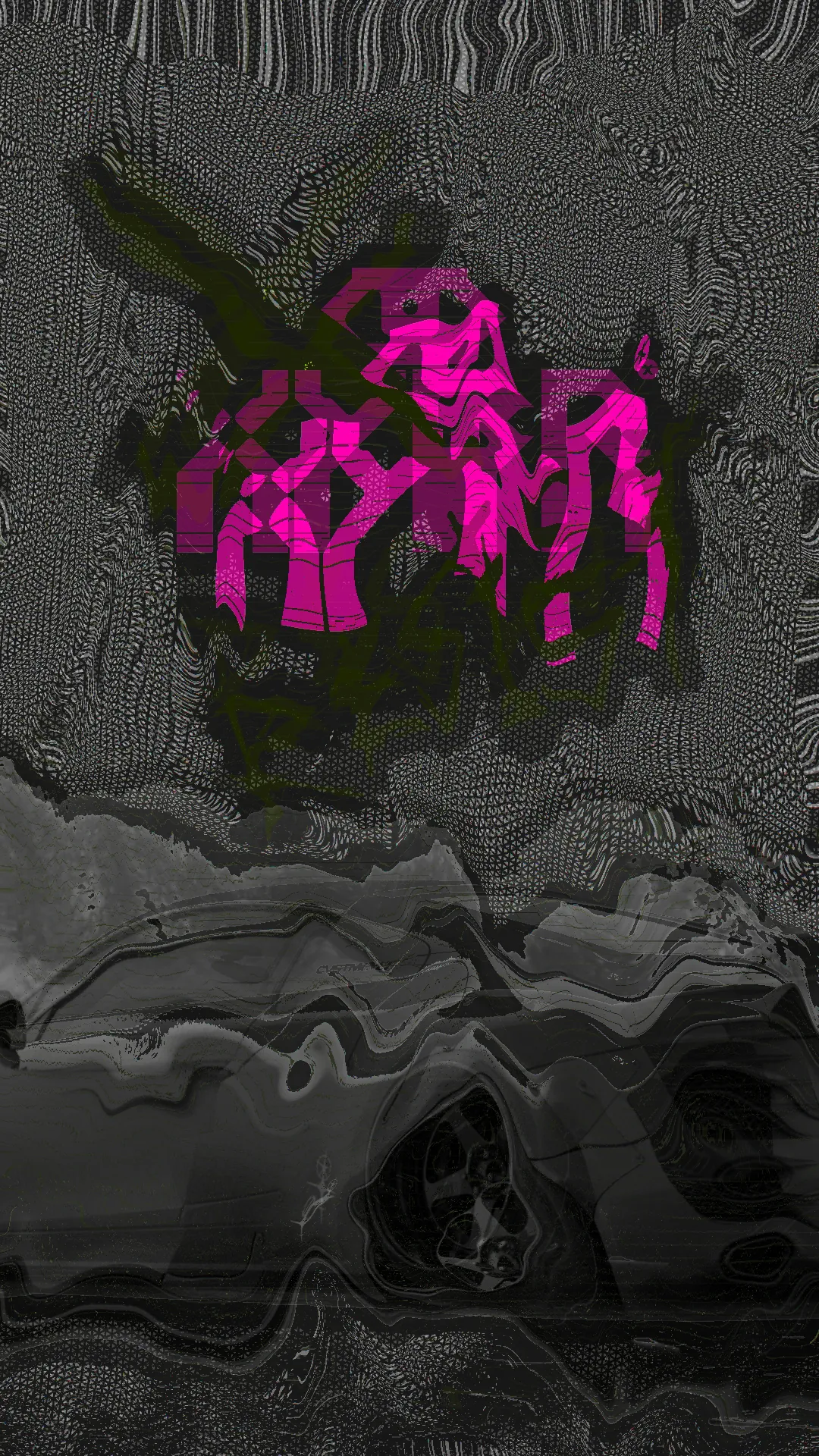
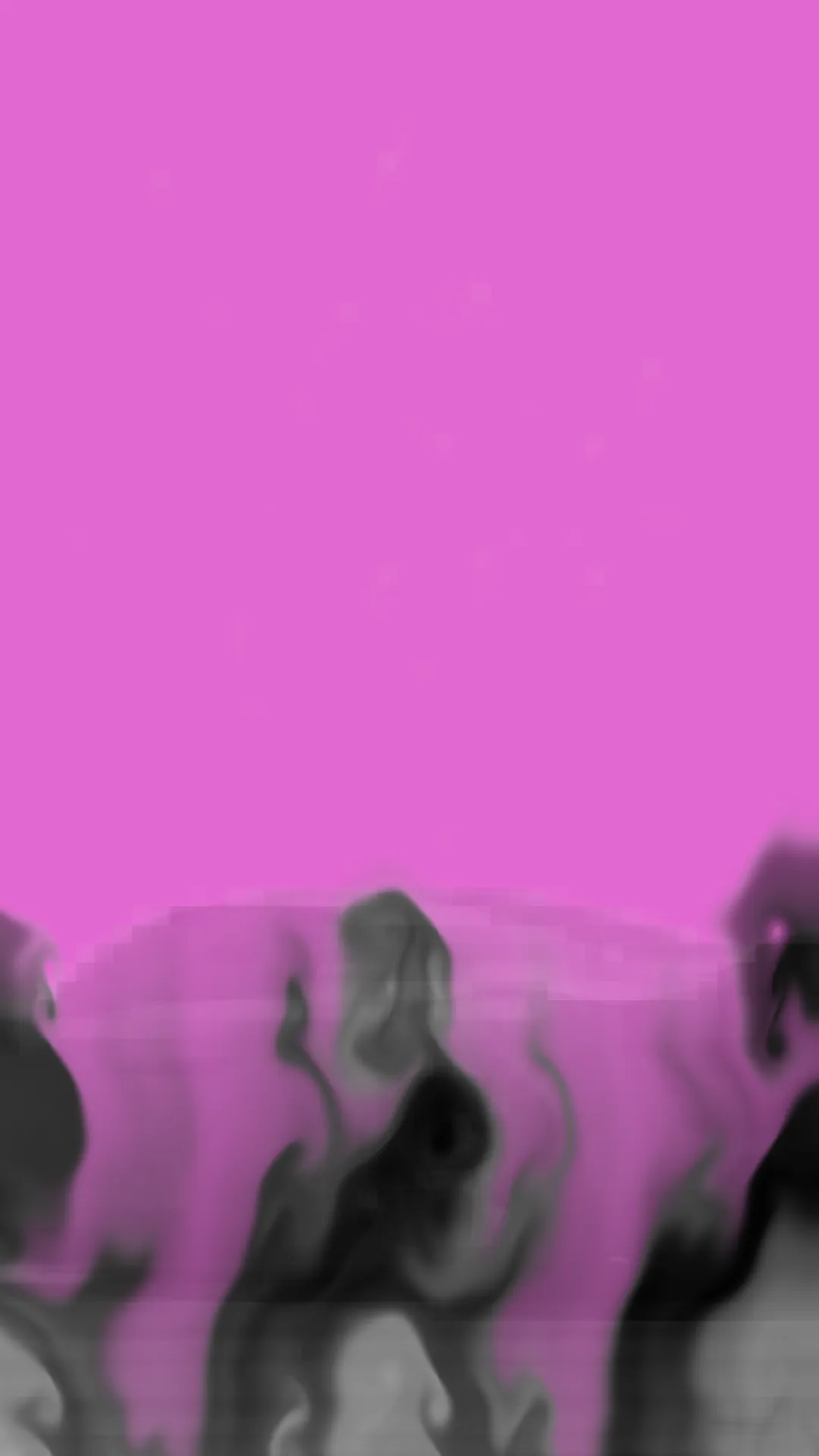
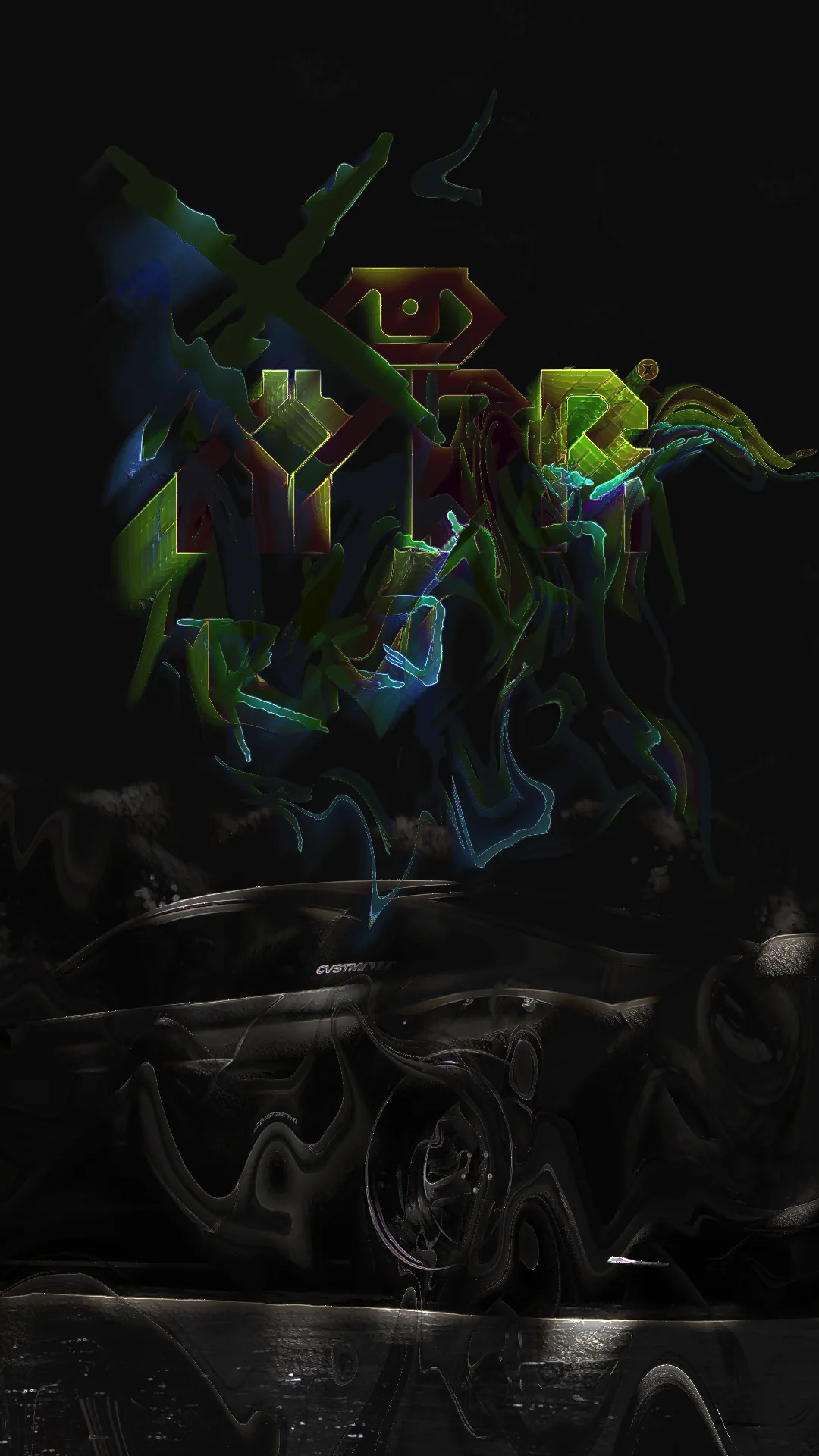
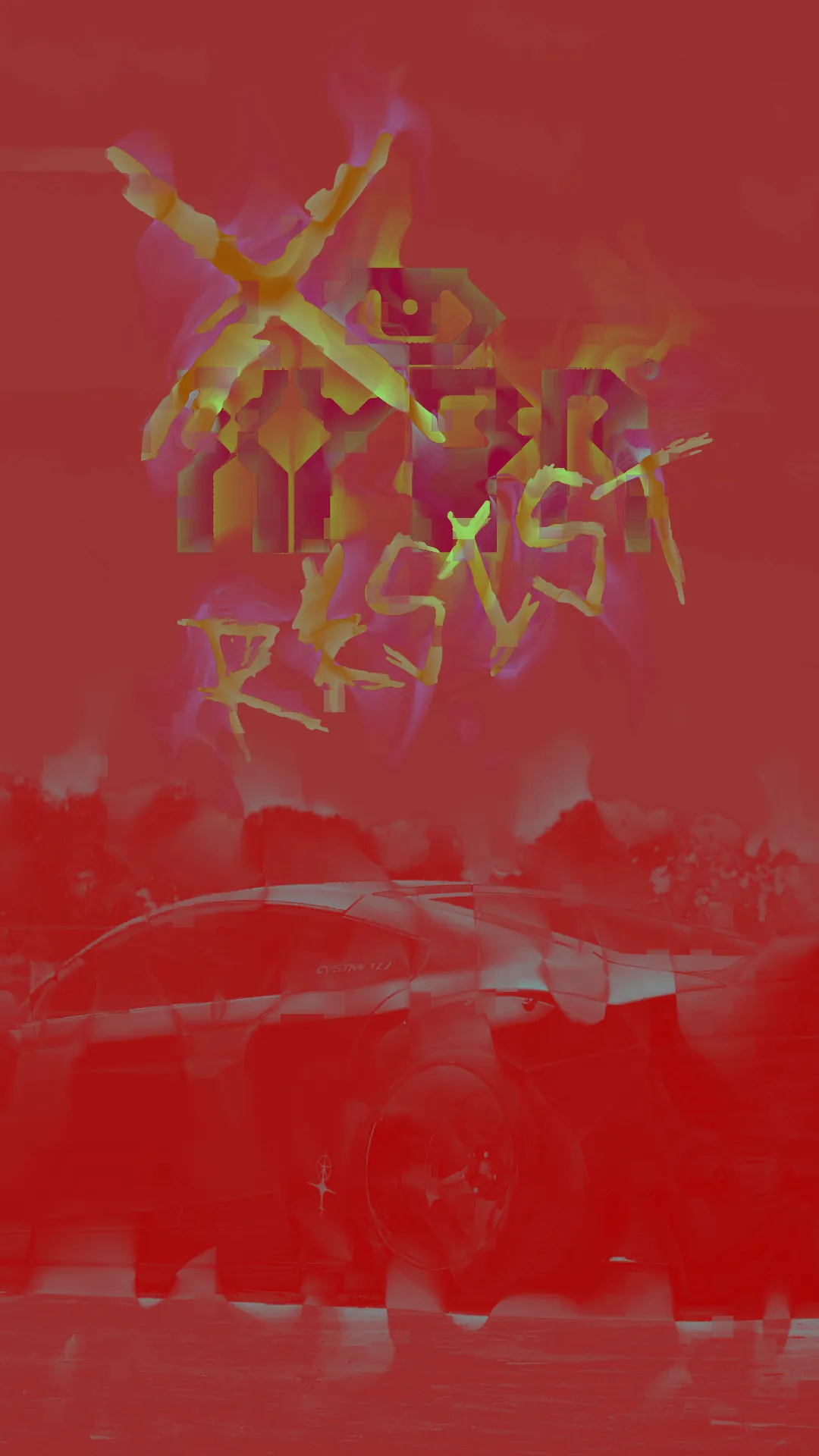
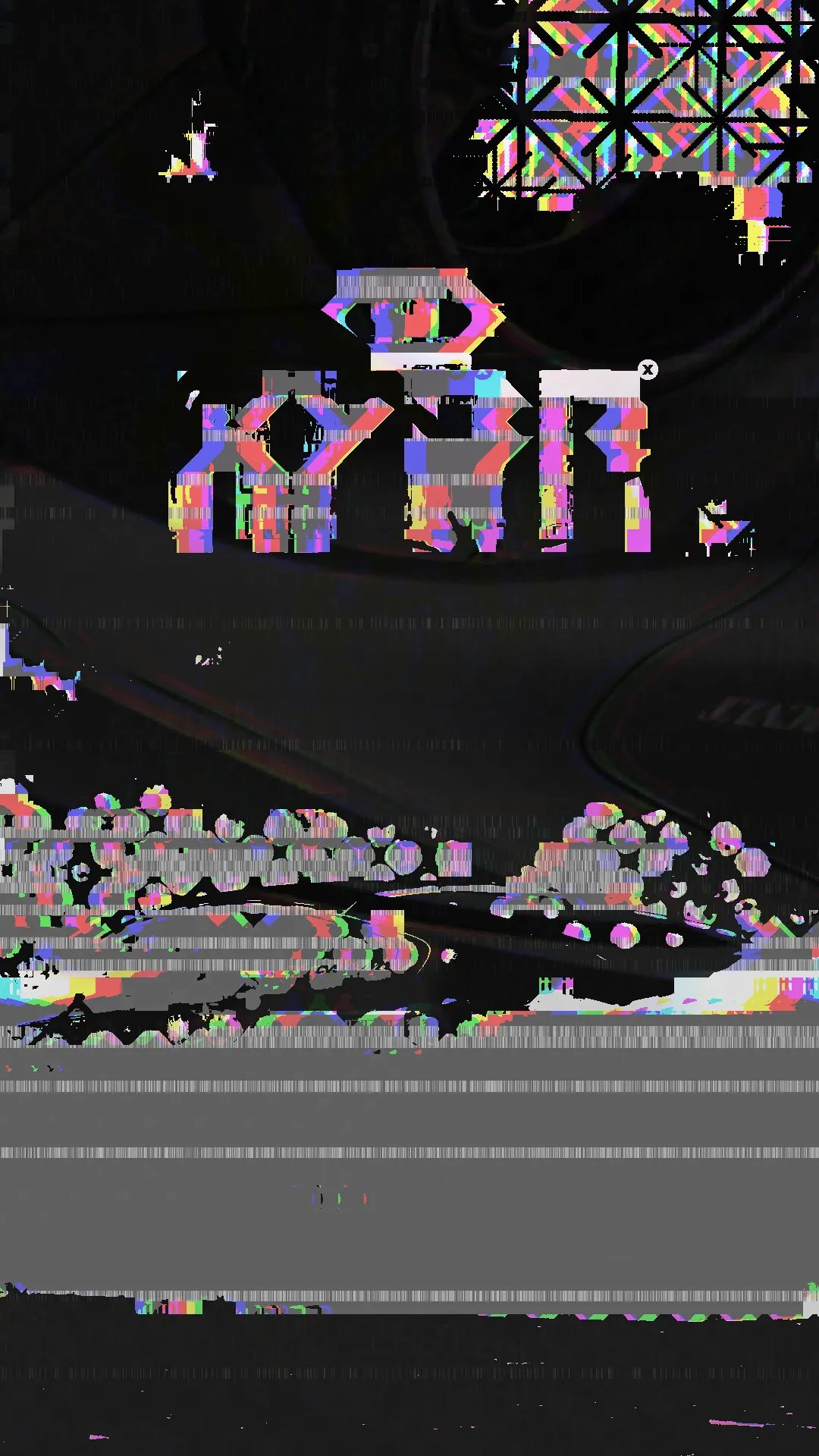
The third of those - Slicer, Scan Processor, Domain Warp, three effects and no more - is the one that got picked out of the set by eye. It is also the shortest stack on the page. Depth of stack and quality of result are not the same axis.
The fourth stopped being a car altogether: Depth Slice, Pixelate and Liquid together left a flat magenta field with black smoke rising through it. Nothing in the input suggested that was available.
What to do with this
Two practical things.
Save the look, then run it again. The stack is the reusable part. If the first result is close but not right, the cheapest next move is not to start adjusting parameters - it is to run the same look once more and see where else it lands. Four runs here produced one near-duplicate pair and two results nobody would have designed.
Move a layer before you add one. A six-effect stack has a lot of orders in it, and the reordered version above is not a variation on the other four - it is a different piece. When a look is nearly working, reordering it is a bigger lever than another effect on top.