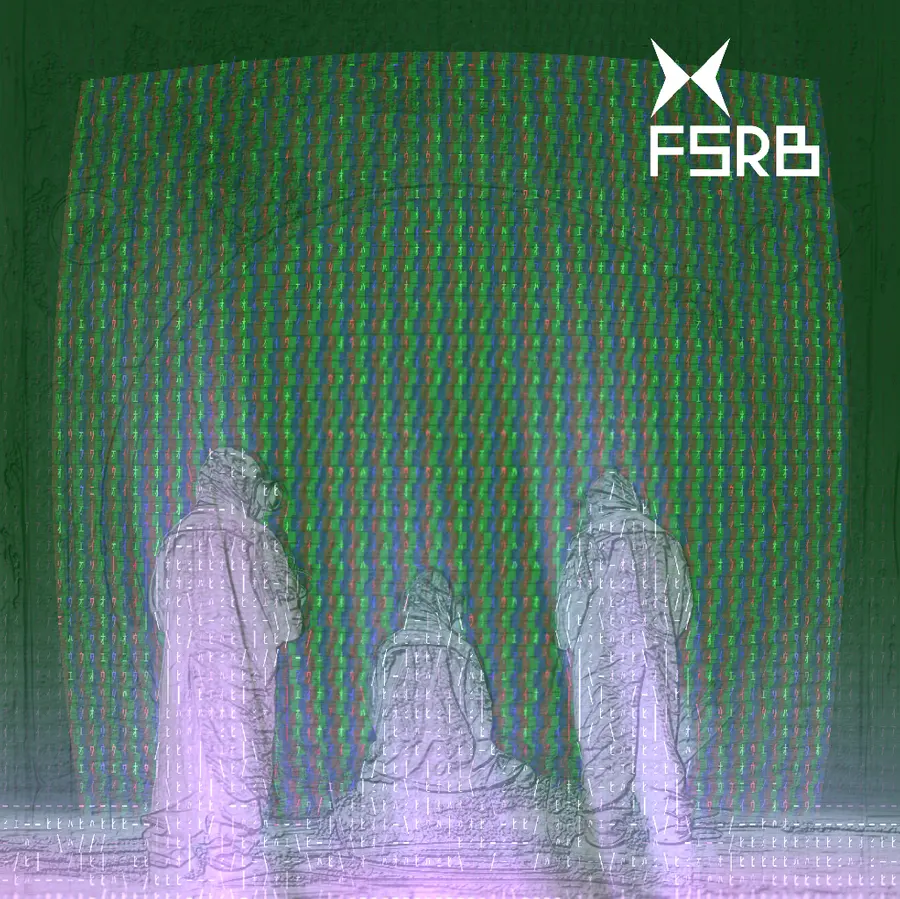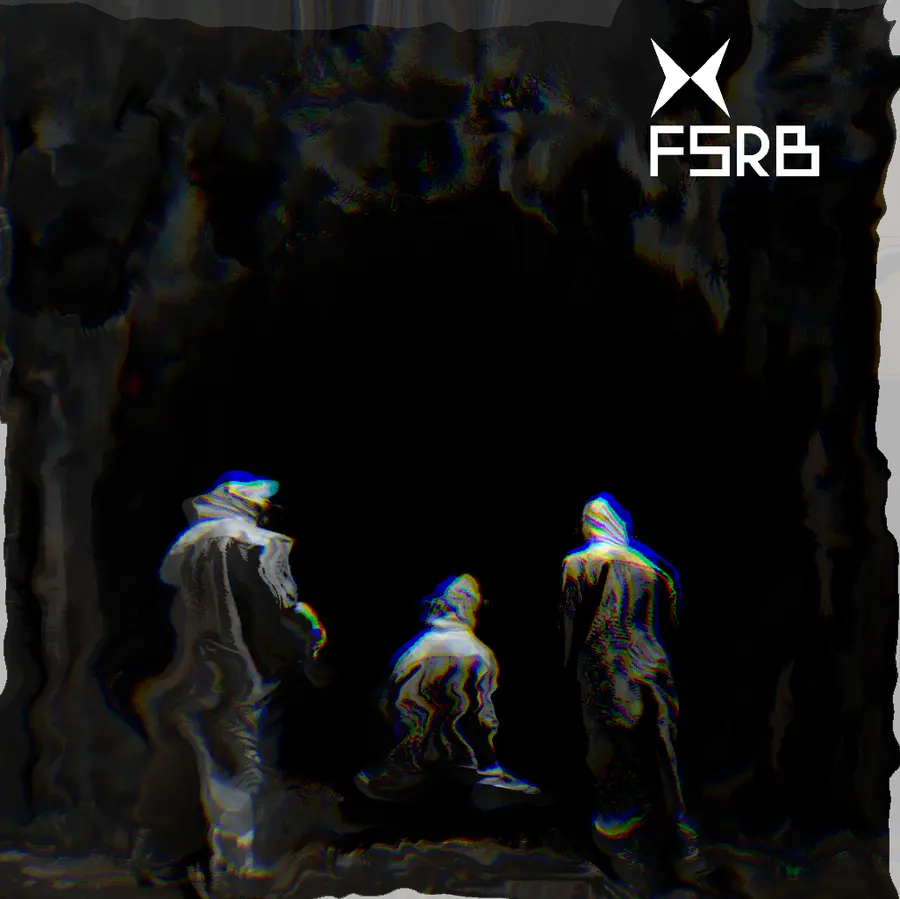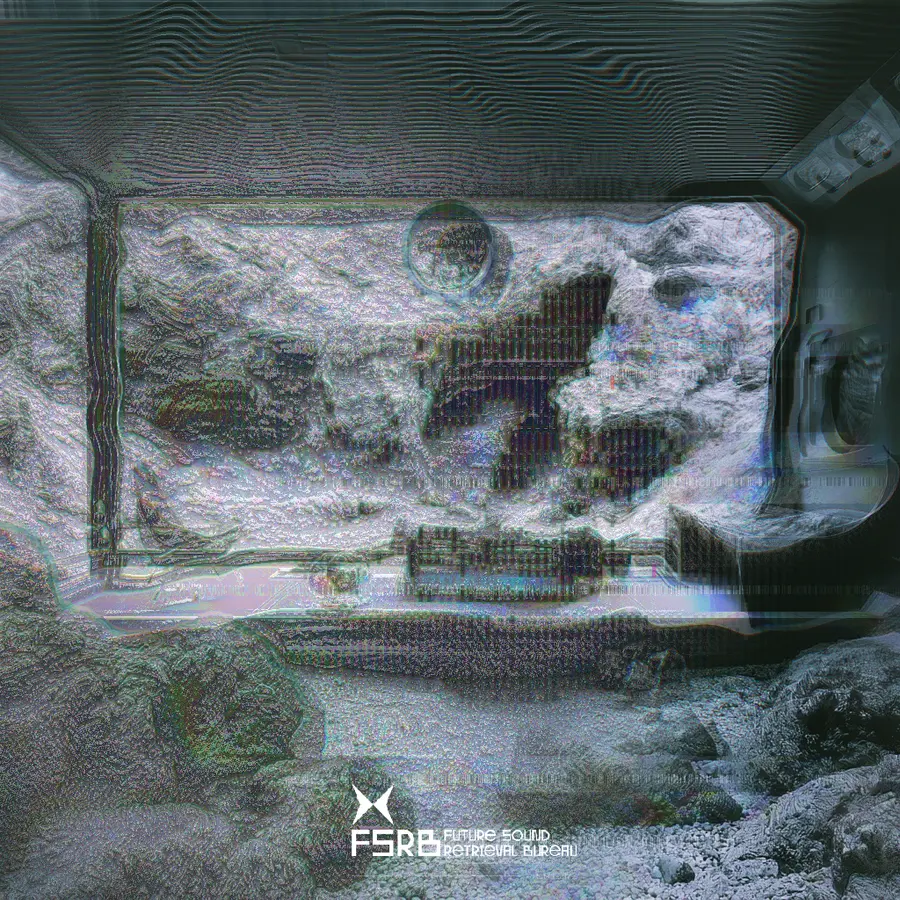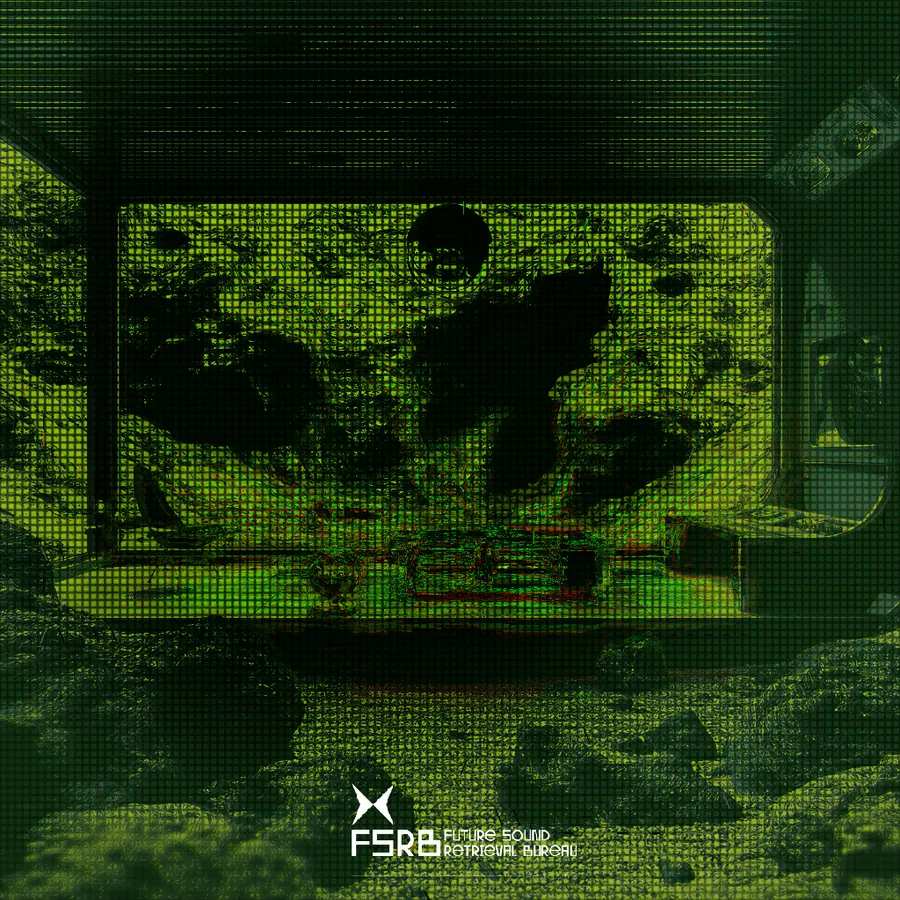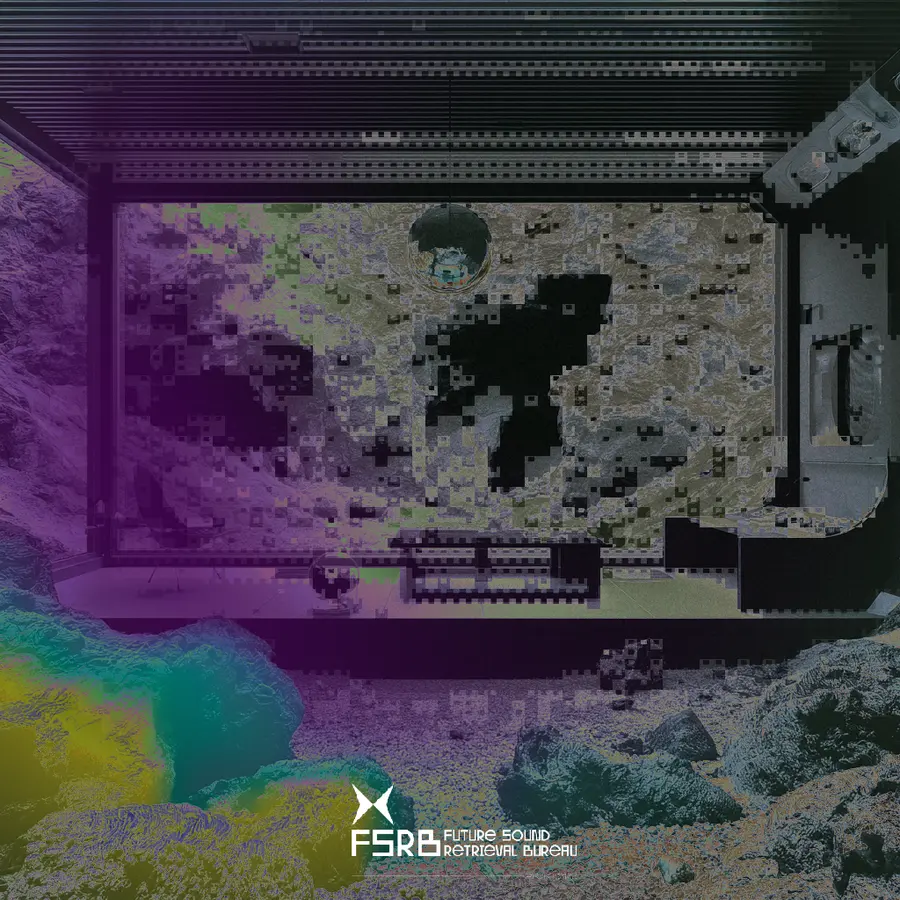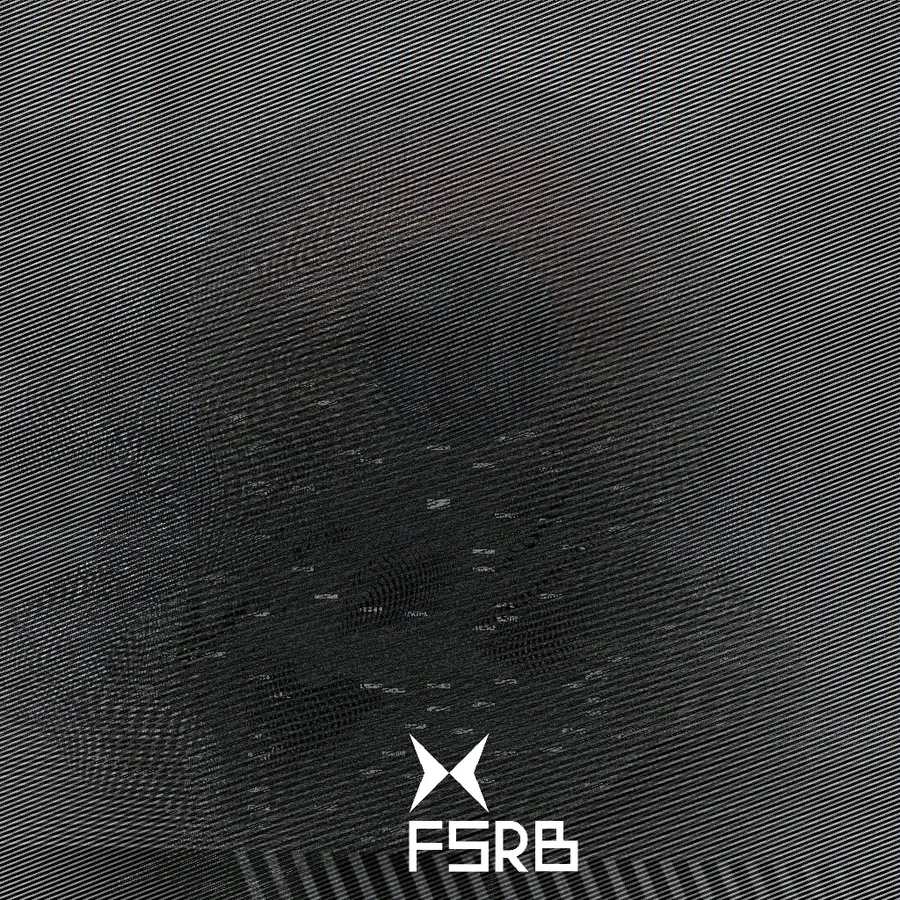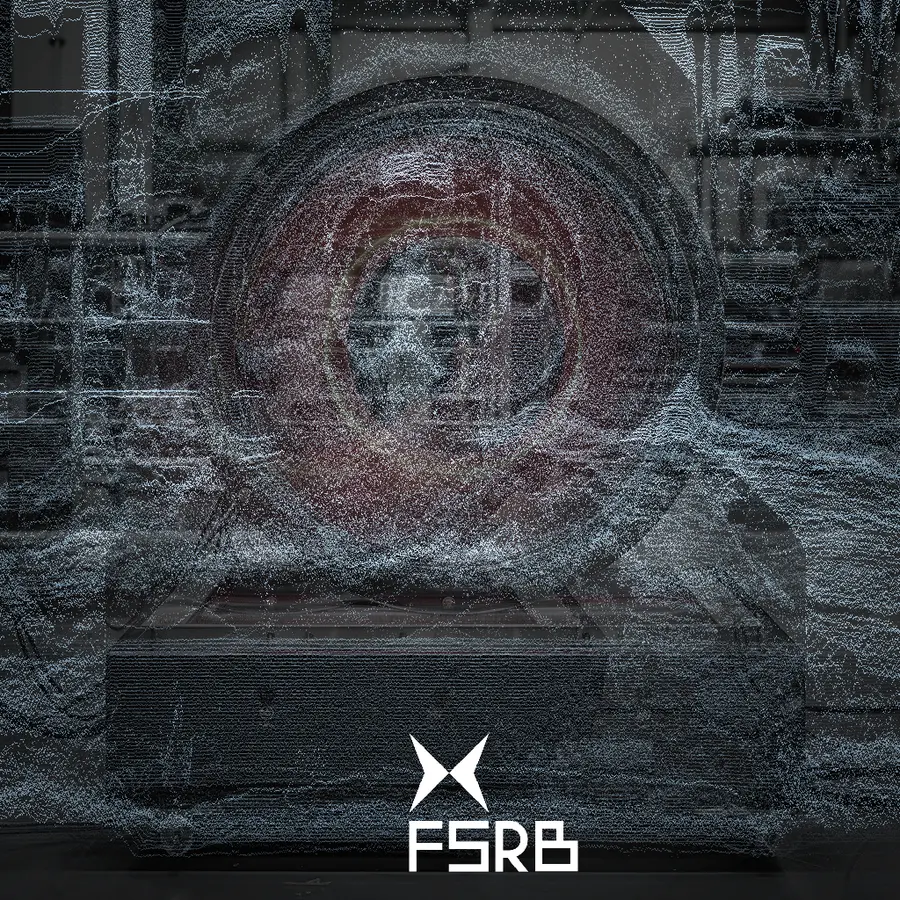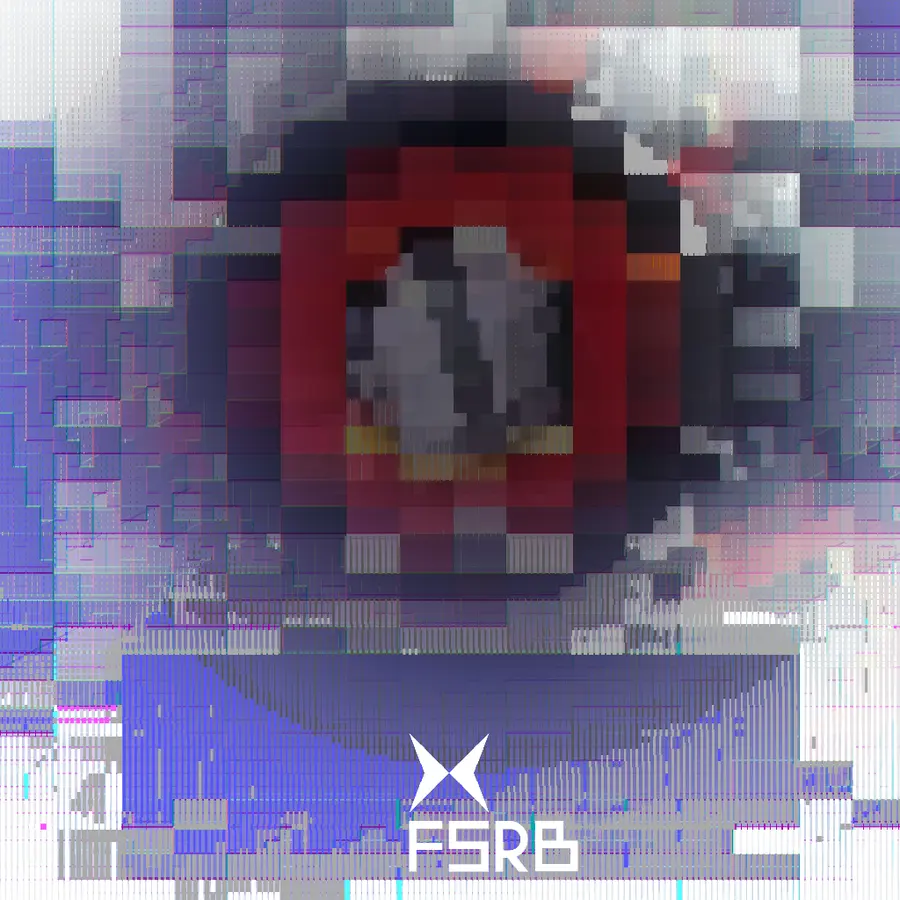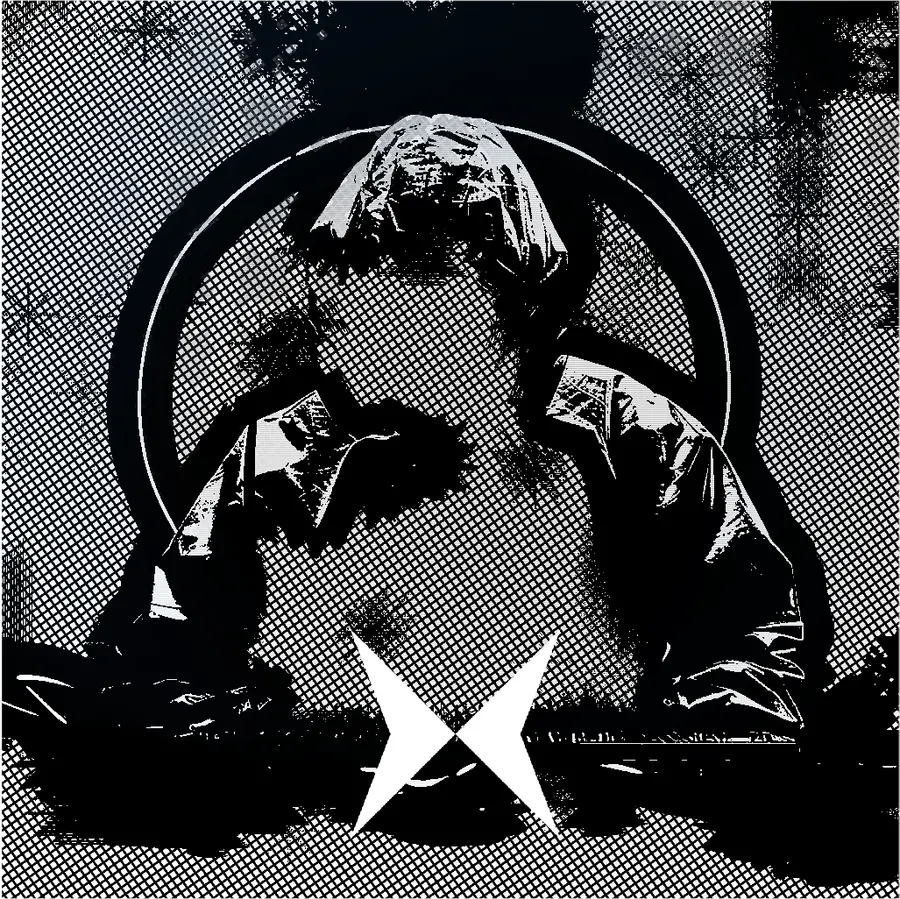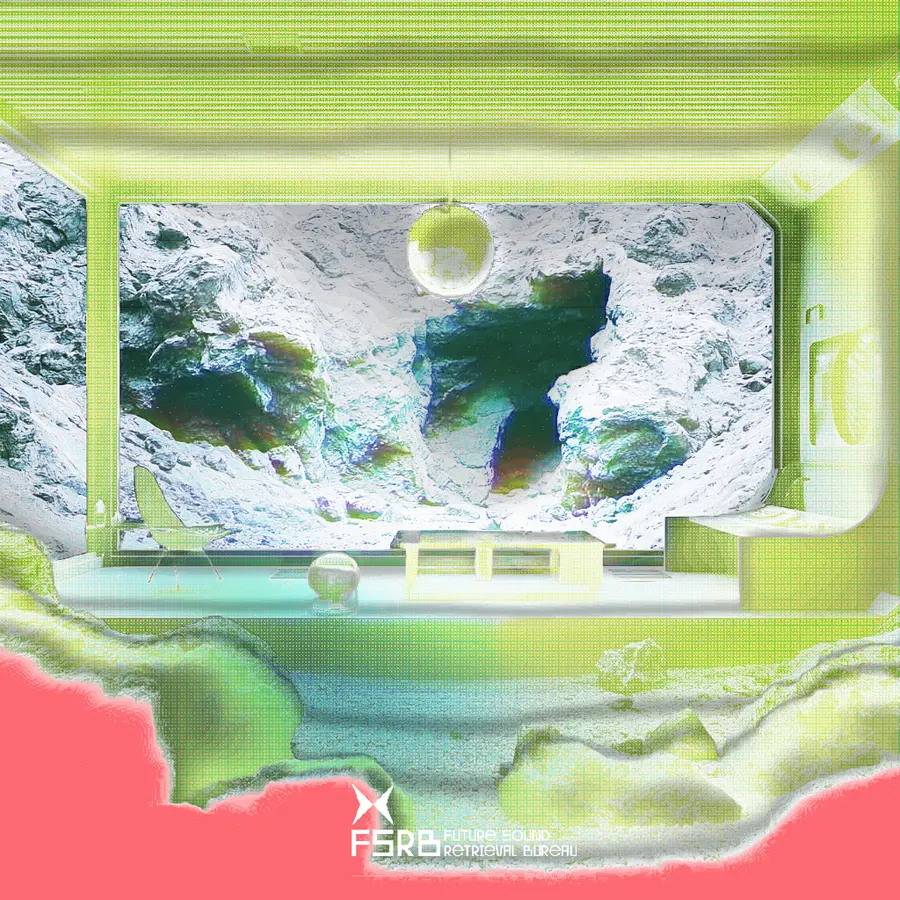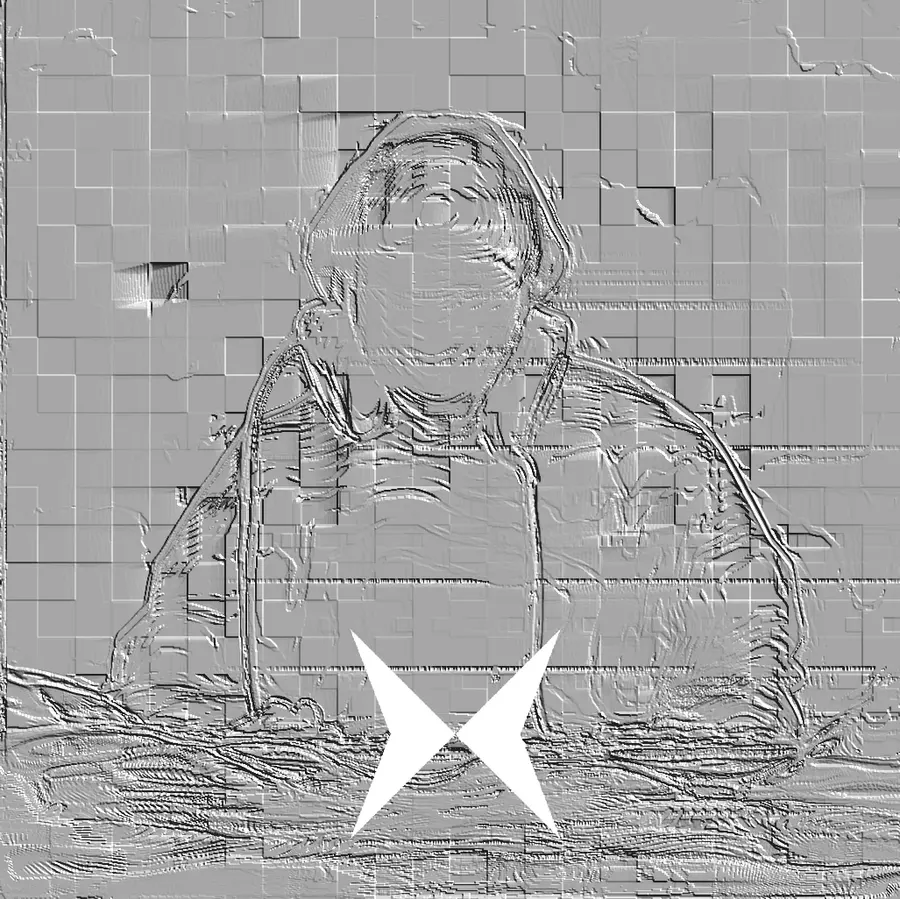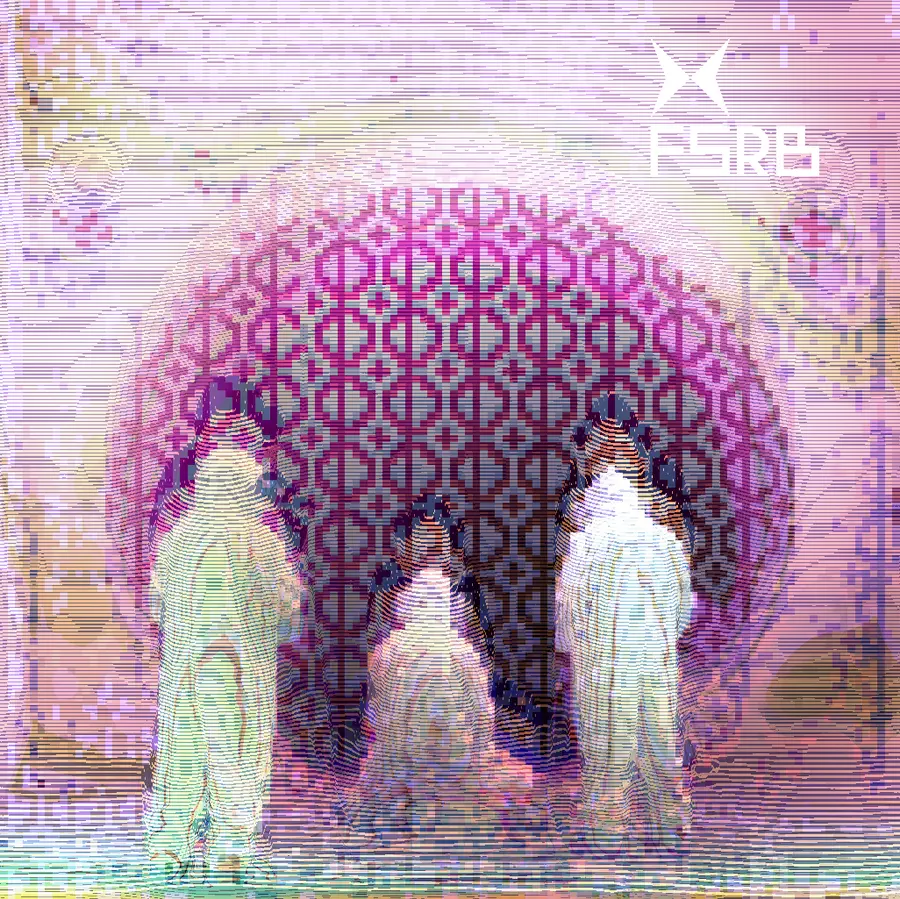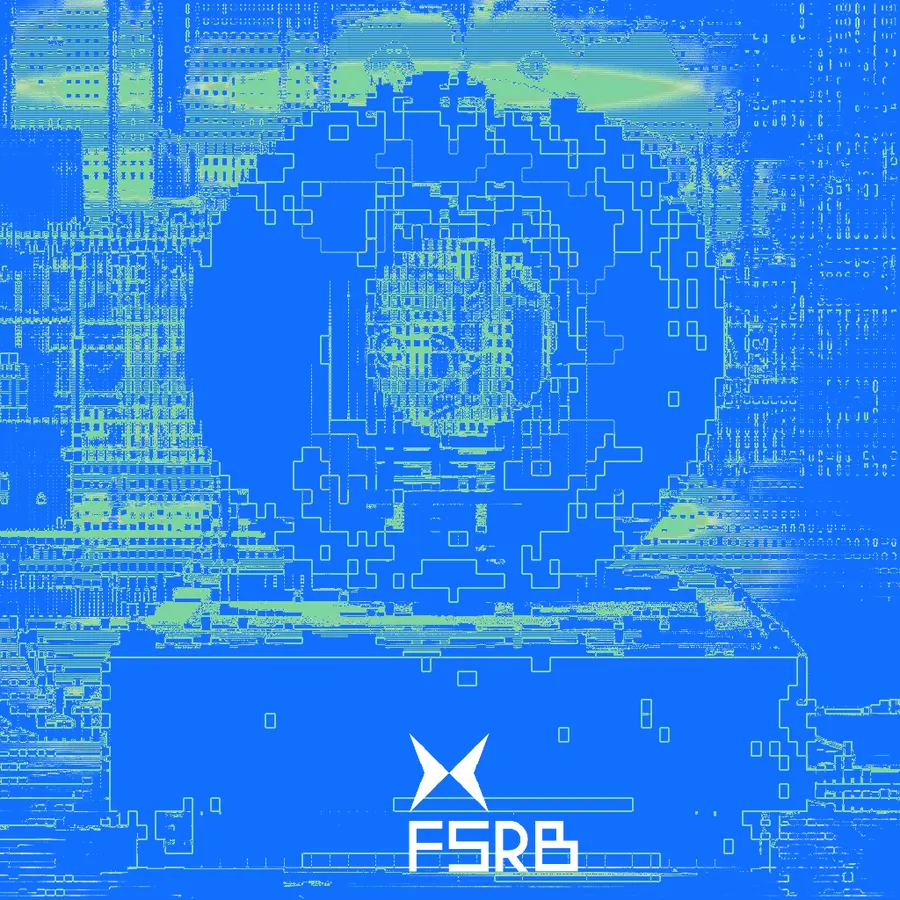
Four covers, rolled not designed
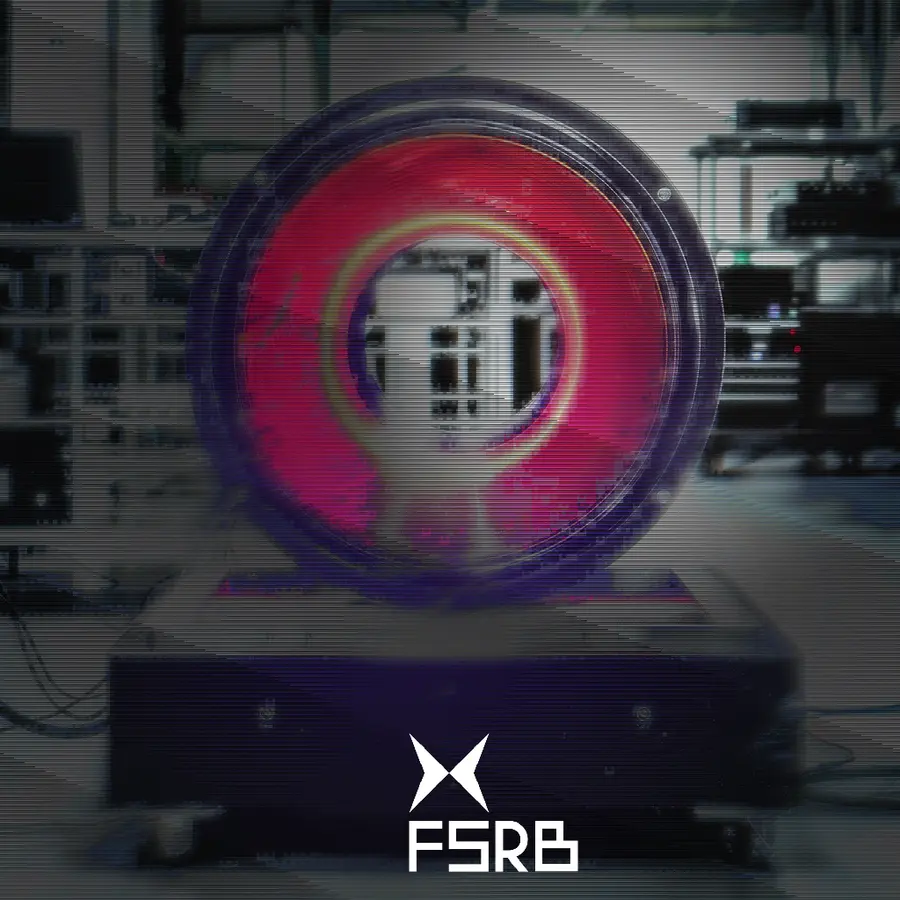
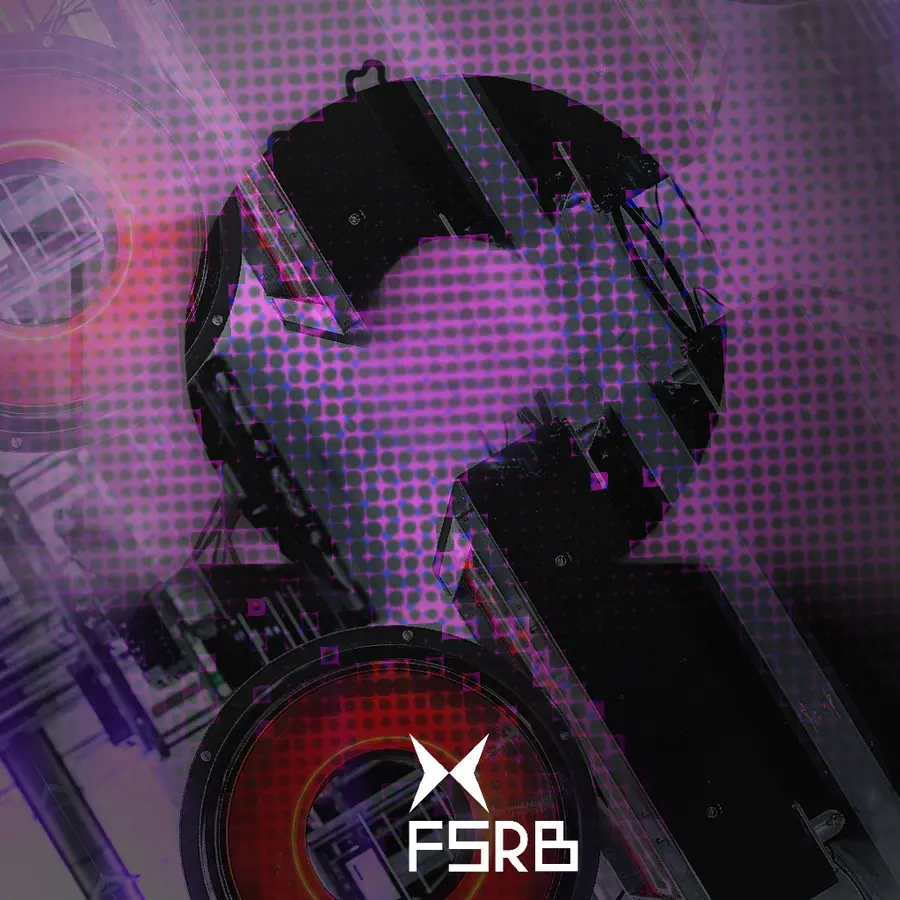
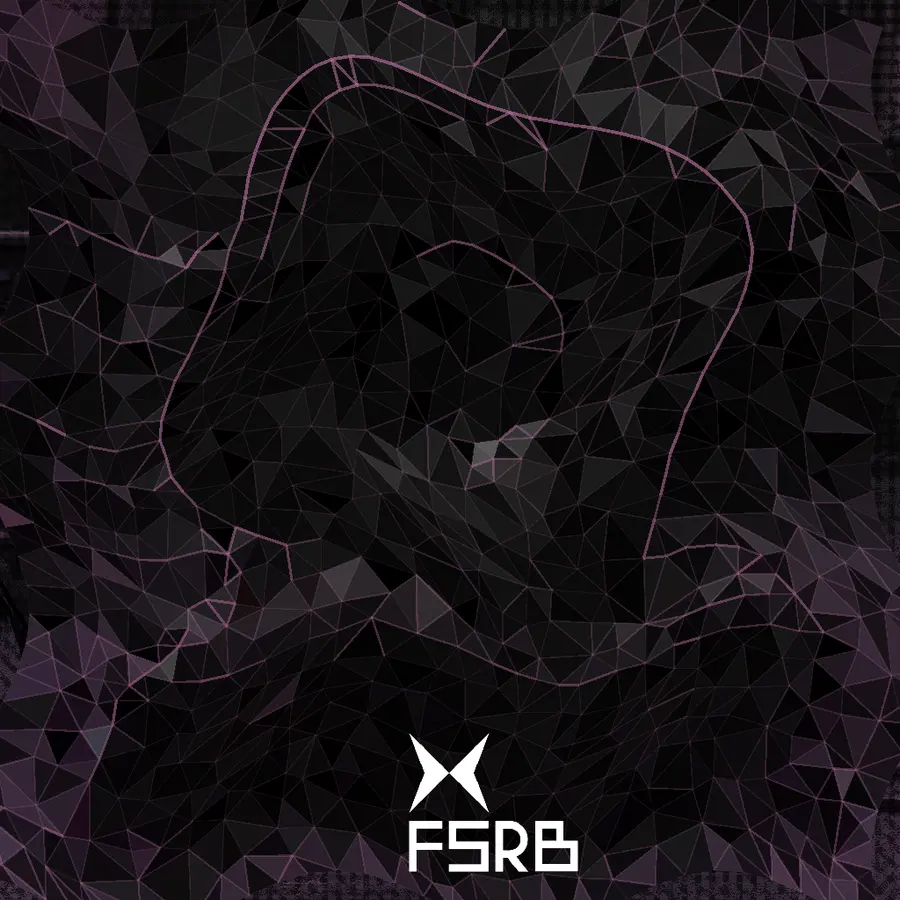
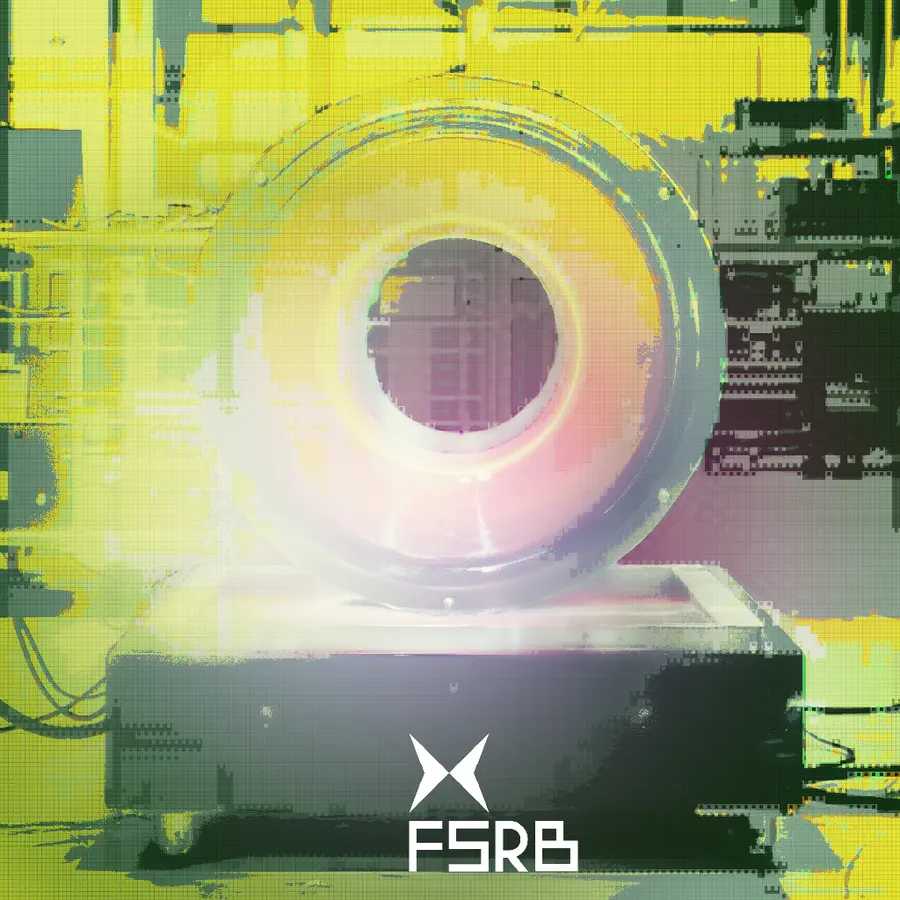
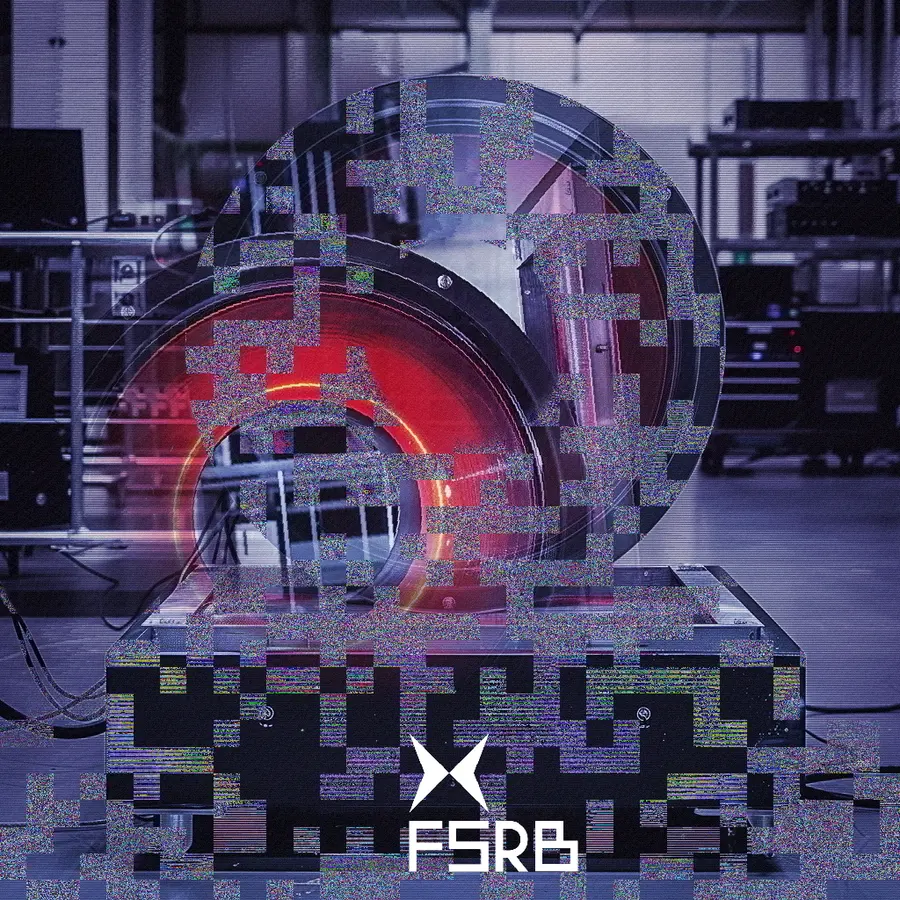
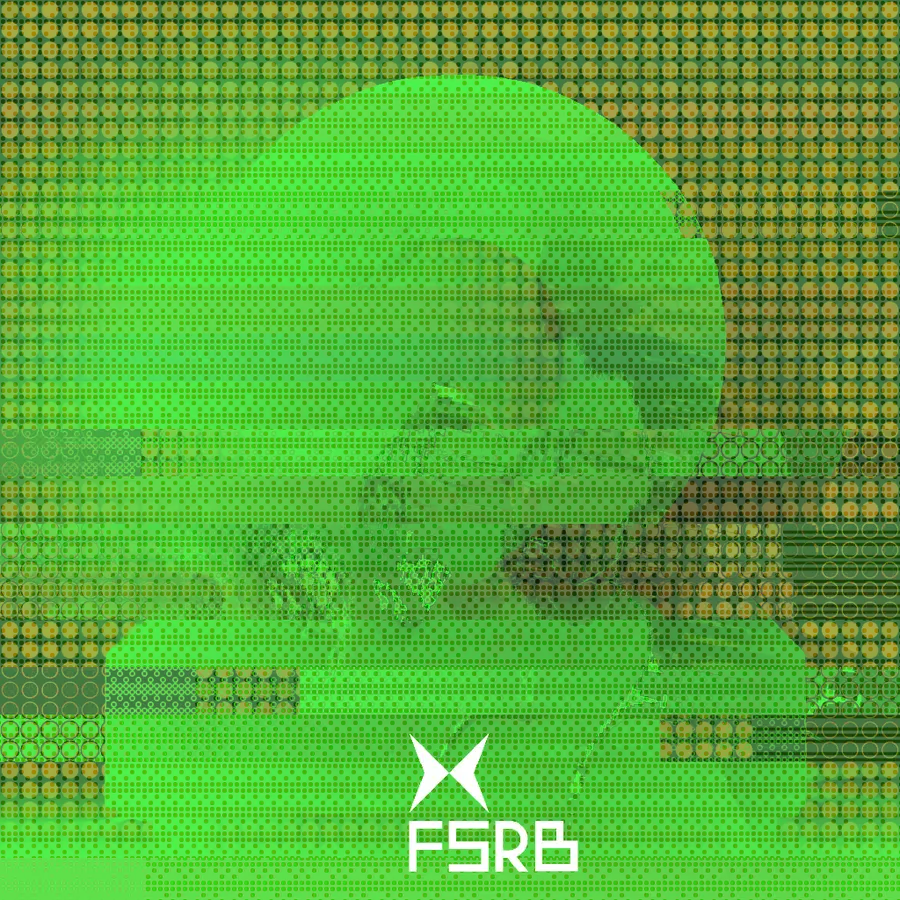
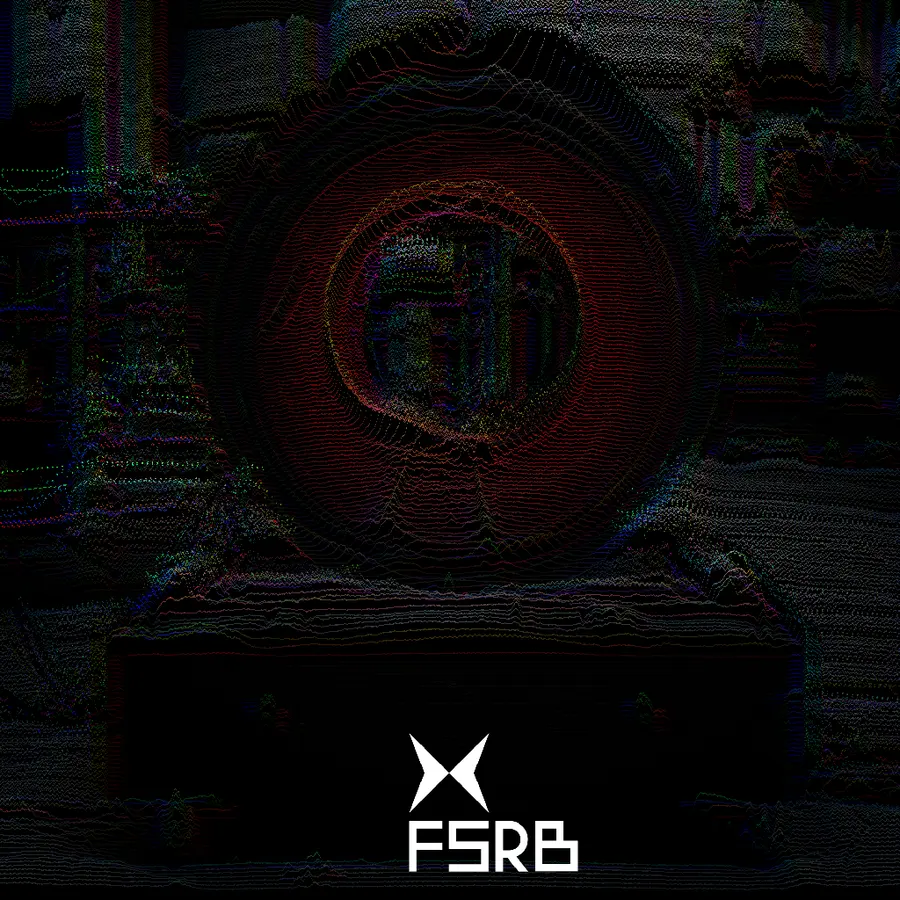
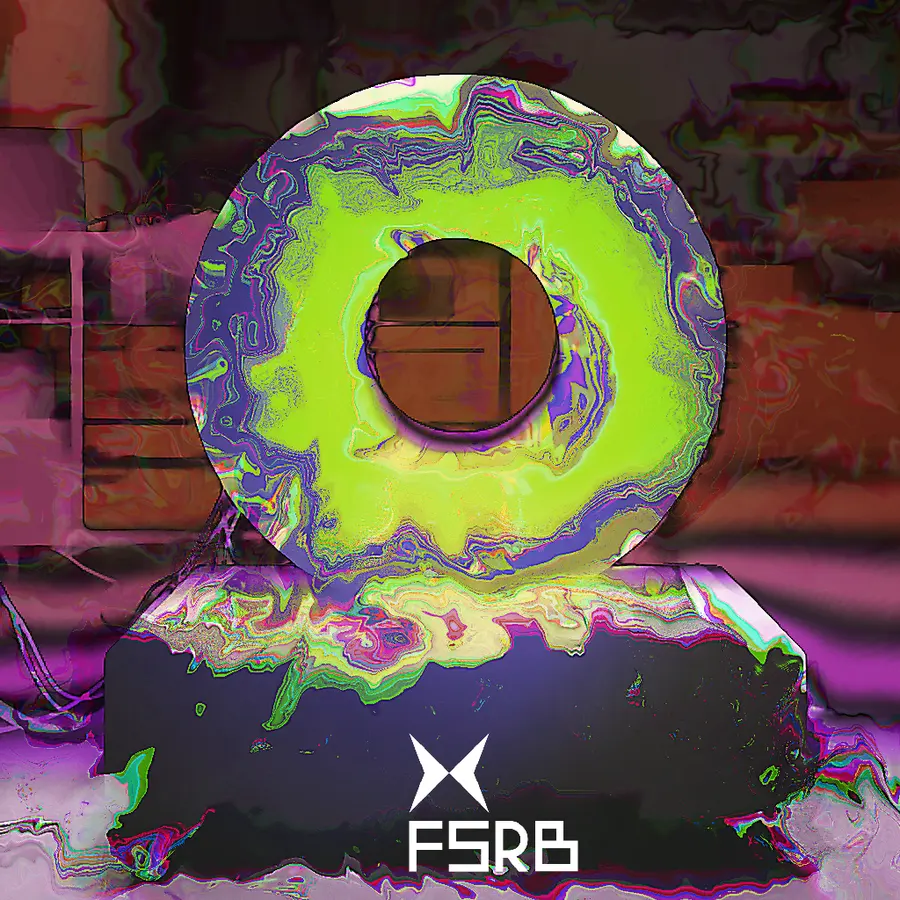
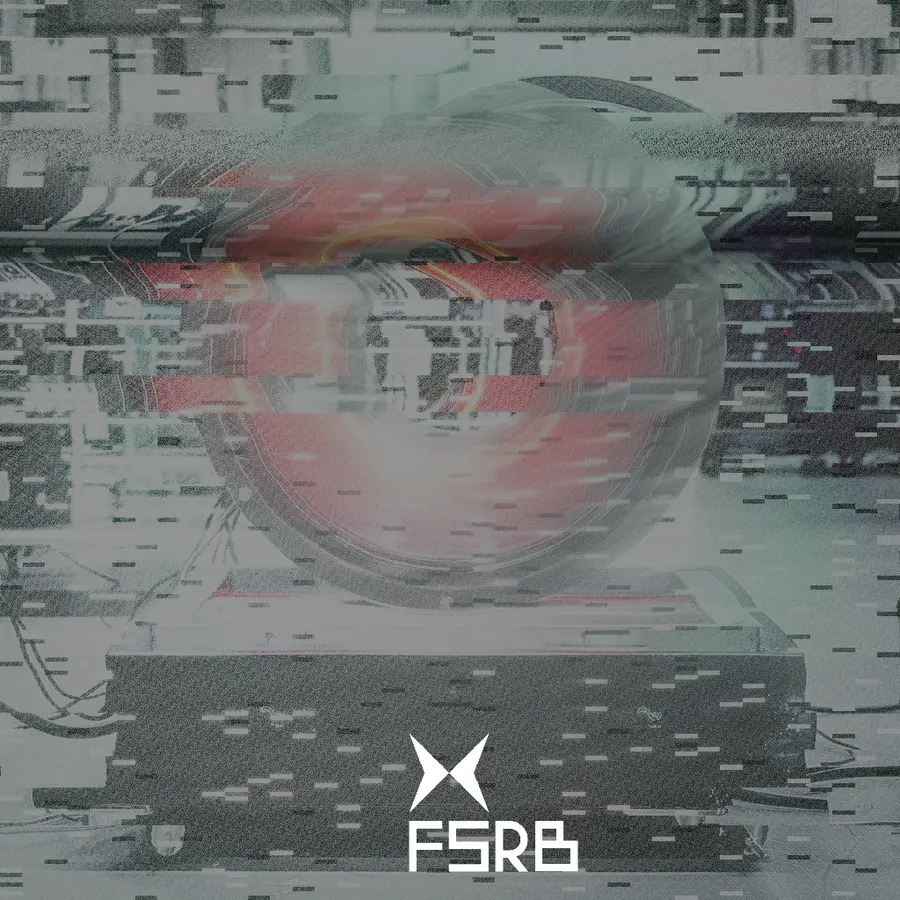
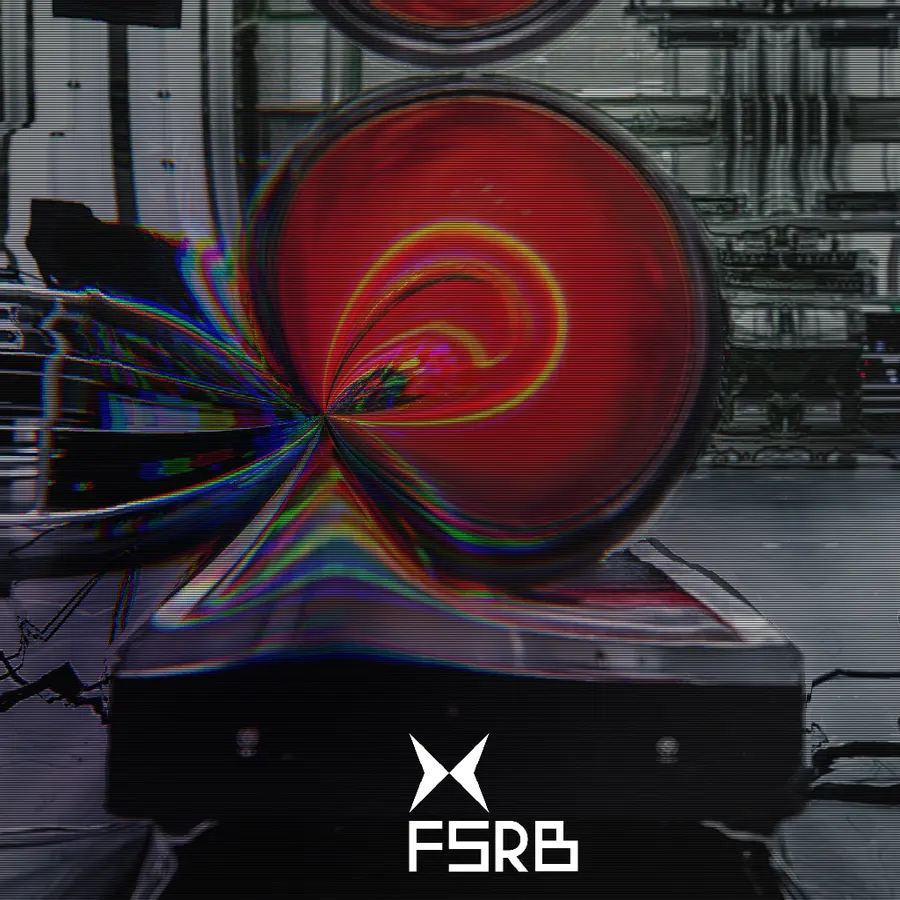
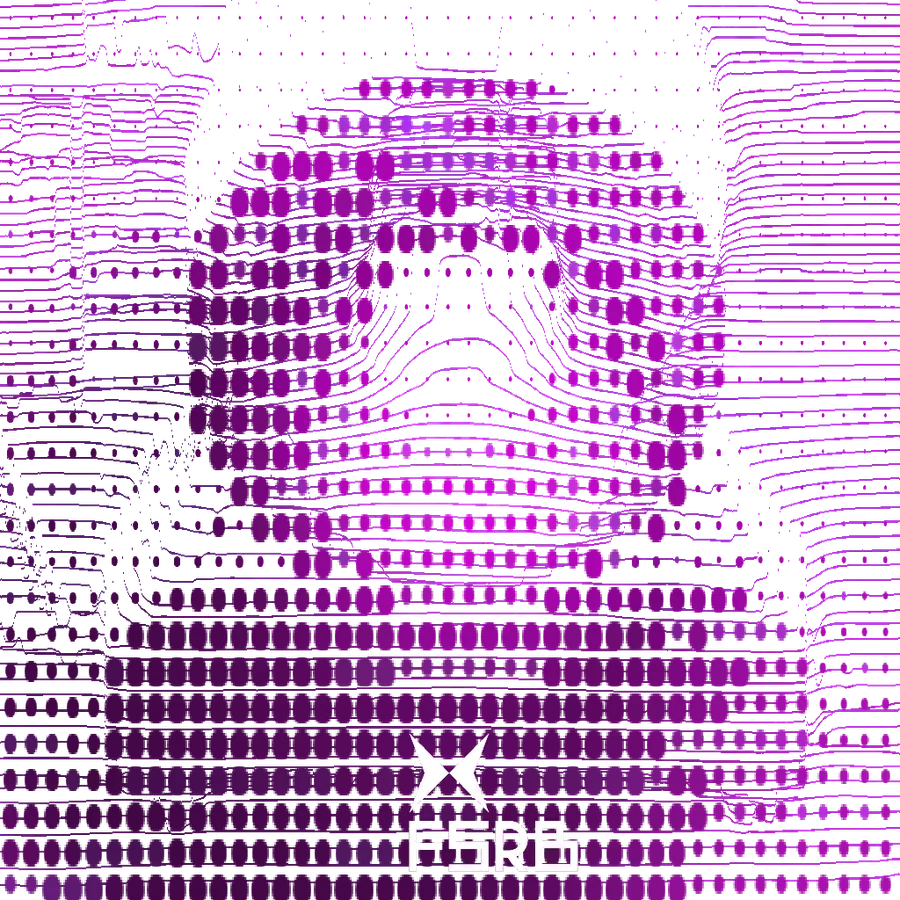
A cover set for a sci-fi dark ambient project — four staged frames, each run through the random rolls until a keeper came out. Four different failures of the same signal. Made end to end in a browser tab.
An album cover has one of the strangest briefs in graphic work: it has to hold a wall-sized mood inside a three-centimetre square. Most of the places it will ever be seen — a streaming app, a phone lock screen, a video thumbnail — are small, dim and compressed. Whatever survives that is the cover.
This project stacks a second problem on the first, and it is the more interesting one. The premise is a bureau that recorded sound from the future, dissolved under unexplained circumstances, its archive since declassified. Every release is a file out of that archive — which means the covers have to look related but not identical. Same facility, same equipment, different day, different failure.
Four covers designed one at a time drift apart. Four crops of the same photograph are too samey. What worked was neither: four staged frames, each rolled until the set had a family resemblance the design never had to enforce.
Anchor the shape before anything else
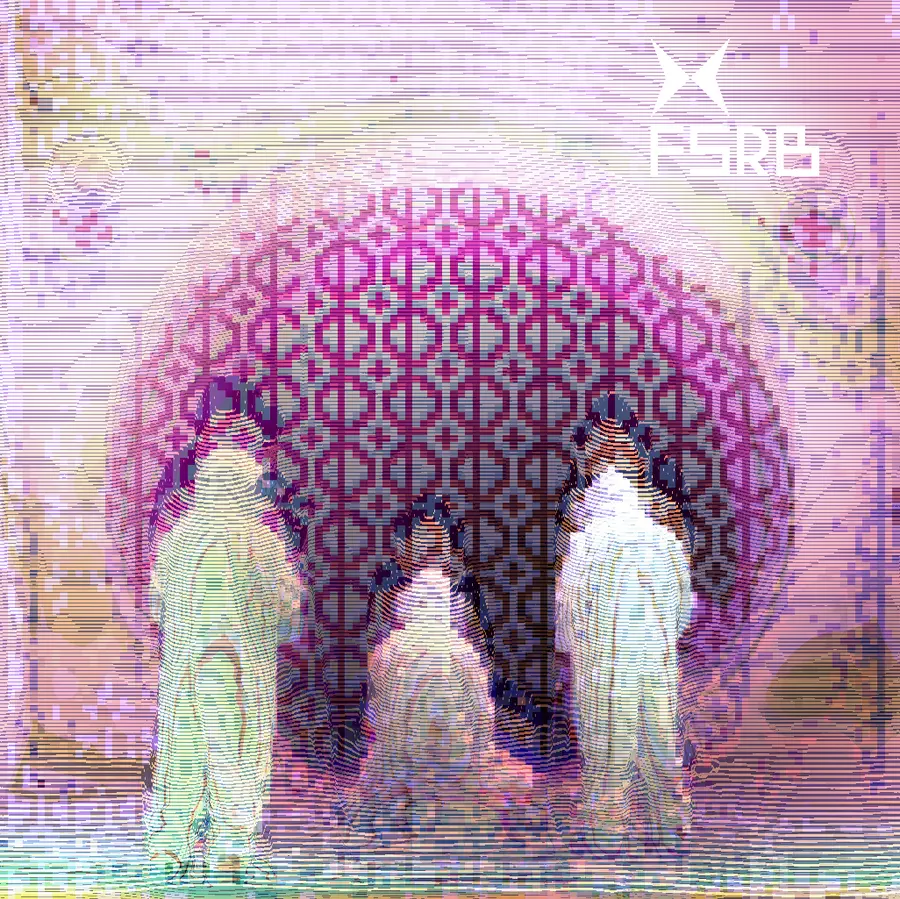
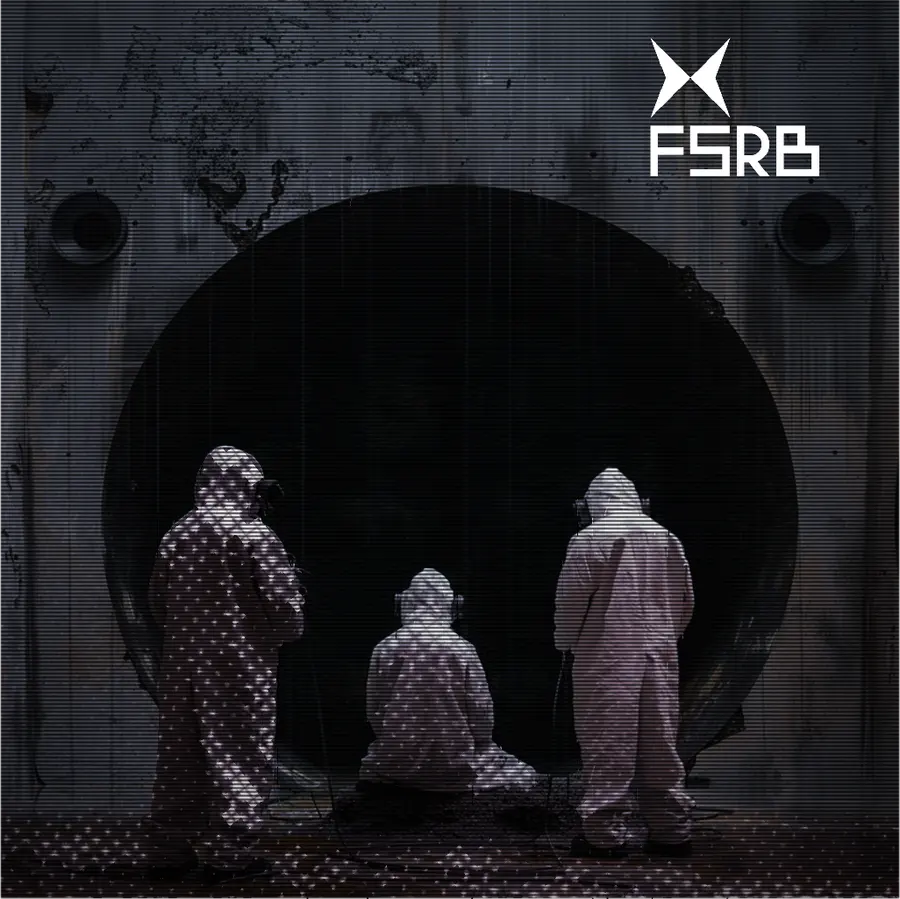
Find the thing that will still read at thumbnail size, because everything downstream has to protect it. In this frame it is the protective suits — pale figures against a dark, ruined, overgrown site. That contrast is the composition.
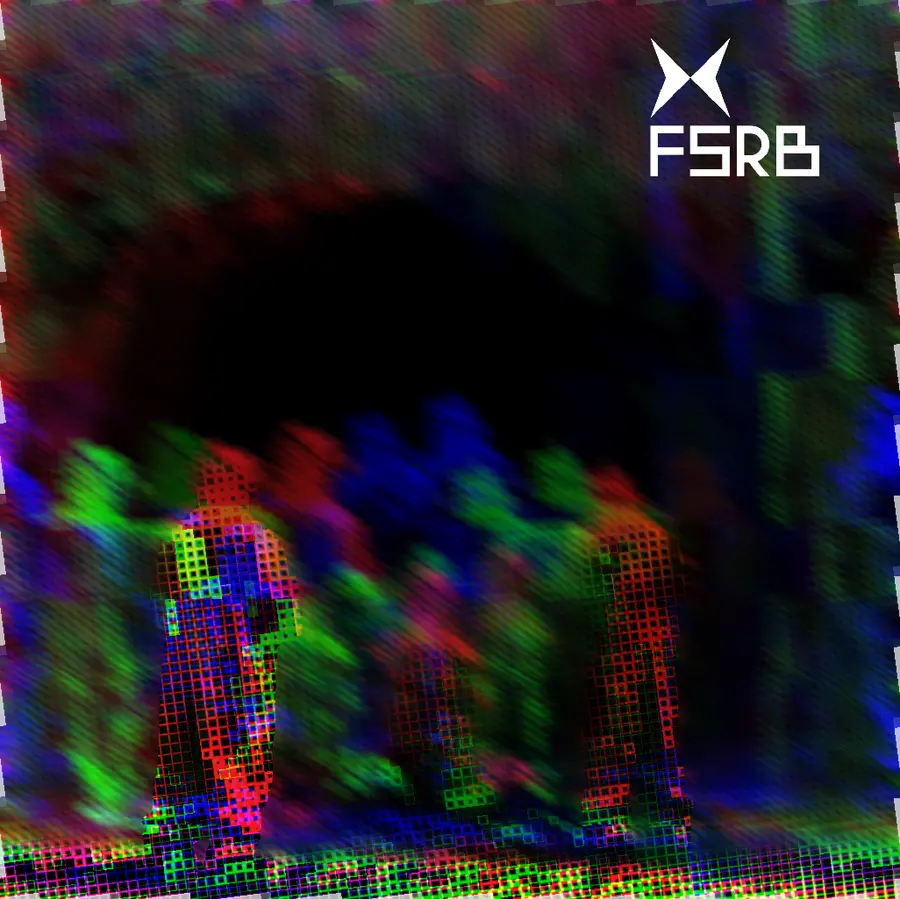
Squint at it small. If the figures still read as figures, the cover works at the size it will actually be seen. If they dissolve into the background, no amount of texture will rescue it.
Roll, don't design
Rather than building a stack by hand, load the frame once and let Explorer roll. Each roll picks its own effects and lands its own parameters, so you get genuinely different treatments of the same photograph rather than four passes of the same idea.
The roll is shaped, not random. Bias the families so rolls stay in the territory the concept lives in — signal, glitch, degrade, with depth allowed in — and leave the rest out, so nothing comes back looking like a beauty filter. Then set how hard it rolls: complexity, intensity, blend and mask variation, and how far it leans on depth. Wide enough that siblings differ, tight enough that they are recognisably from one archive.
Then roll a lot and keep almost nothing. This is one frame, sixteen rolls deep.
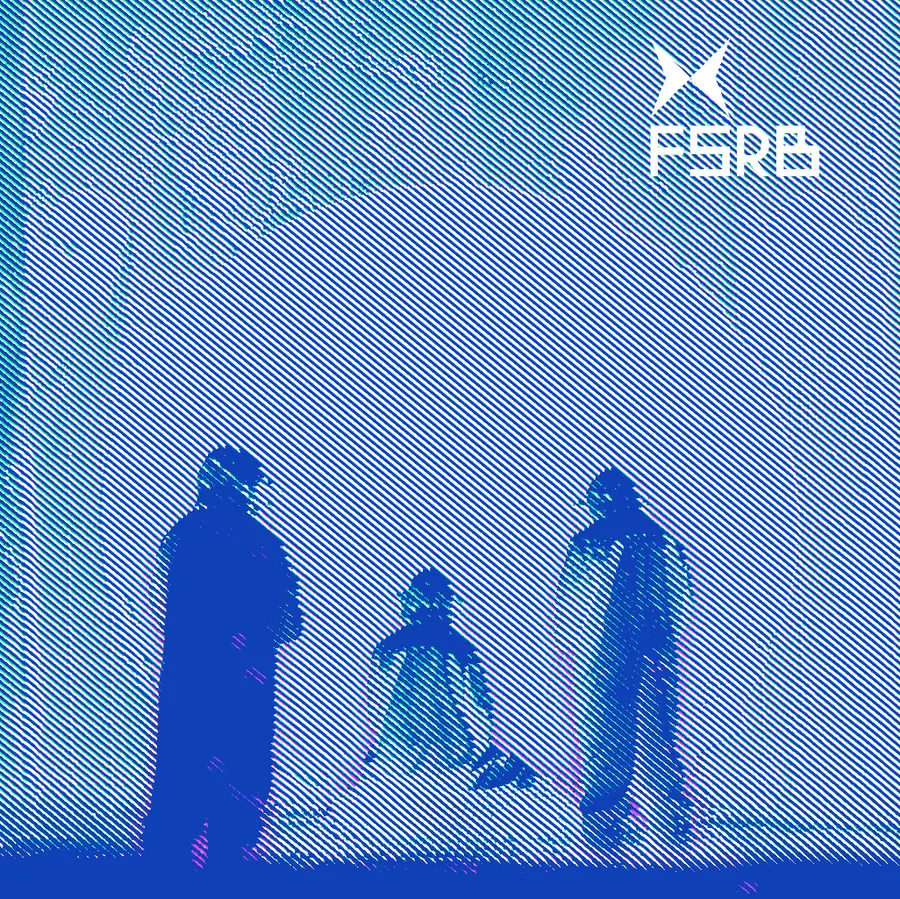
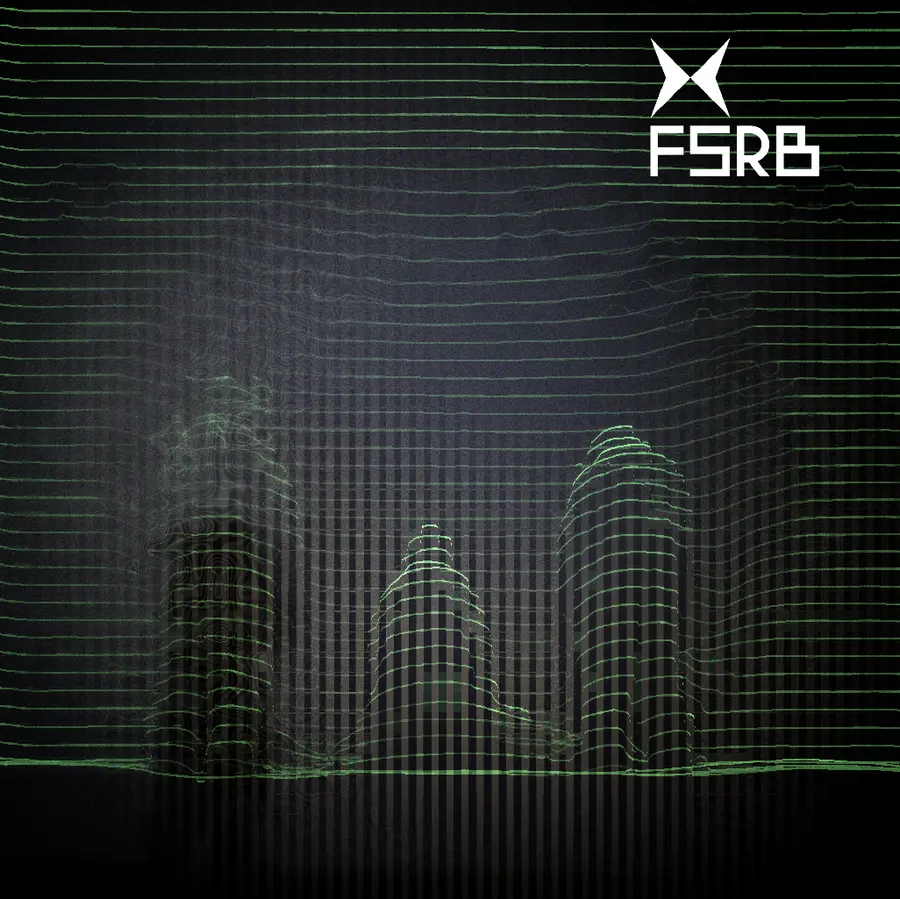
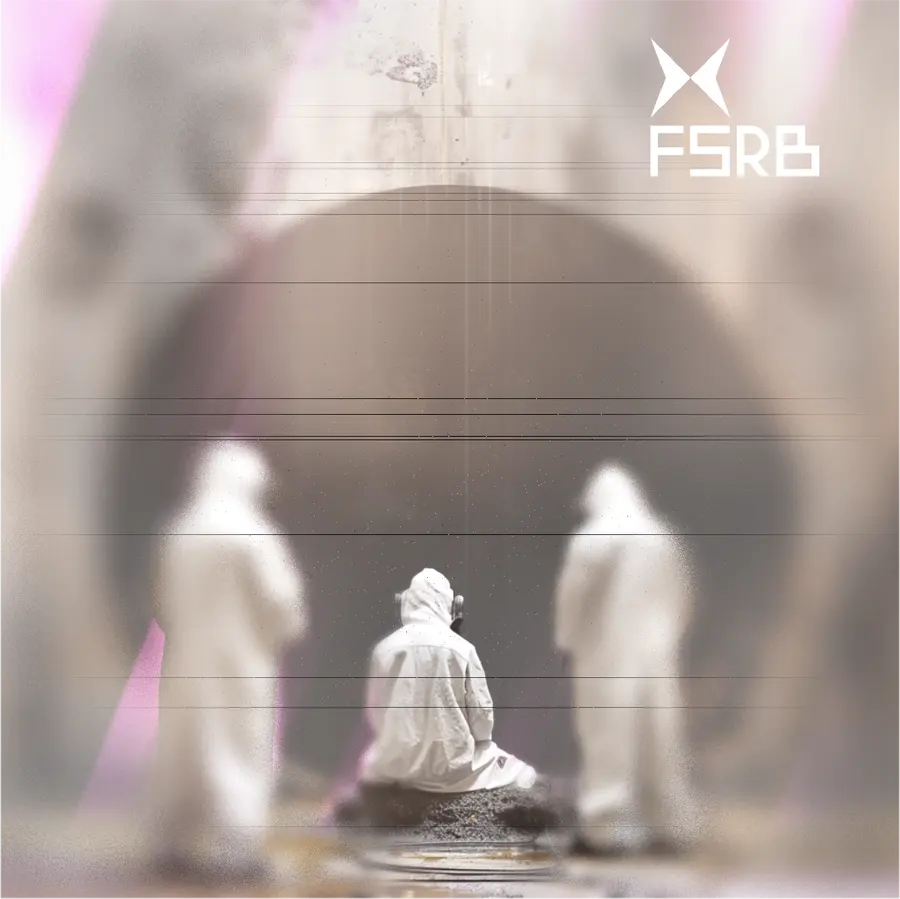
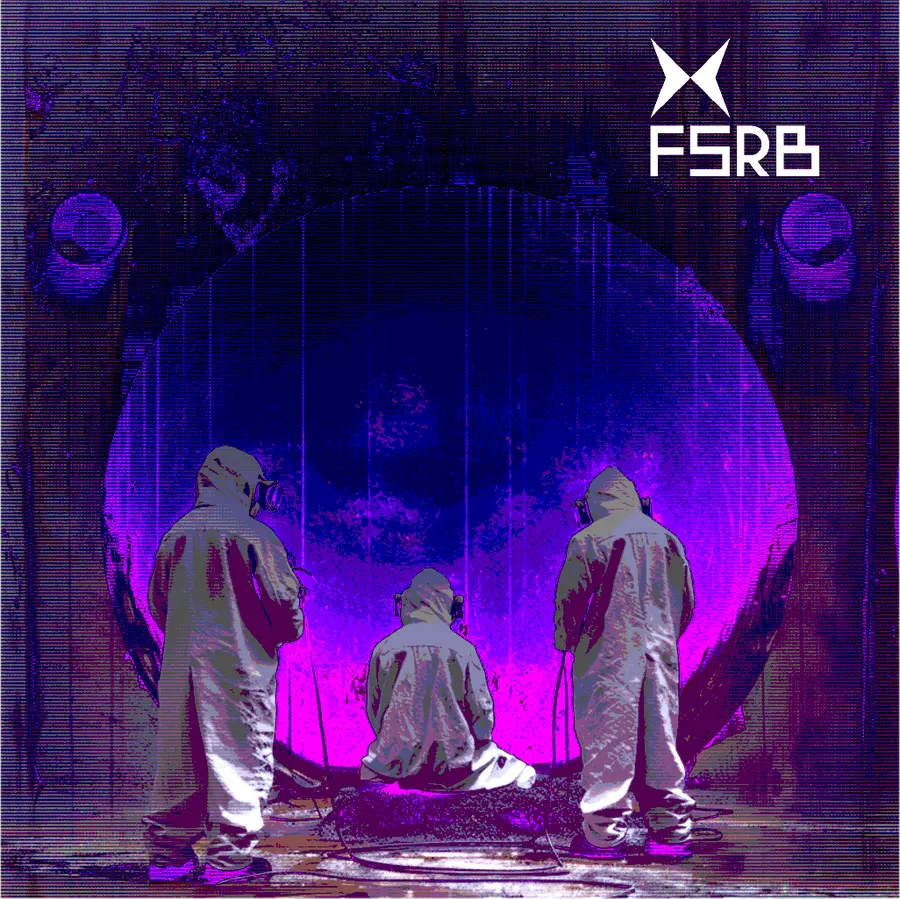
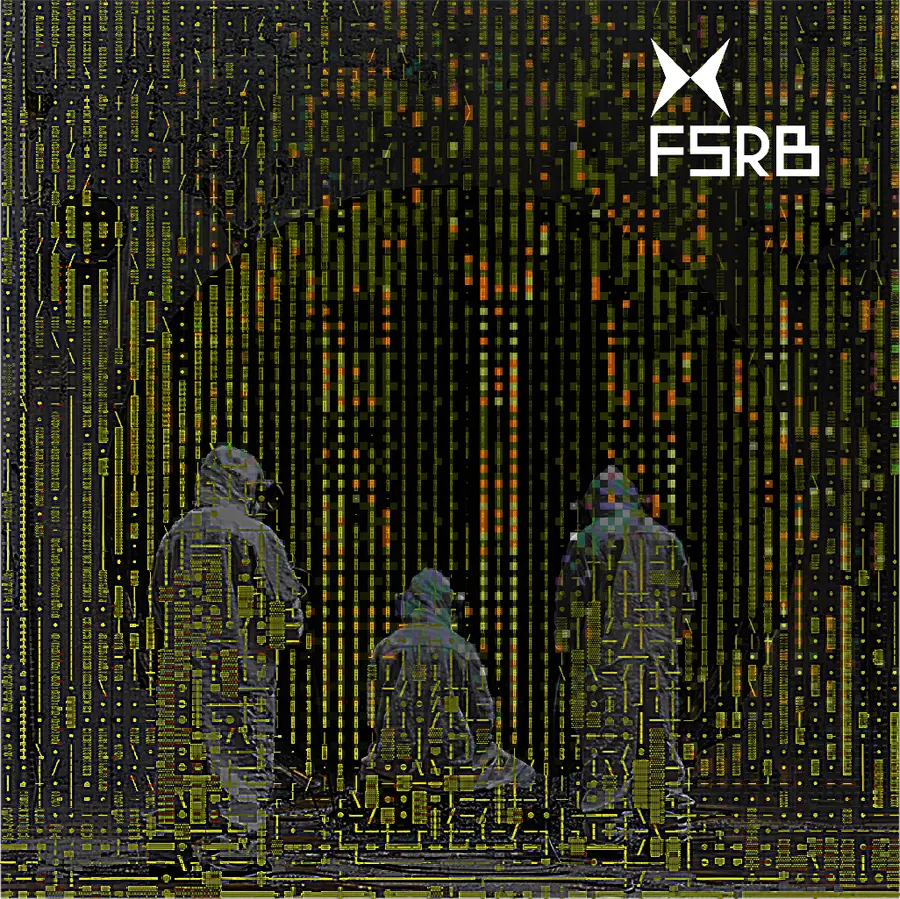
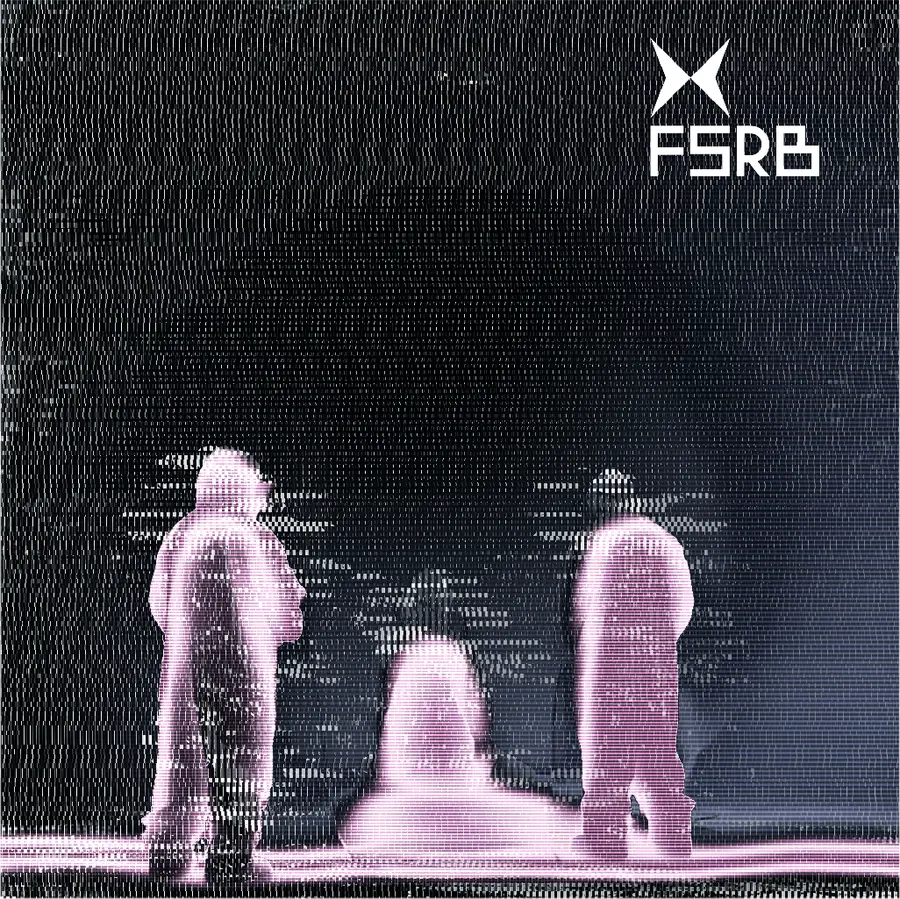
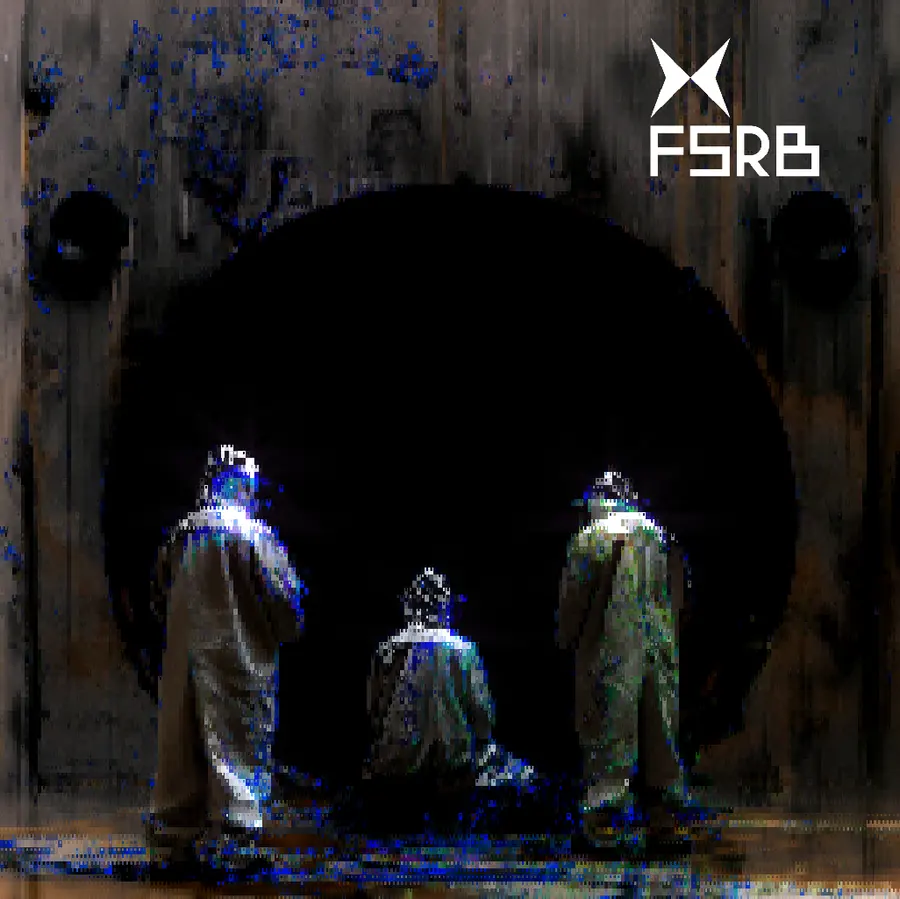
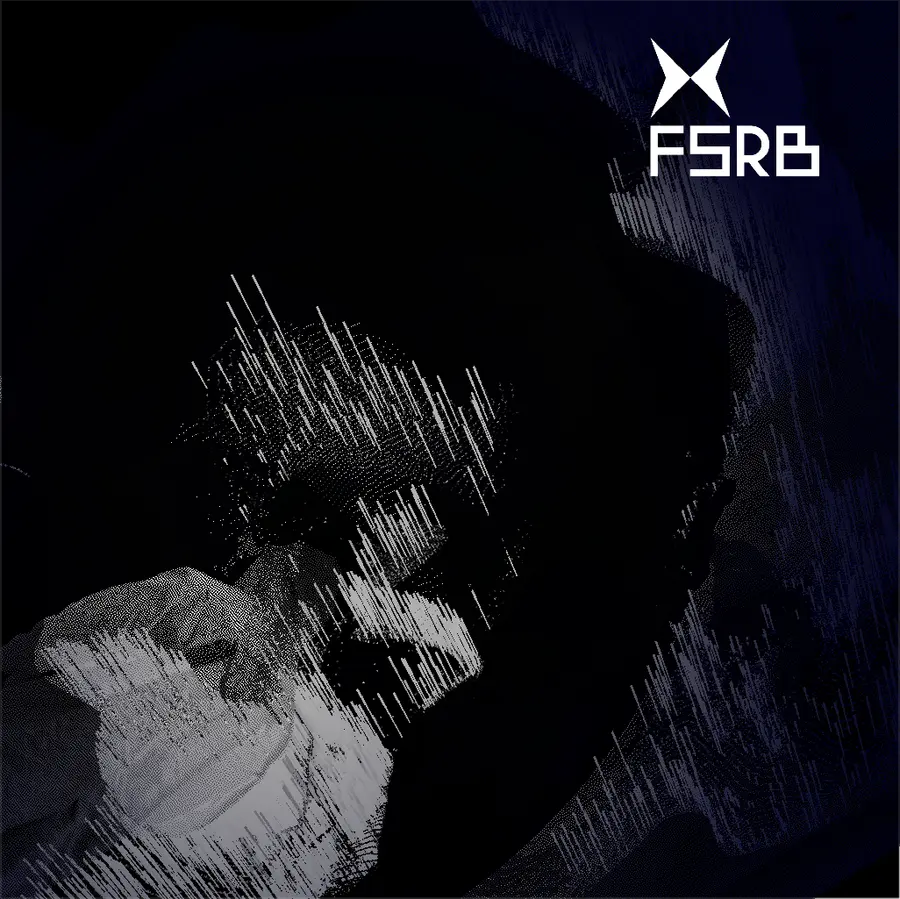
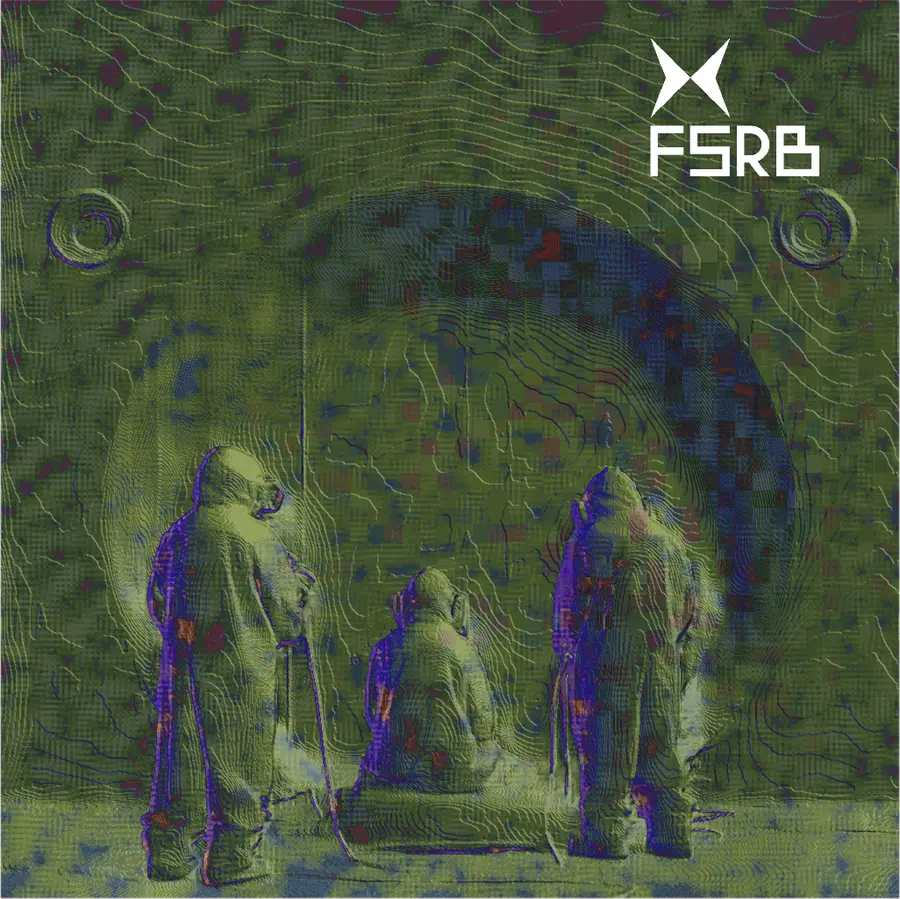
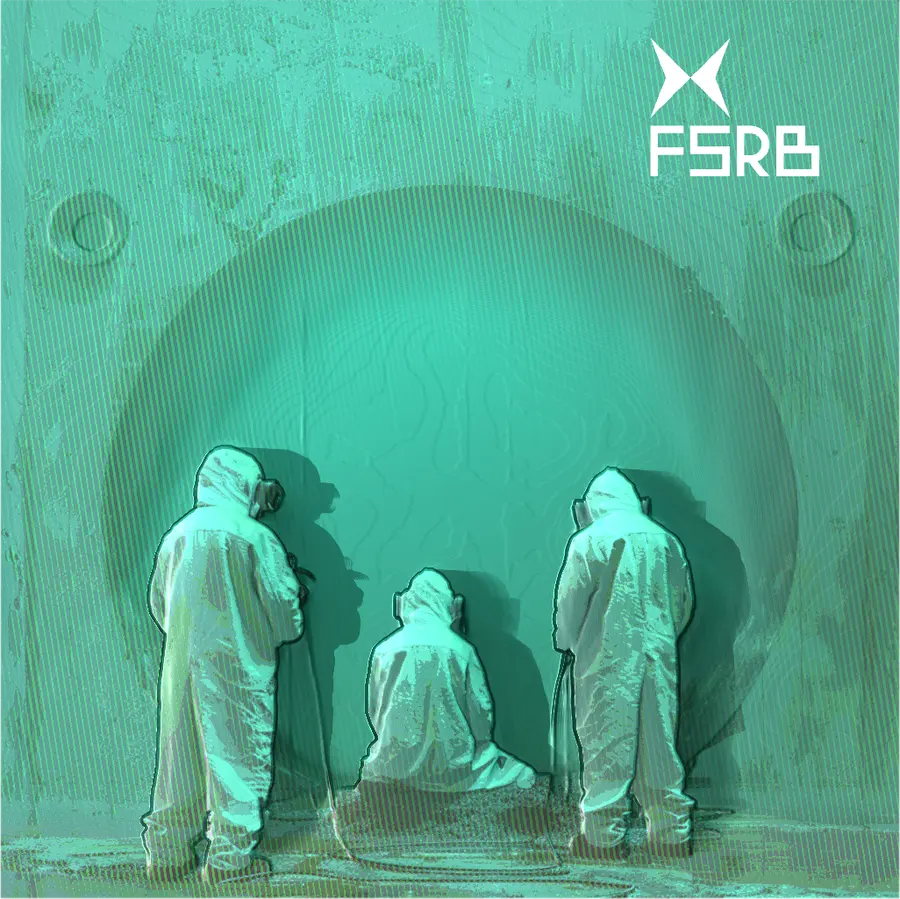
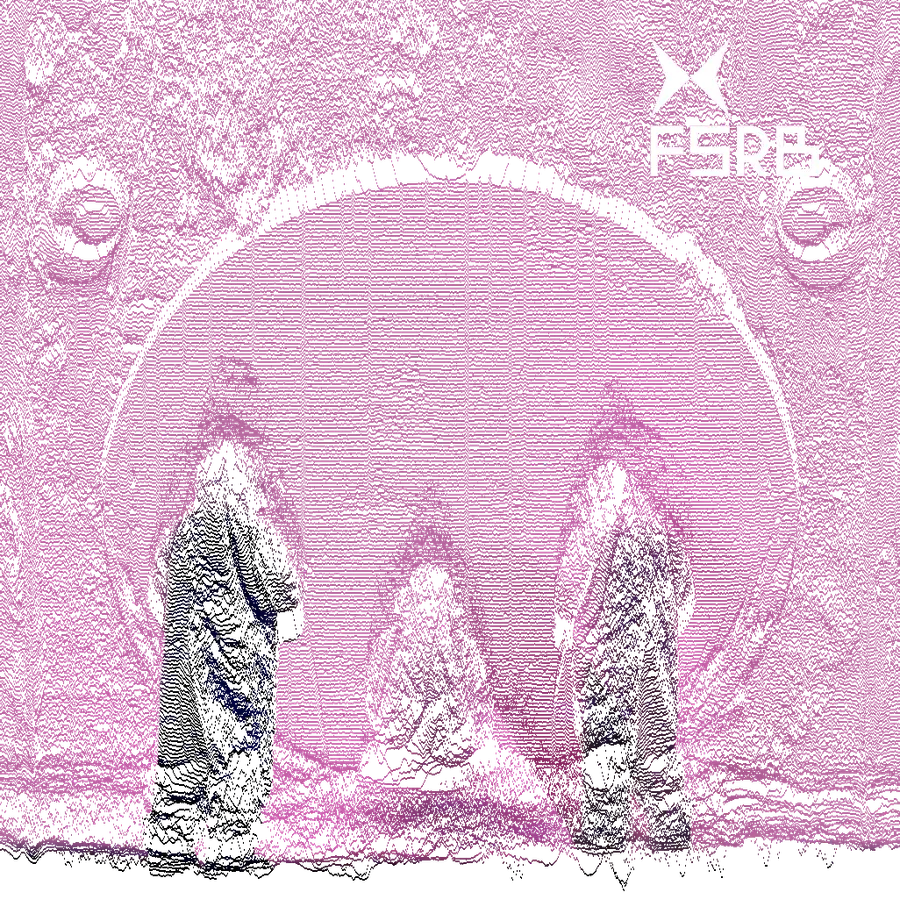
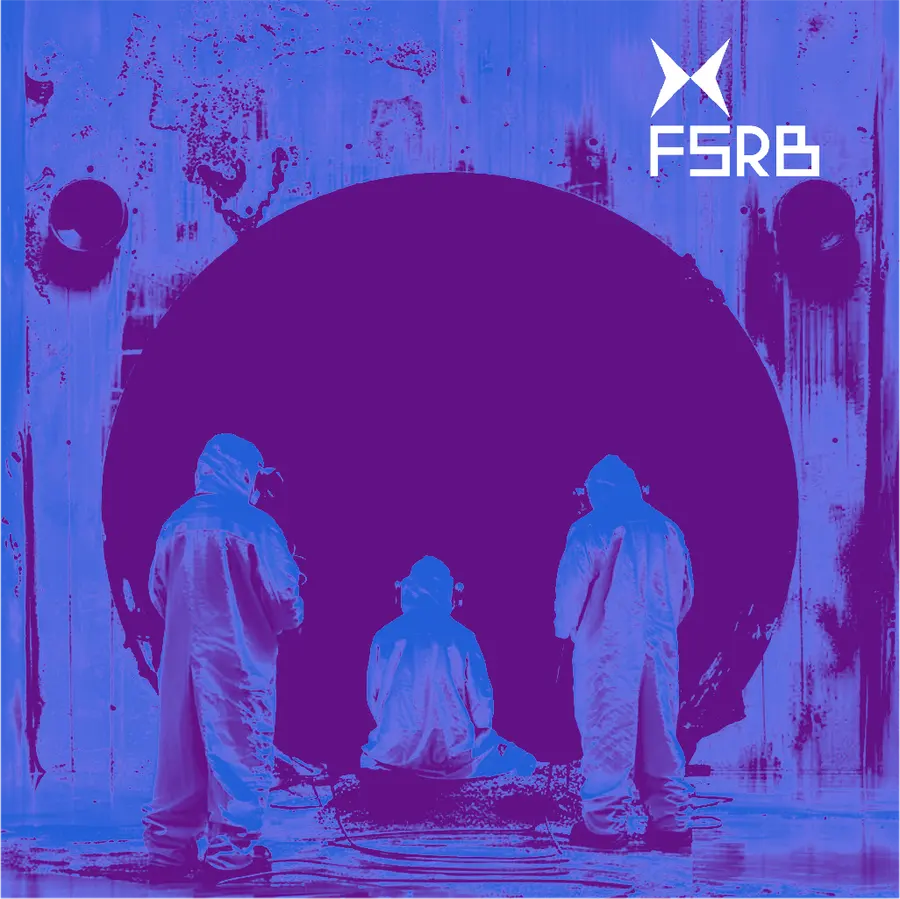
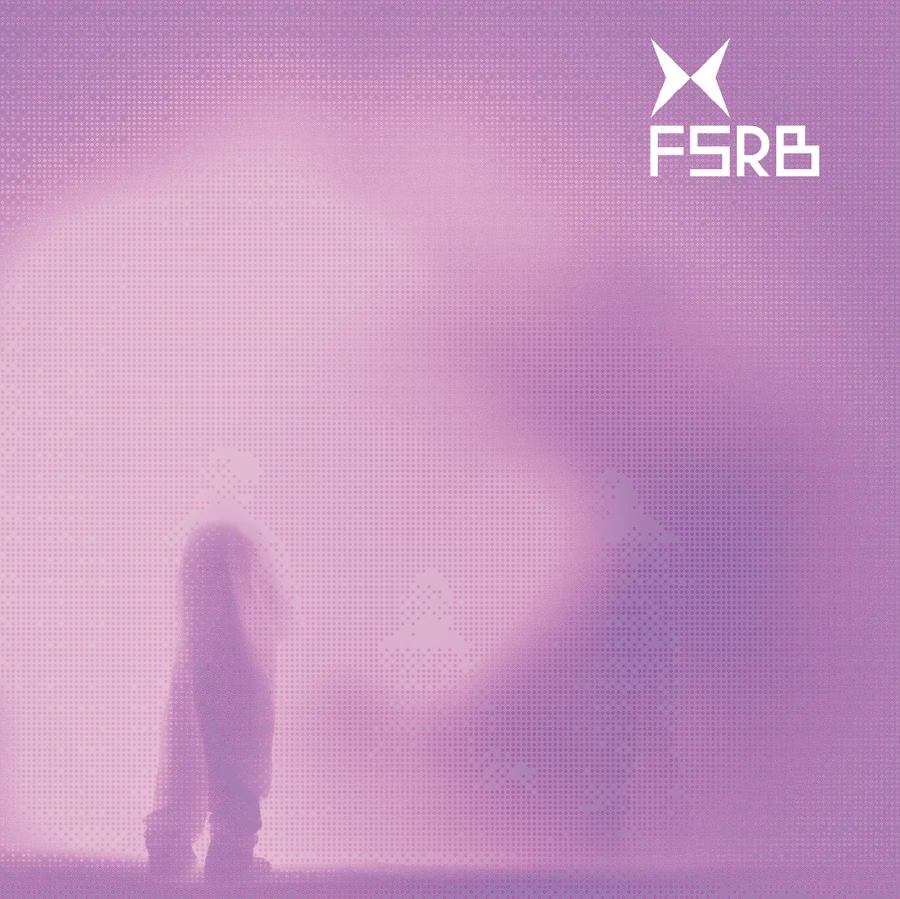
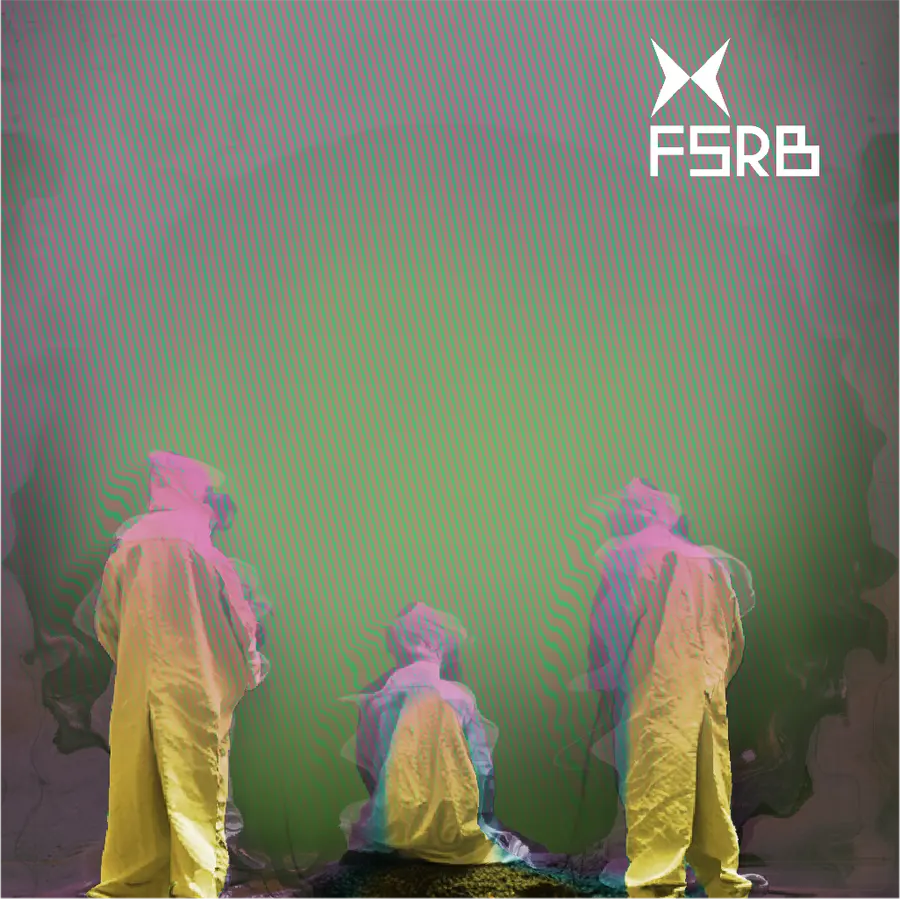
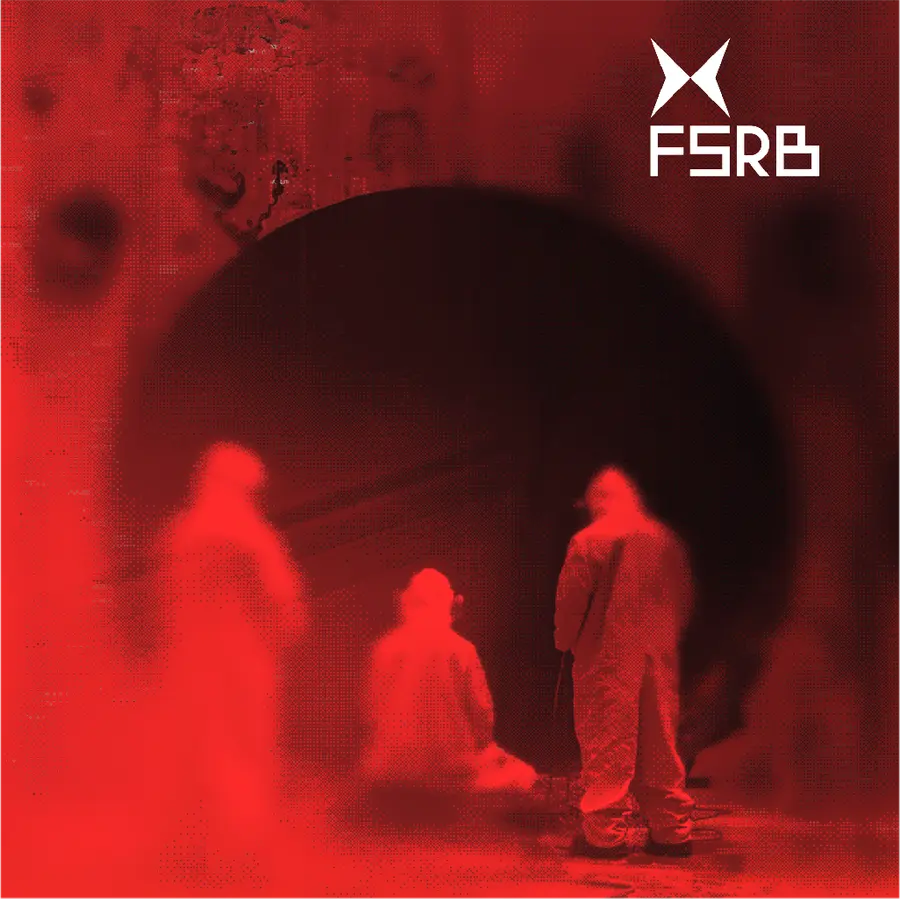
What survives a roll
Three tests, in this order.
Does the anchor survive? If the roll has eaten the subject, it is gone regardless of how interesting the texture is. The anchor is not negotiable.
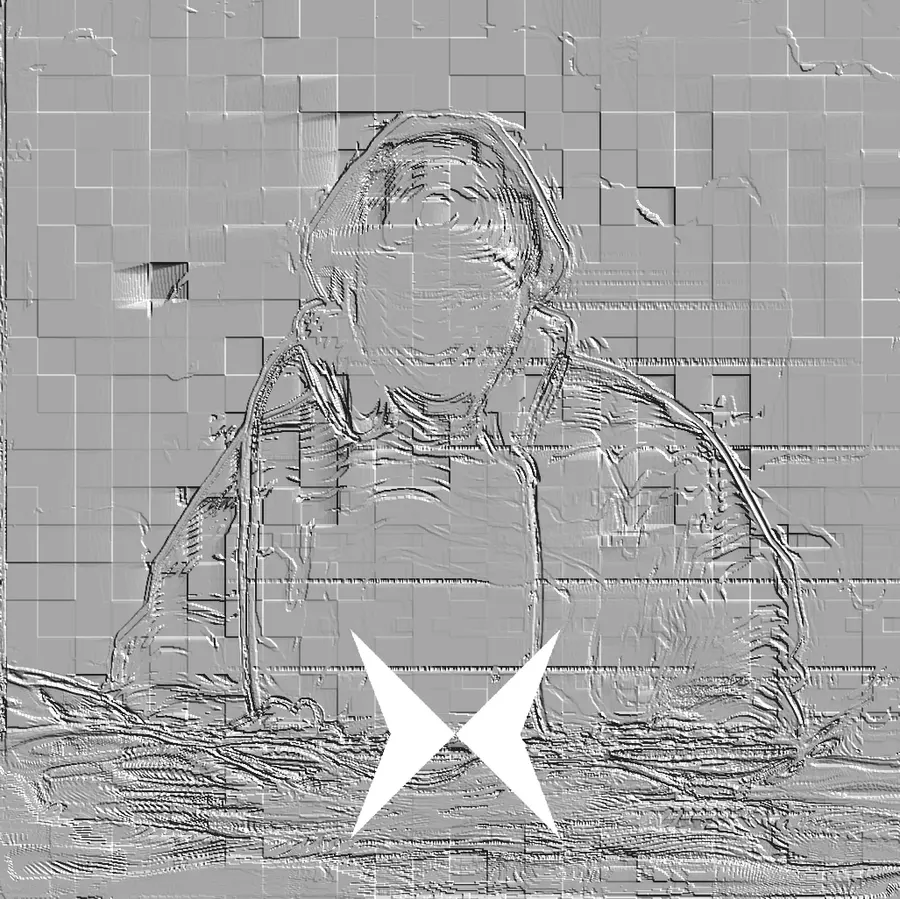
Does the damage read as an event? The premise is a recording that came back through something, so artefacts have to look like loss in transmission — blocks tearing where the data gave out — rather than a texture sitting on top. Real compression damage does this because the compression is real: run genuine DCT, the same maths a JPEG uses, and let it fail. Damage everywhere is a glitch poster. Damage in one band across the horizon is a document with something wrong in it.
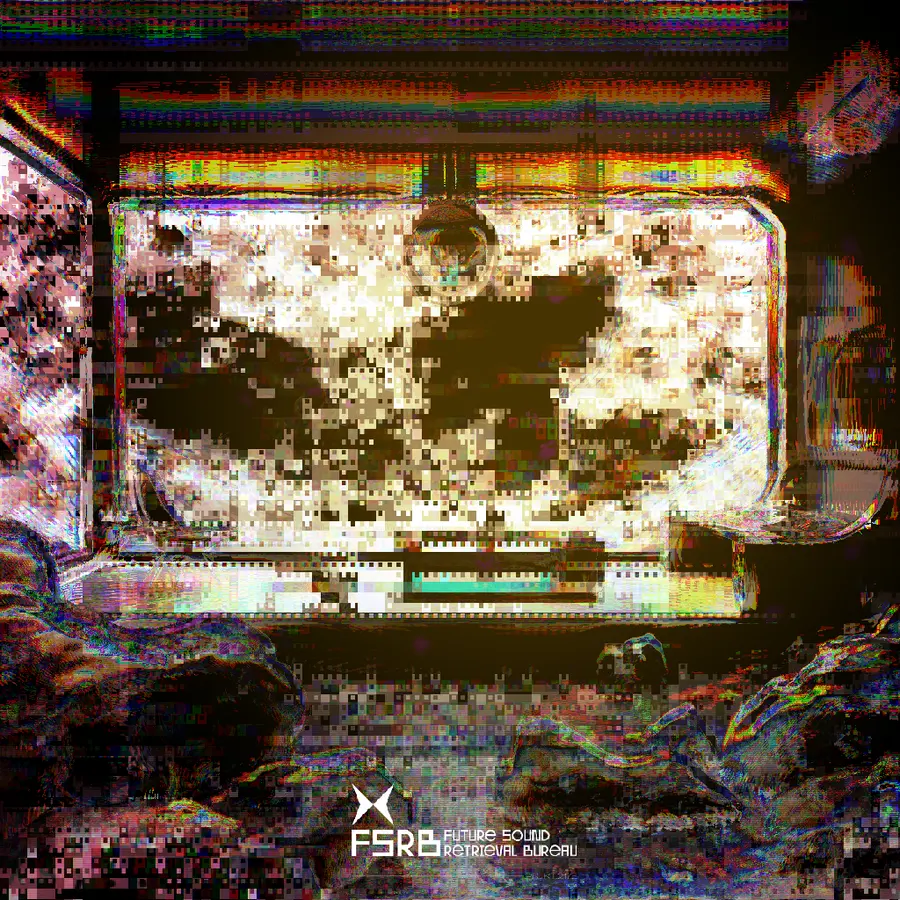
Is it different enough from its siblings? Two rolls that differ only in hue are one cover. Keep the one that fails differently, not the one that is merely another colour.
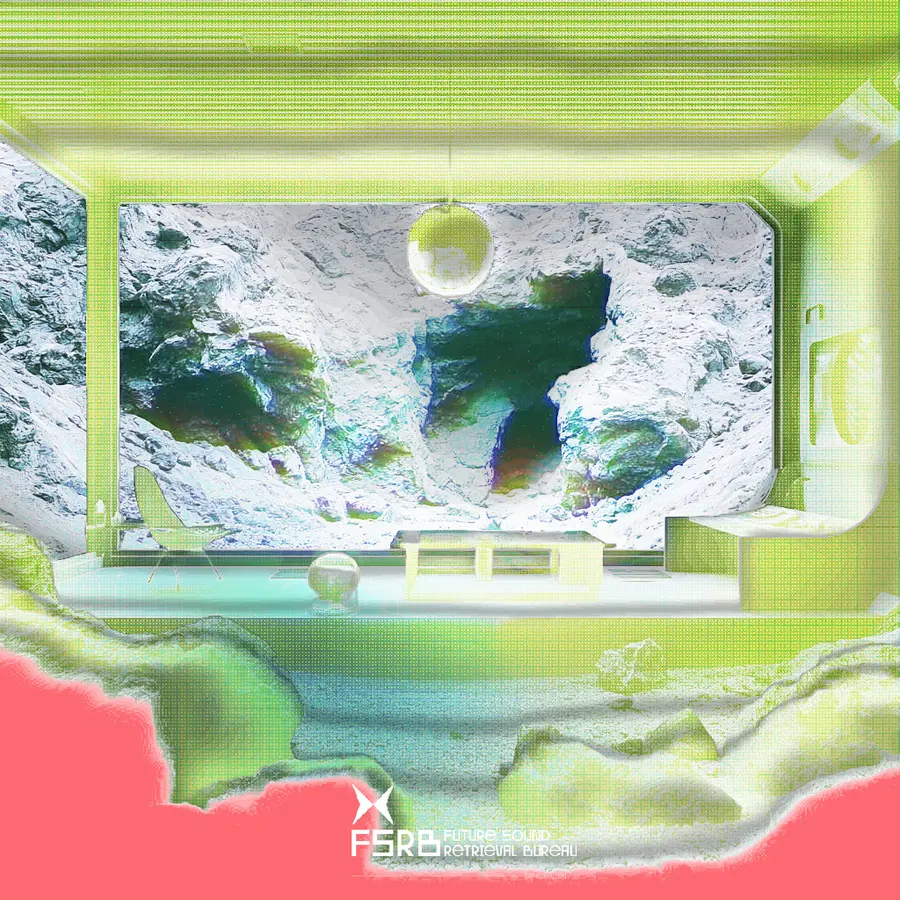
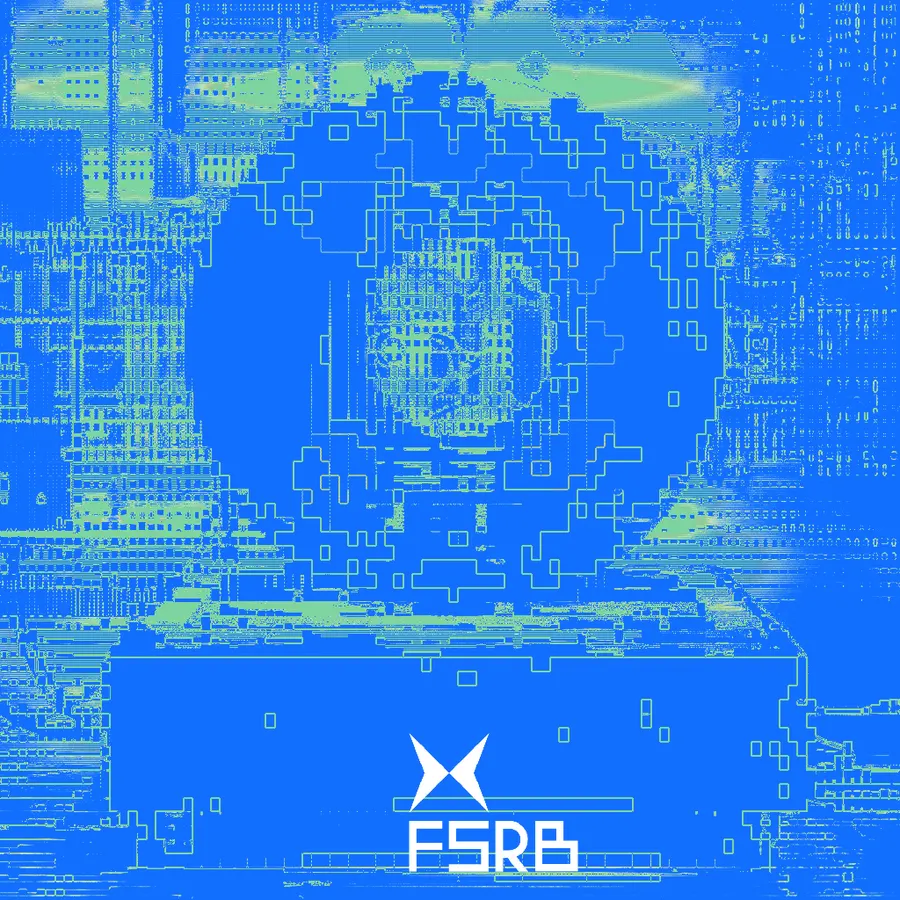
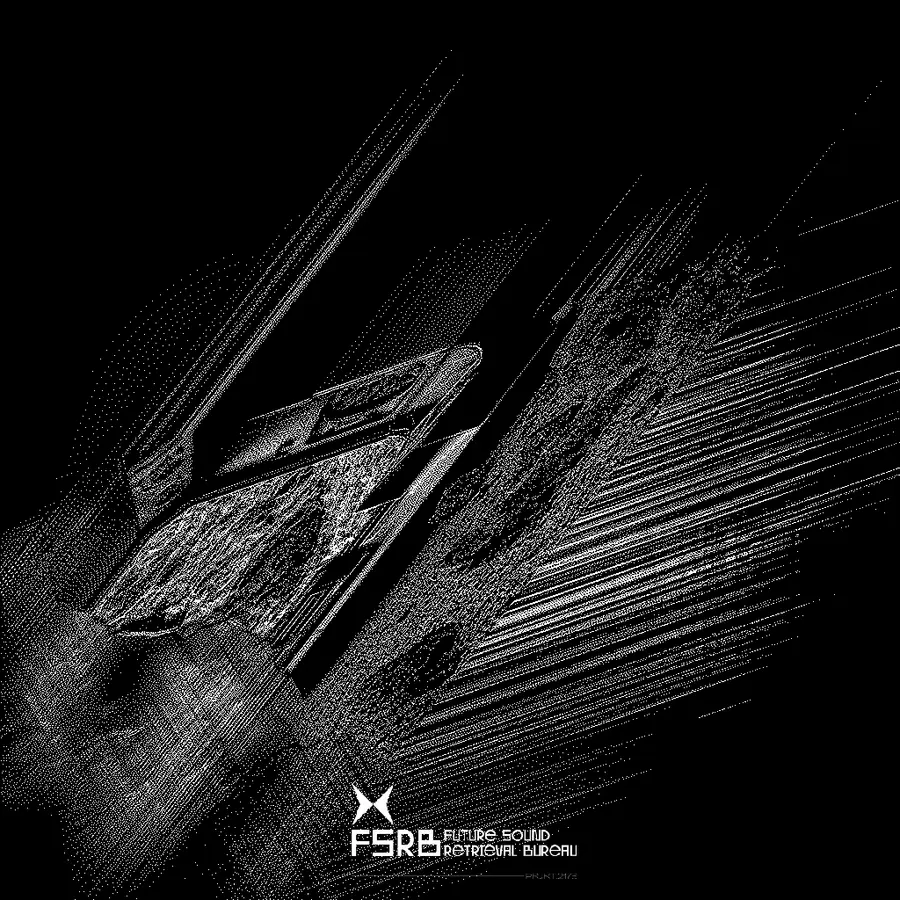
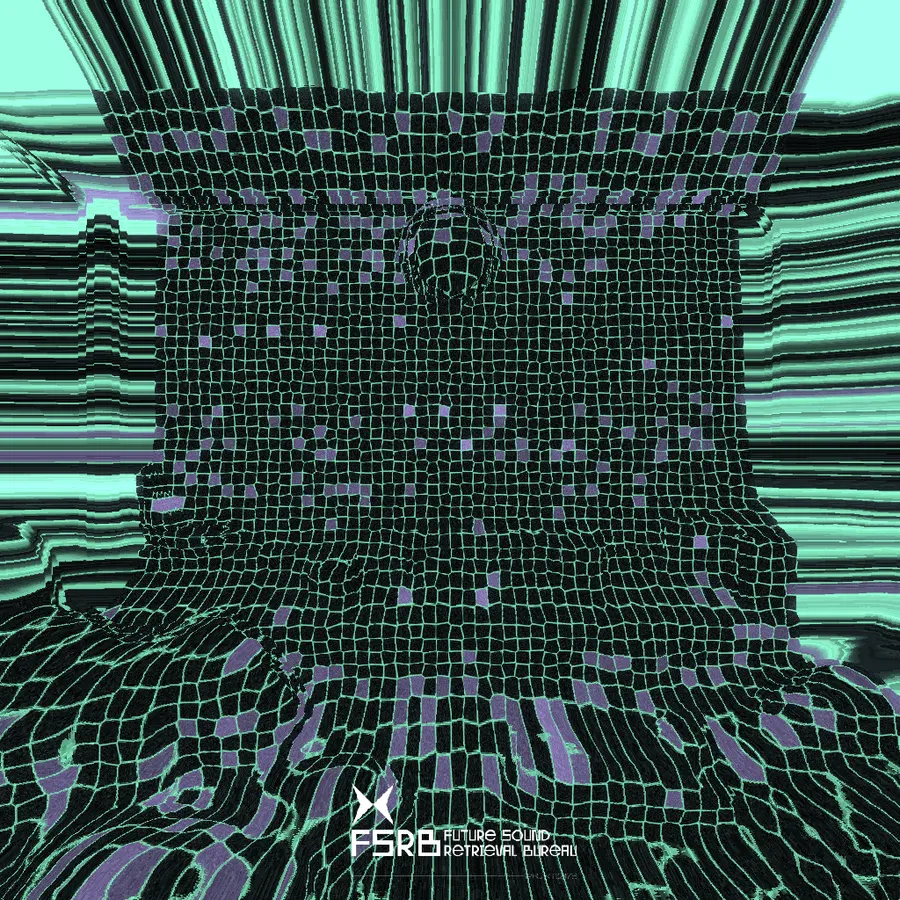
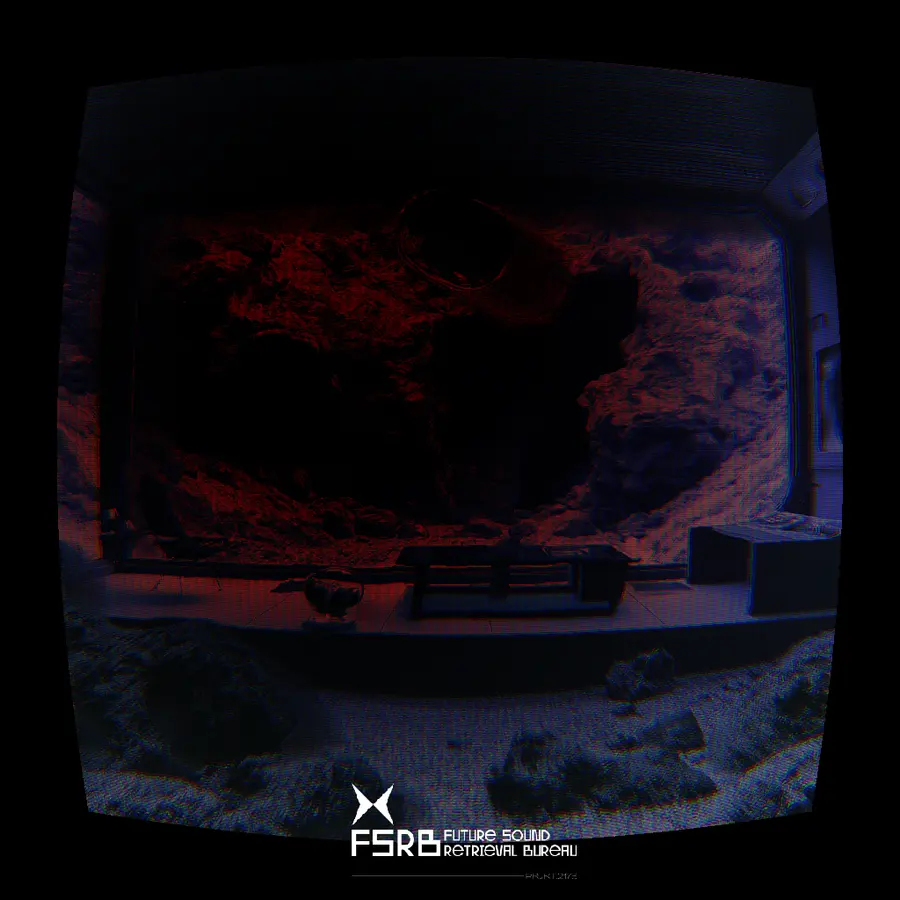
Here is the same viewing-window frame across sixteen rolls. Most of these are not covers. Four or five are arguable. One made the set.
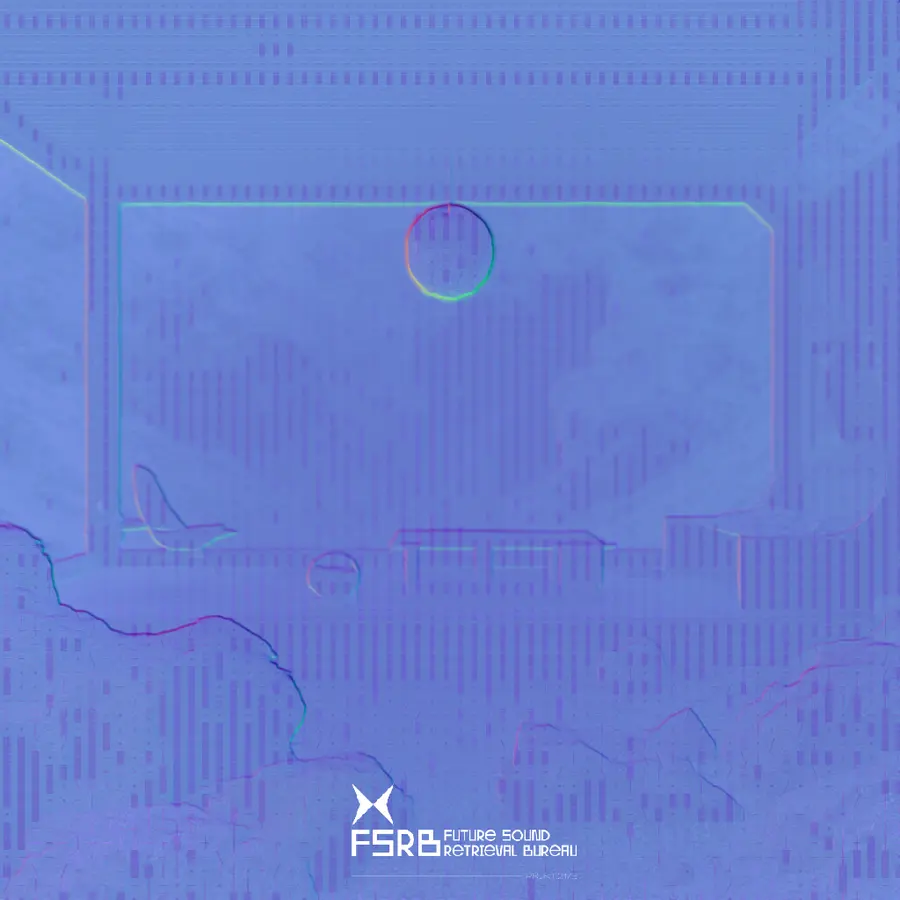
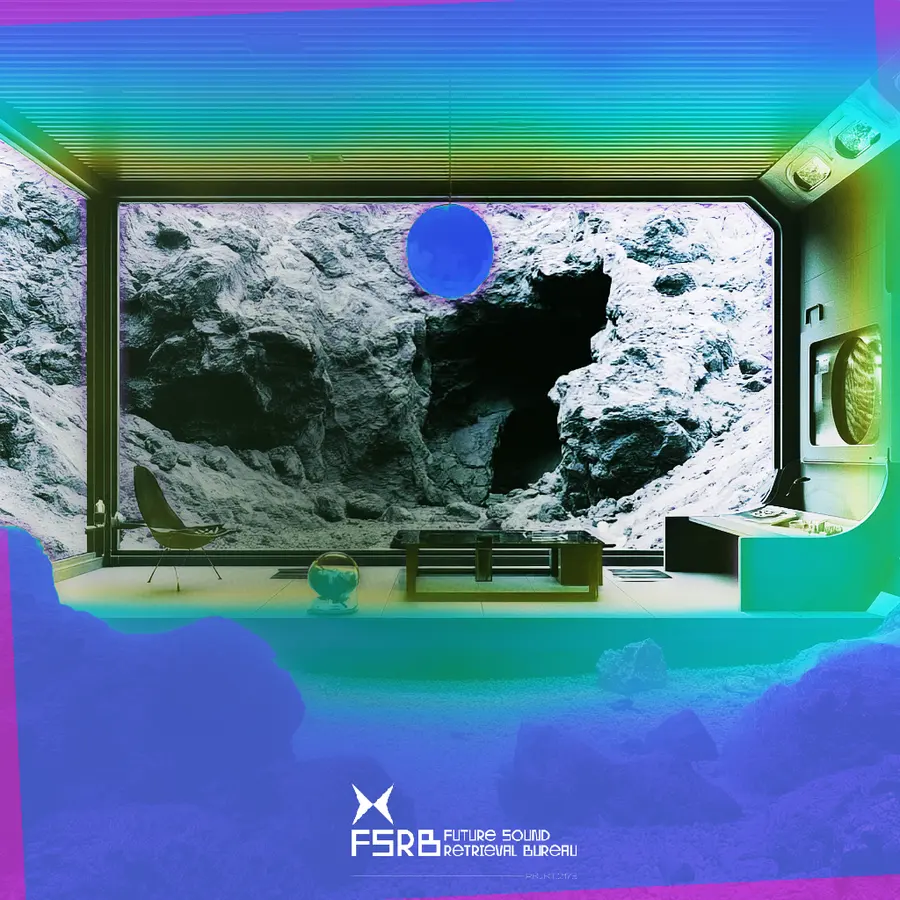
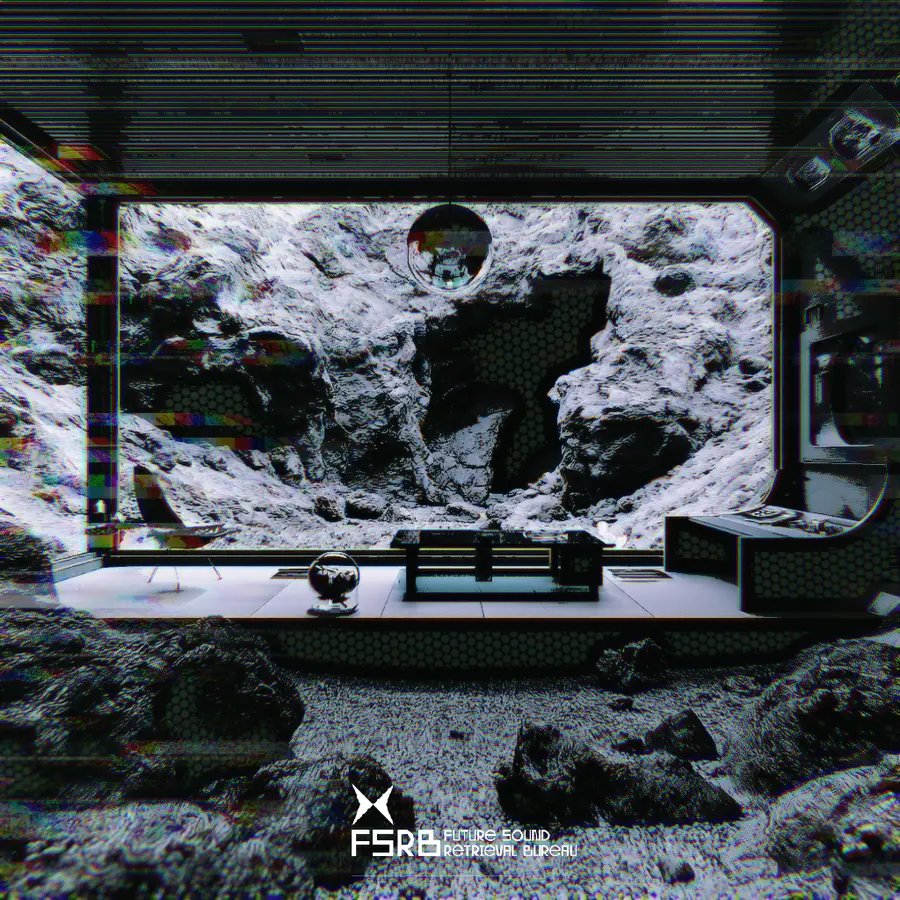
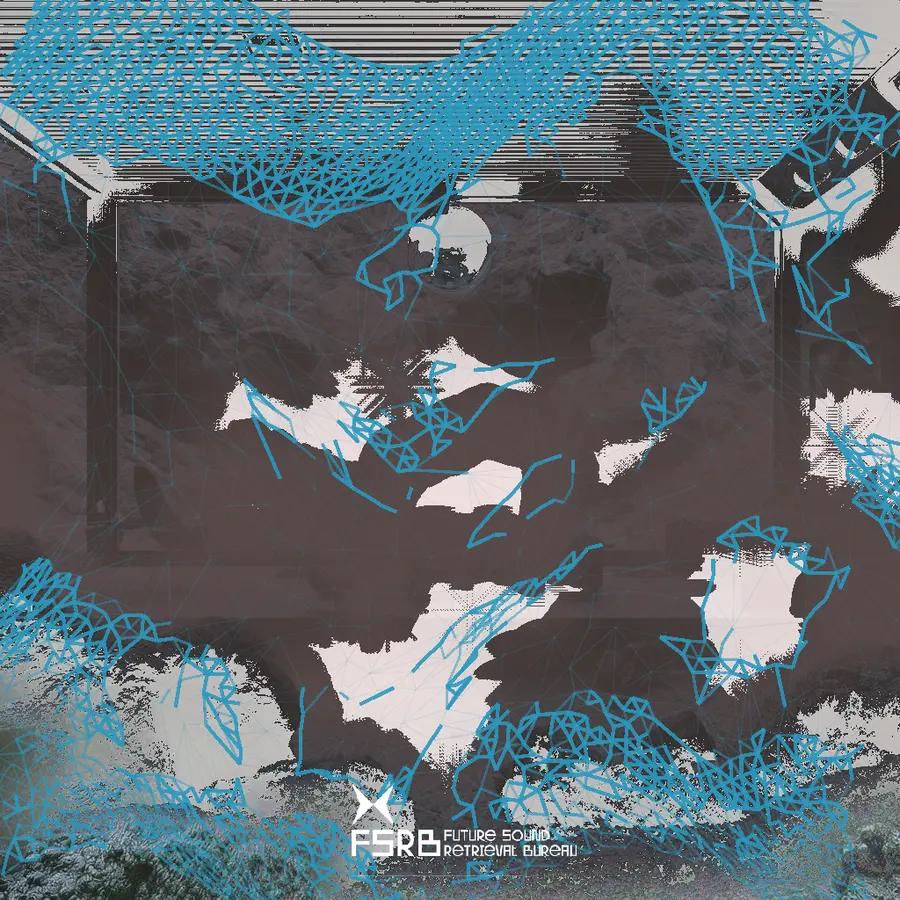
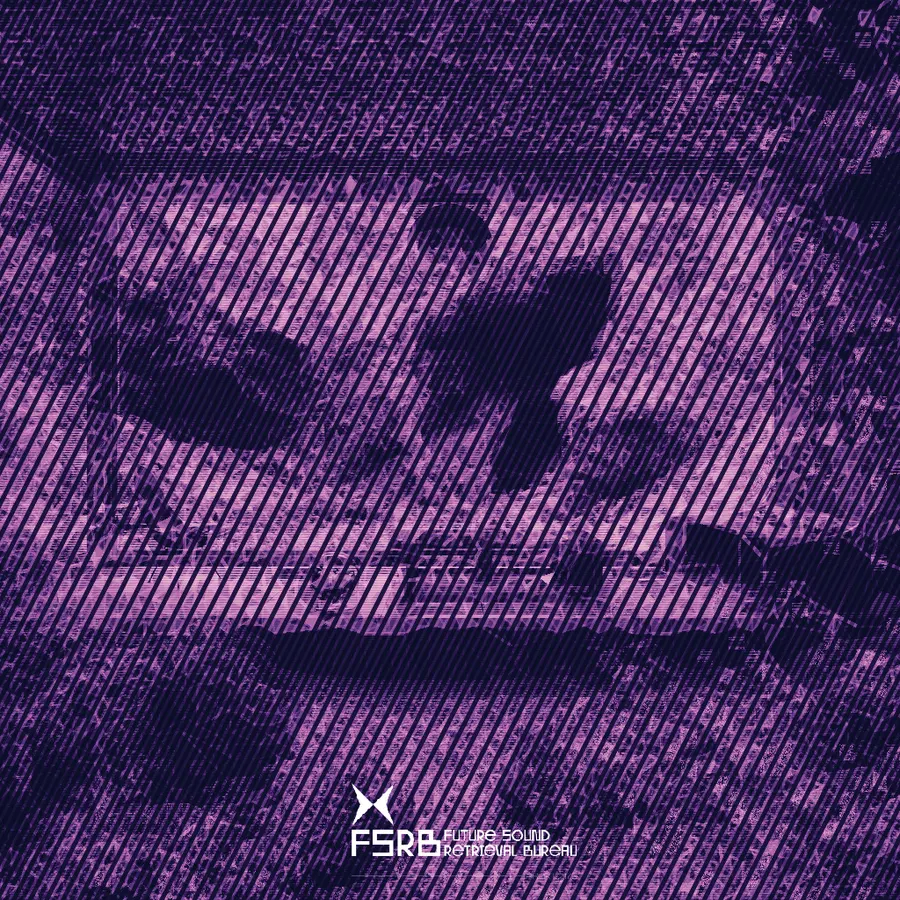
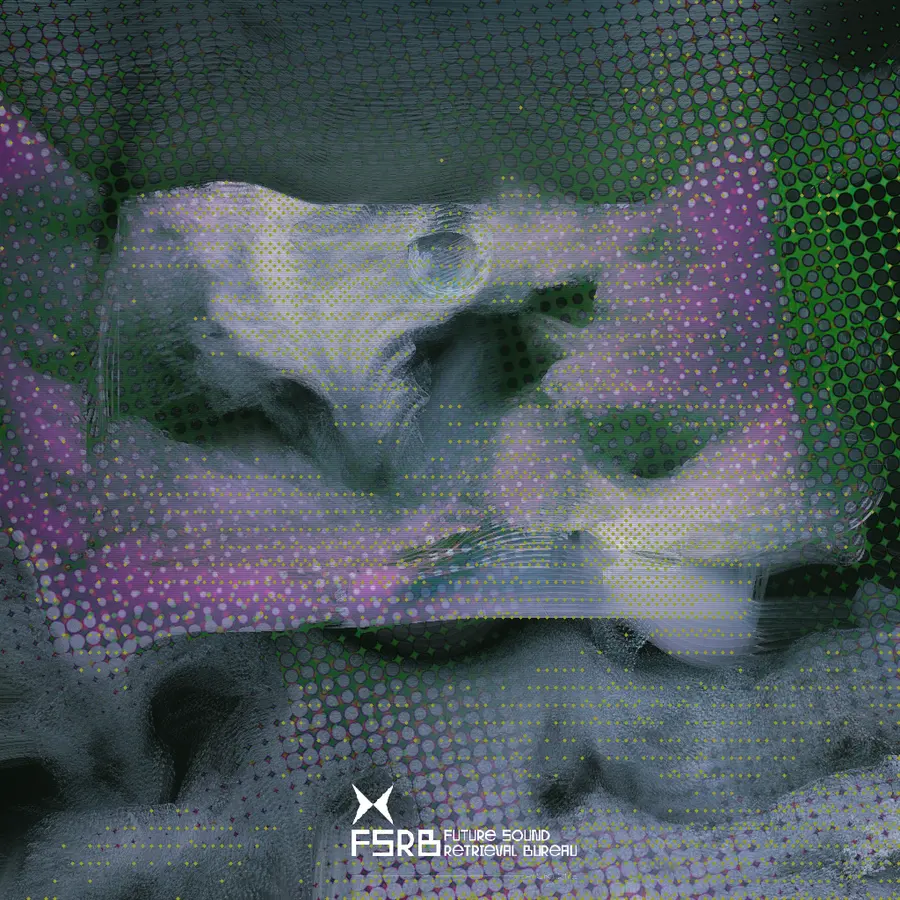
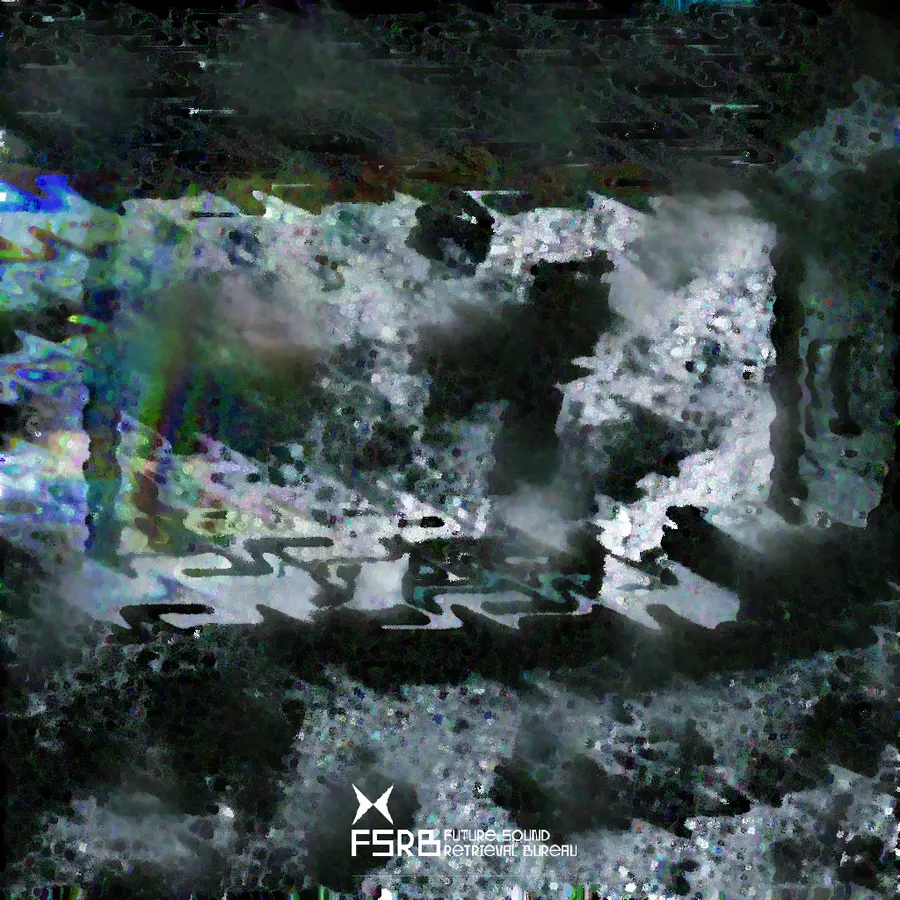
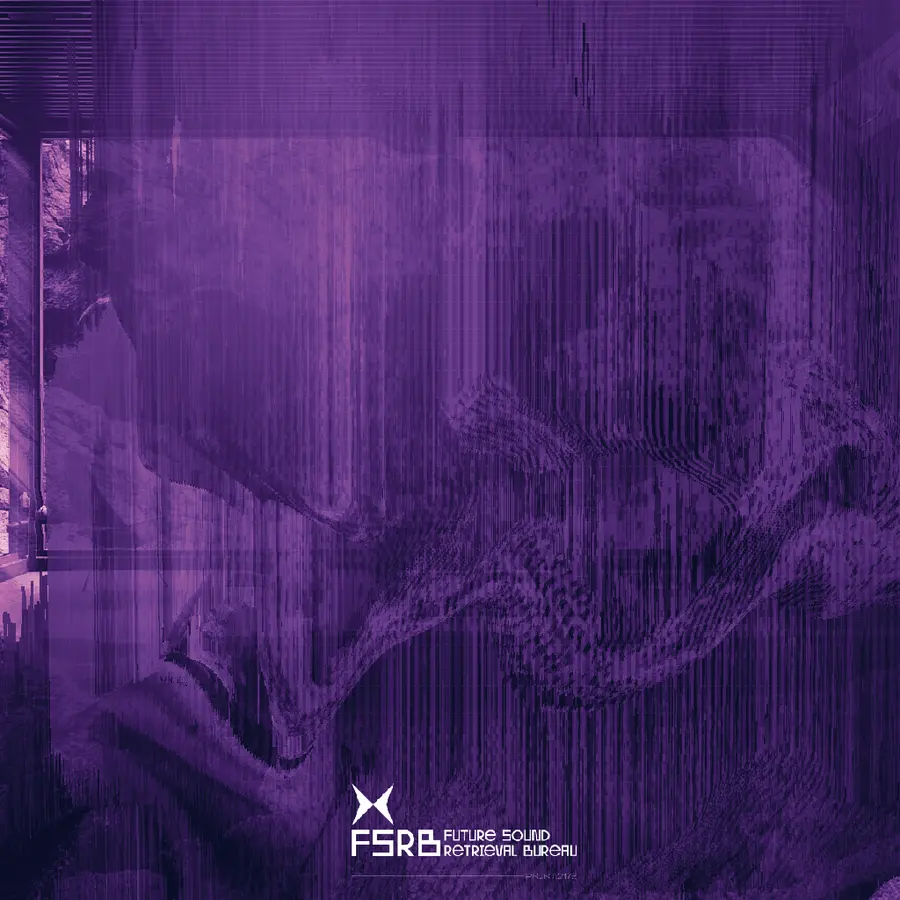
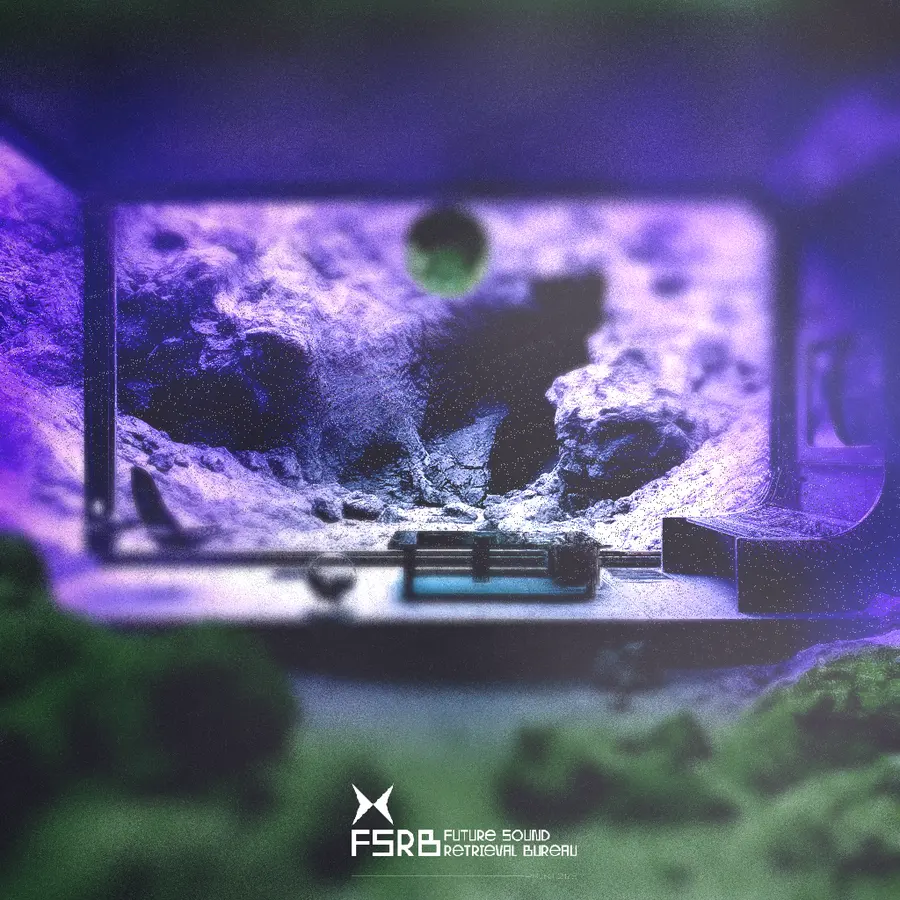
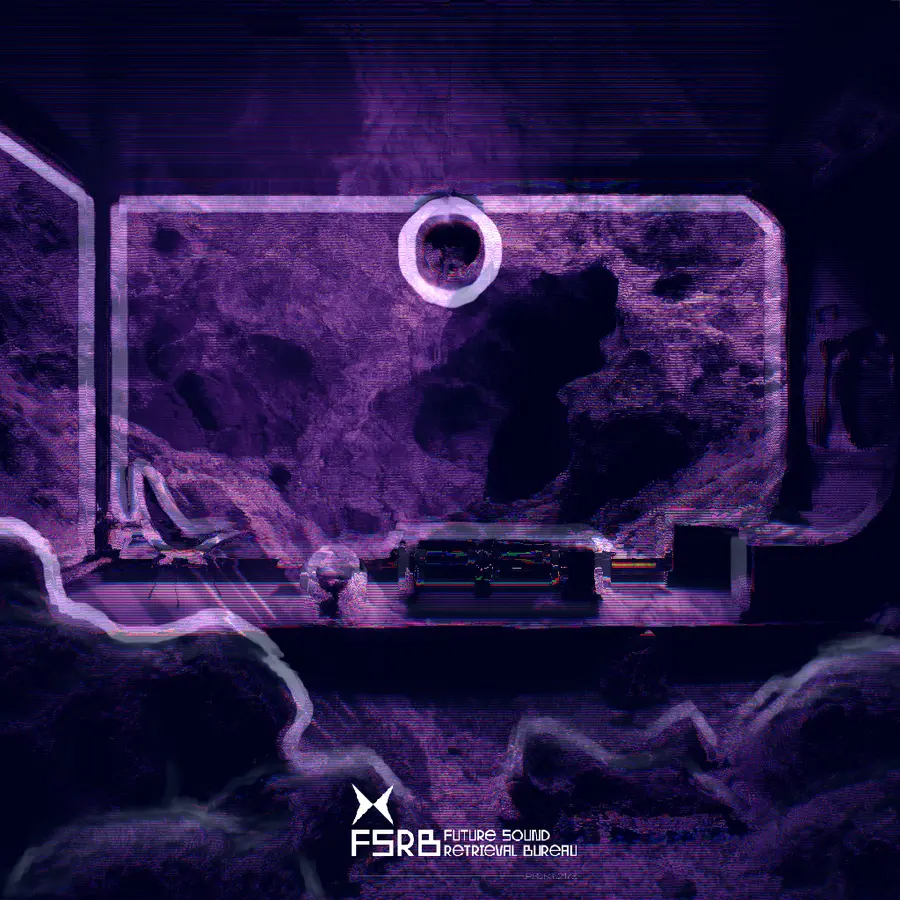
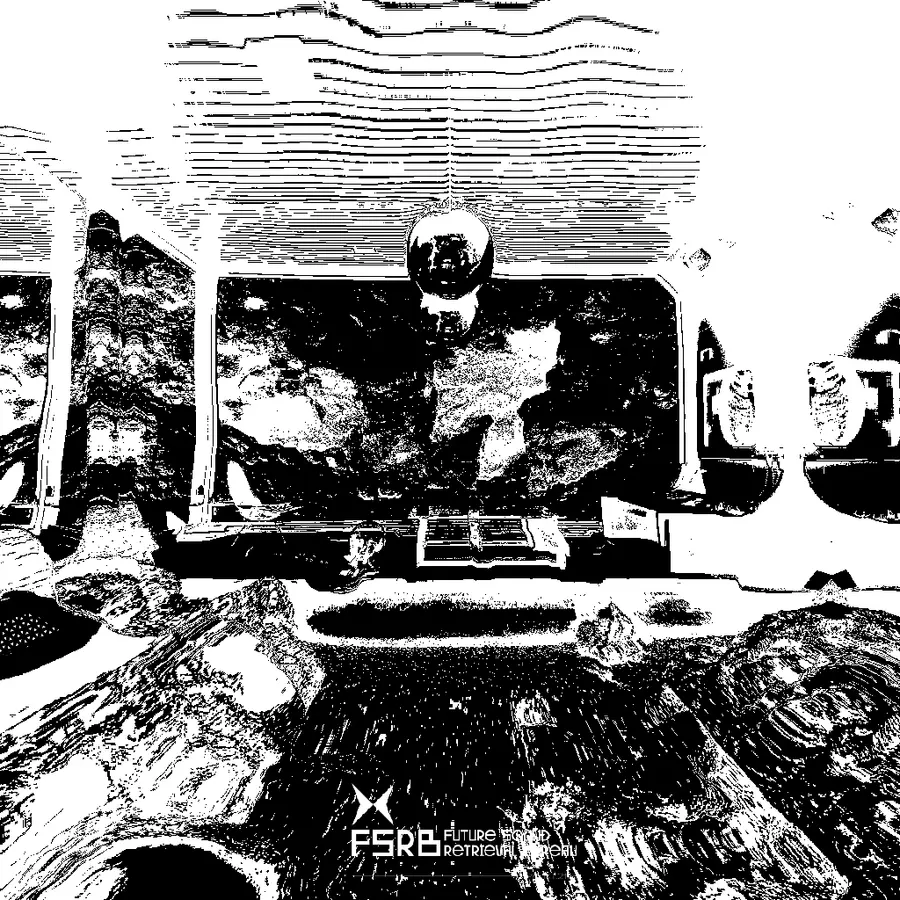
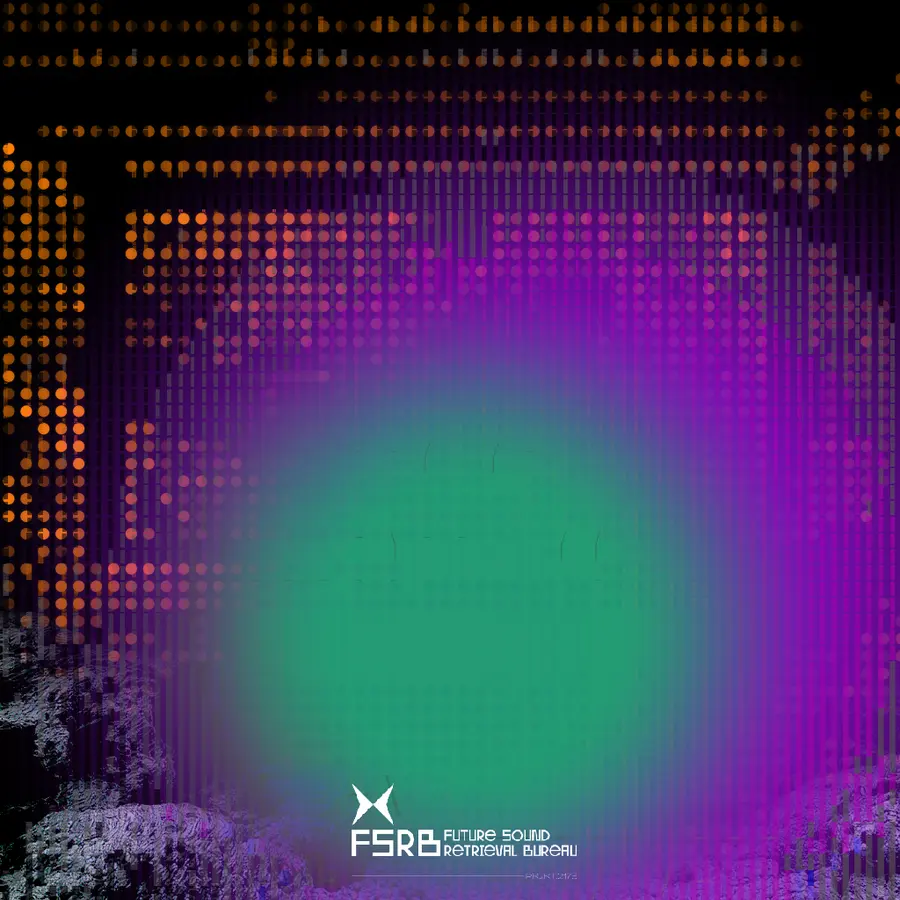
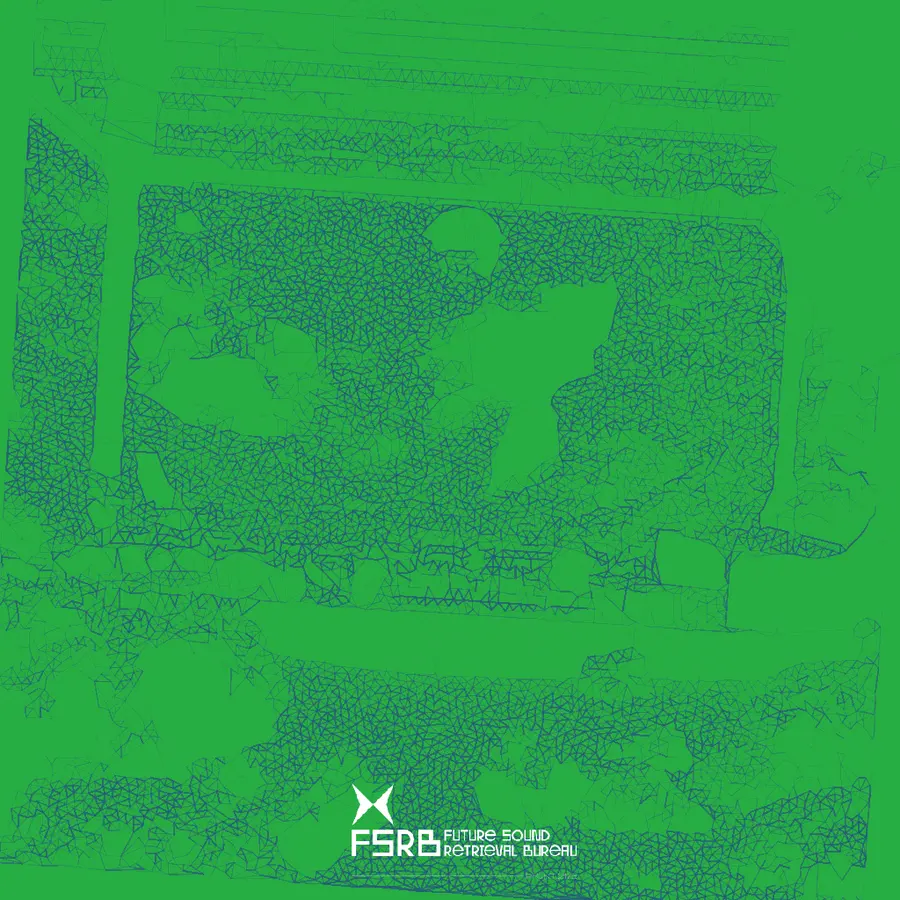
The identity is the constraint, the variety is the roll
This is the part worth stealing for any release series. Consistency does not come from reusing one look — it comes from fixing what is constrained and rolling what is not. Family bias, grade and the overall damage ceiling stay put; which effects land, where they hit and how hard is what varies.
When a roll gets something right, lock that layer and keep rolling the others. That is how a set converges: hold the part that is working, let the rest keep moving. Save the keepers as looks and the next release starts from them rather than from scratch.

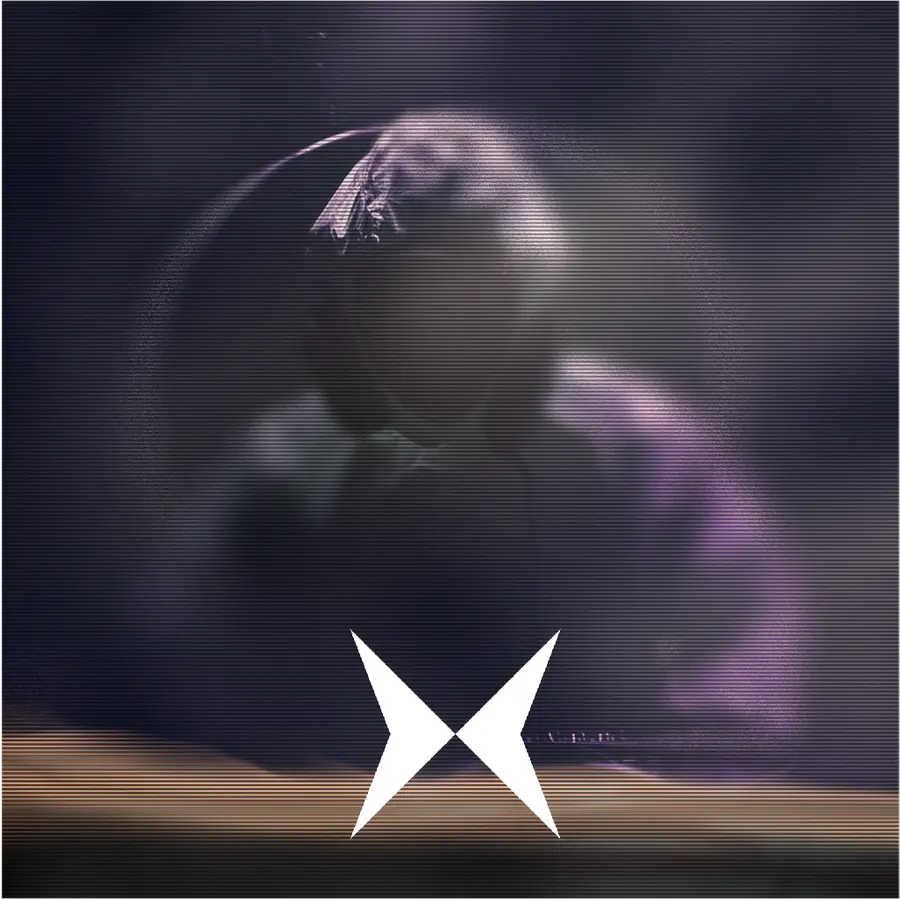

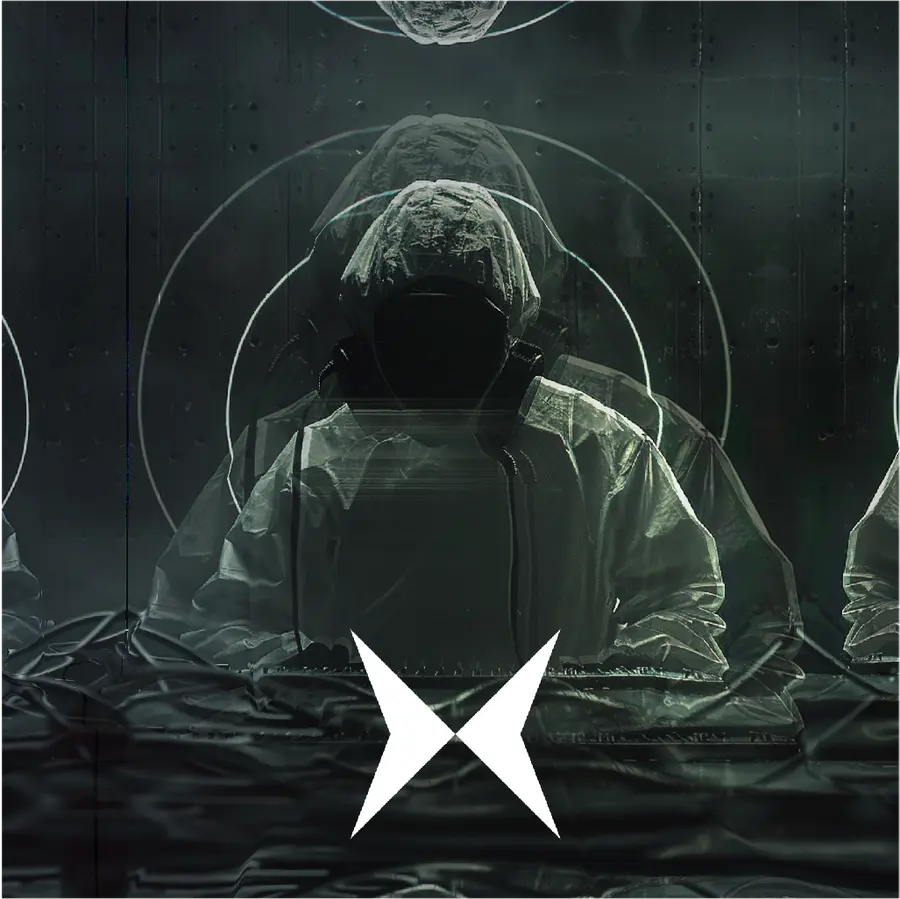

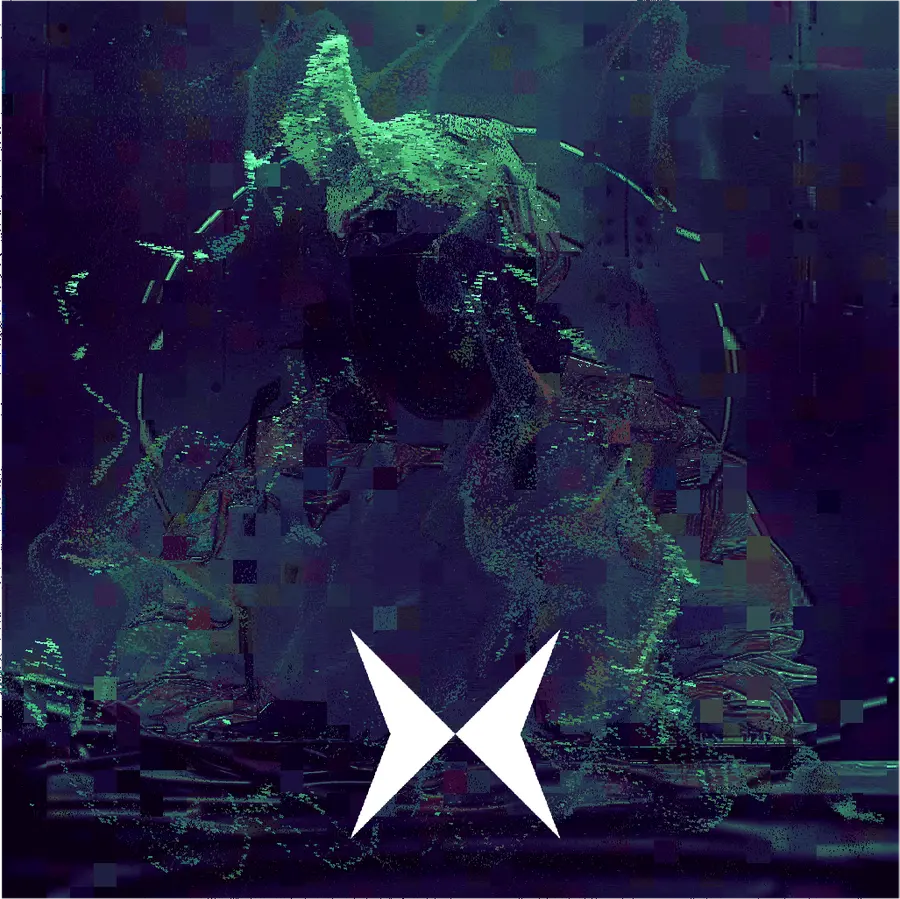


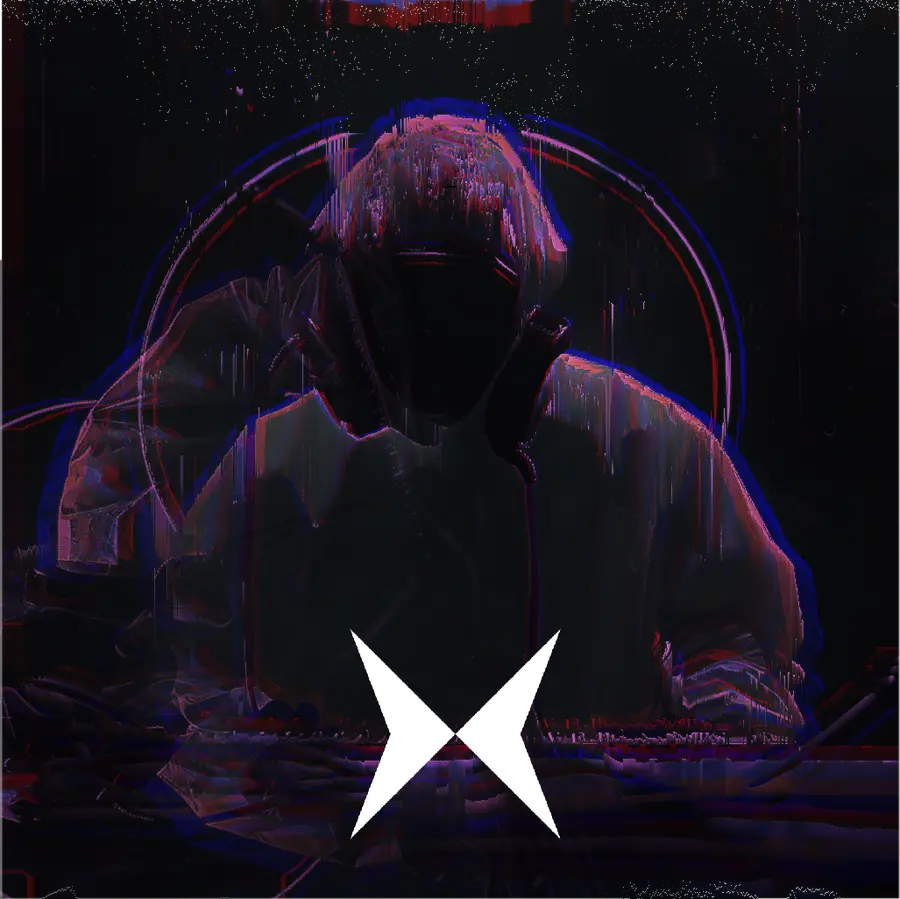


Grain is load-bearing
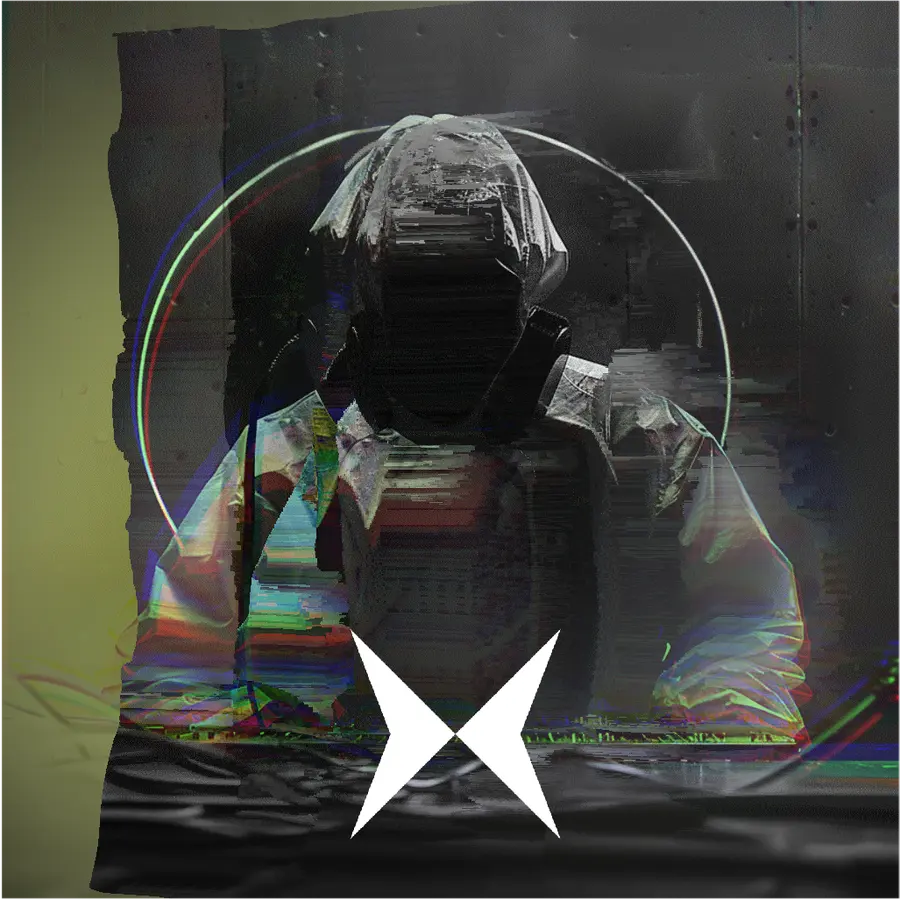
Practical before aesthetic. Dark gradients band badly once streaming compression gets hold of them — contour lines across what should be a smooth falloff. Grain gives the compressor texture to hold, so the darkness breaks into film instead of stair-steps. It also reads as recorded rather than rendered, which is the whole idea.
Mark and file number go on last
The artwork carries the cover; the logo sits small and stays out of the weather, with the file number beside it. Copy the finished frame out, drop it into your layout tool, place the mark, done — a paste in each direction, no export-and-reimport round trip.
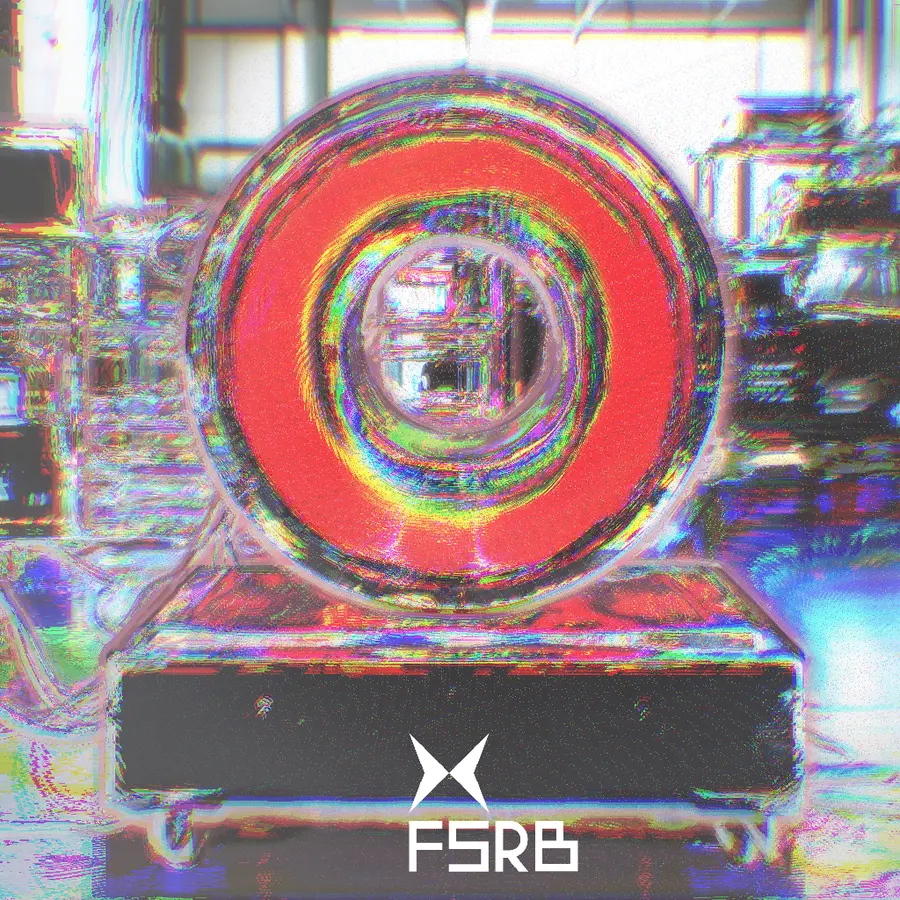
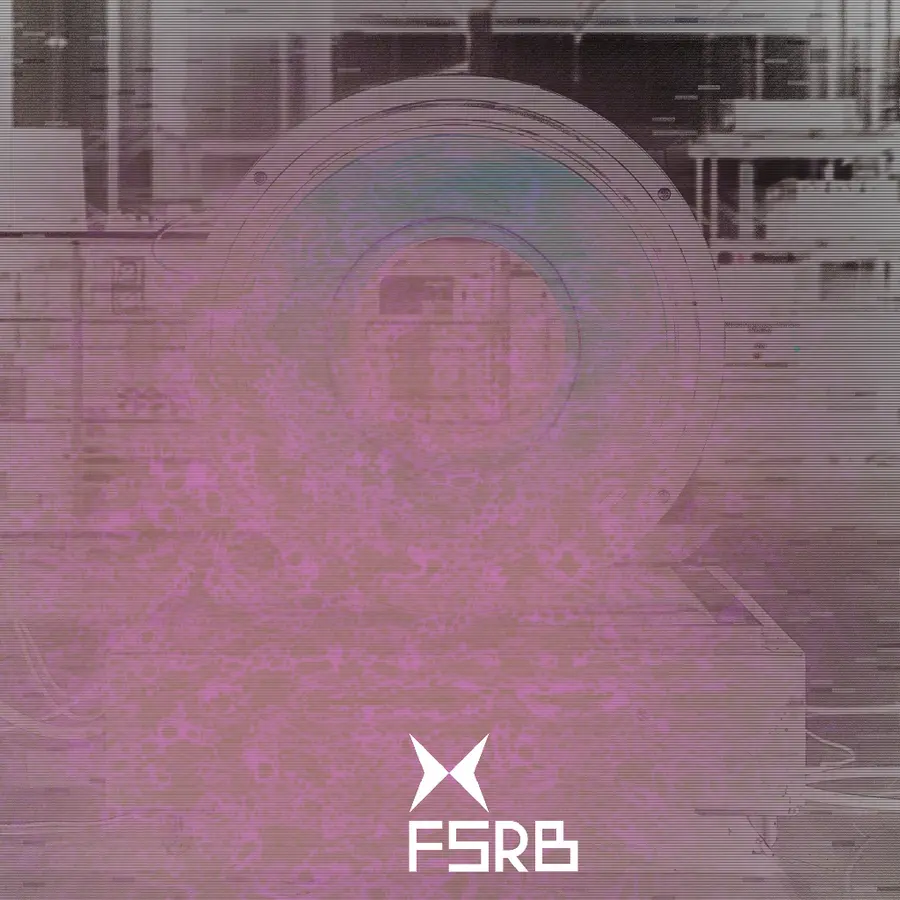
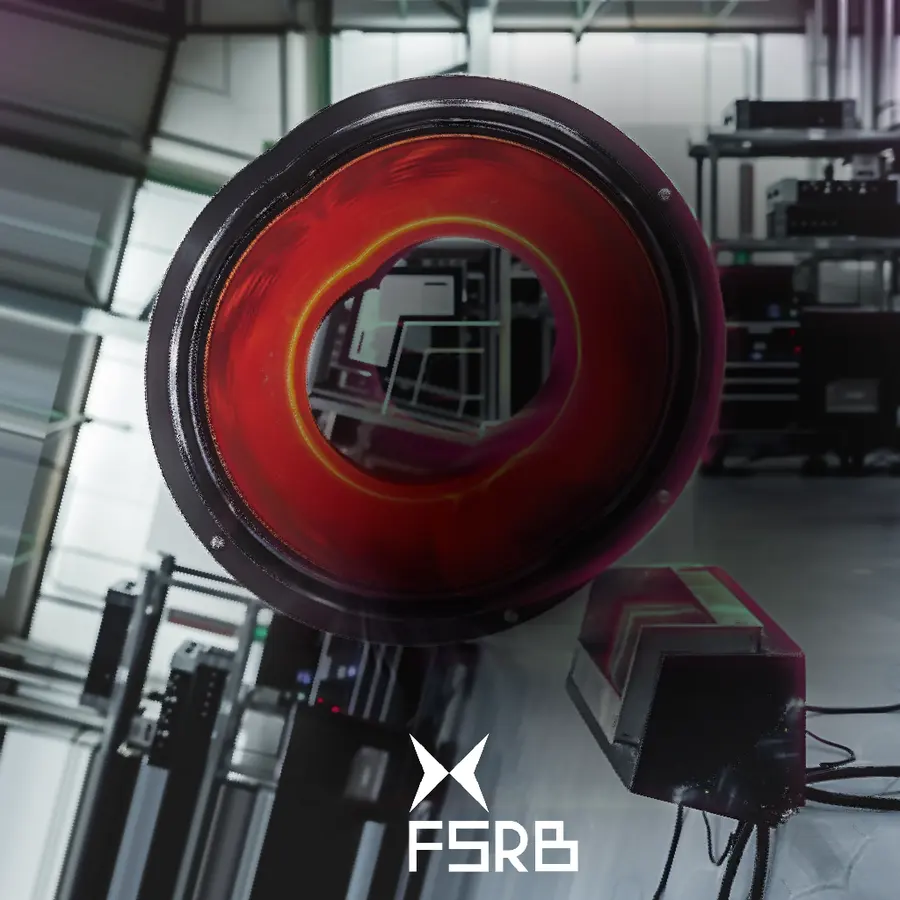
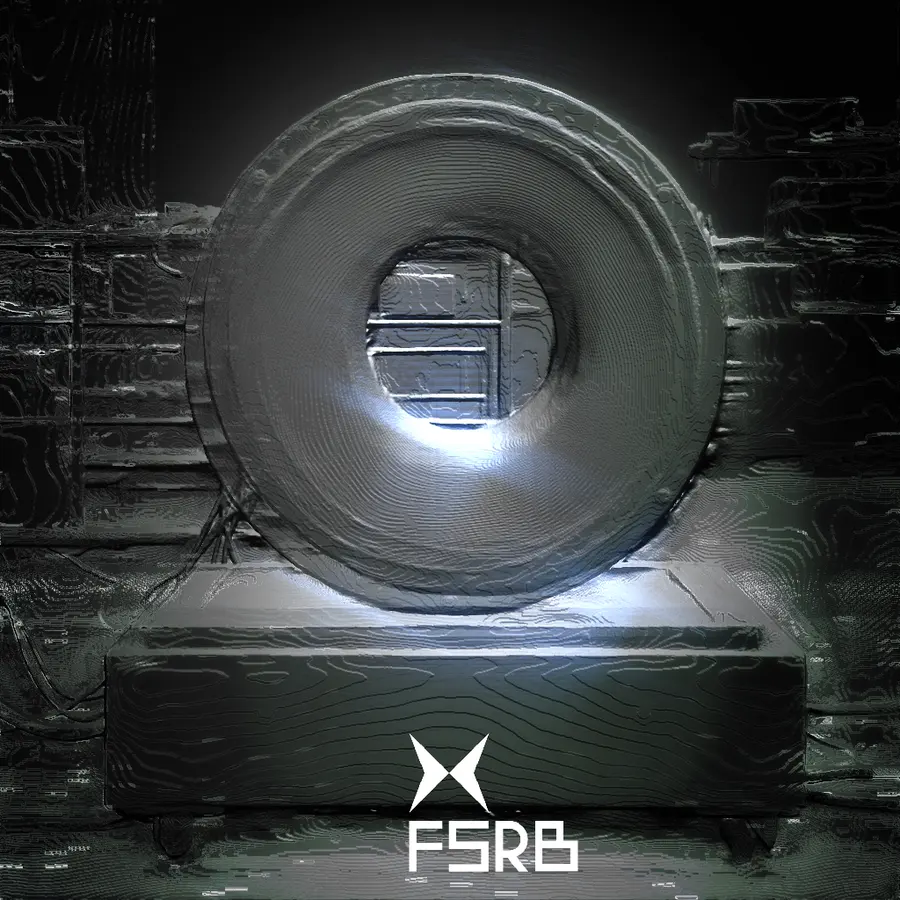
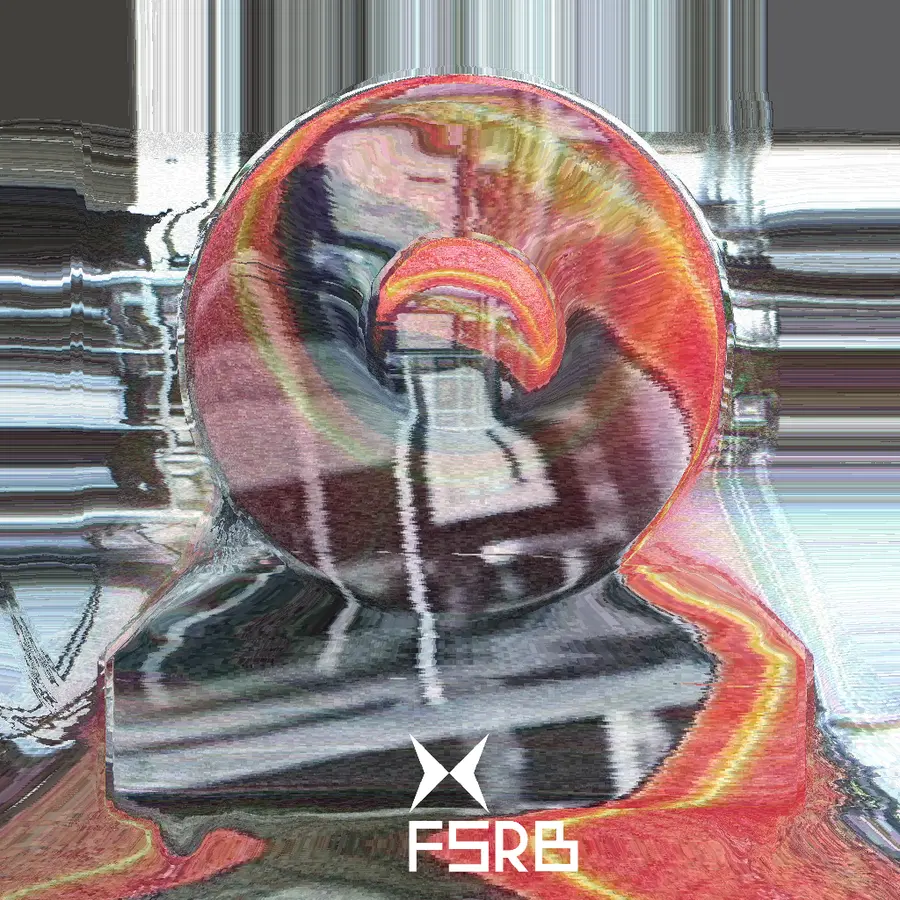
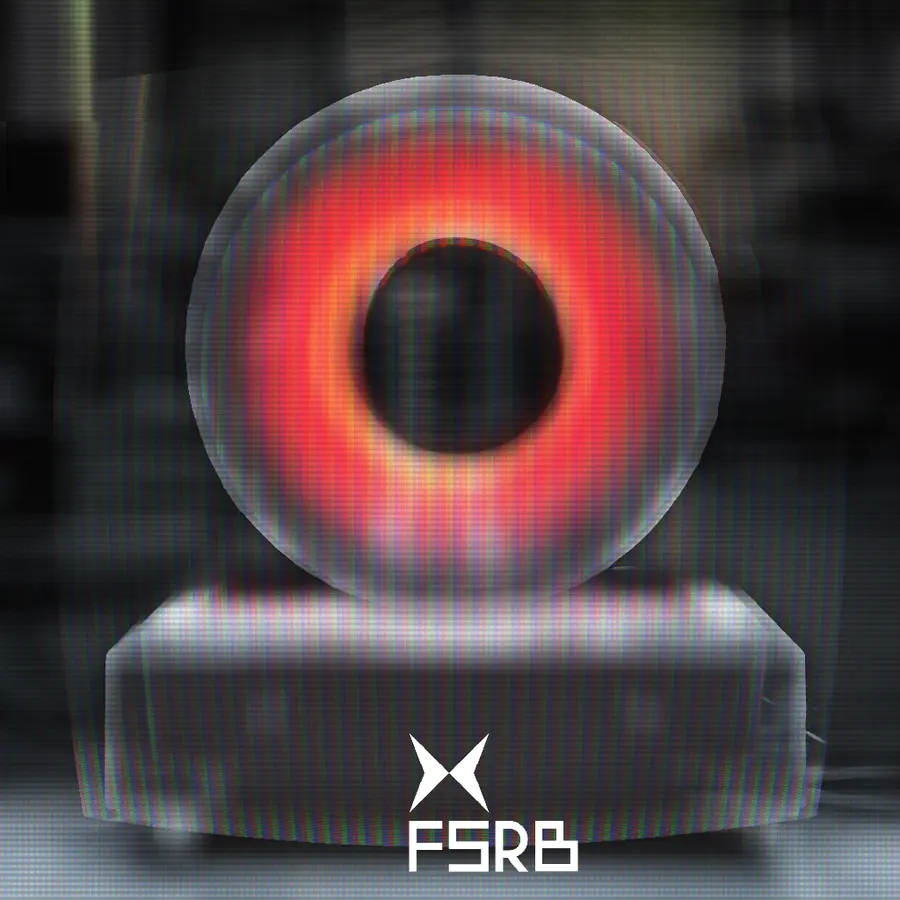
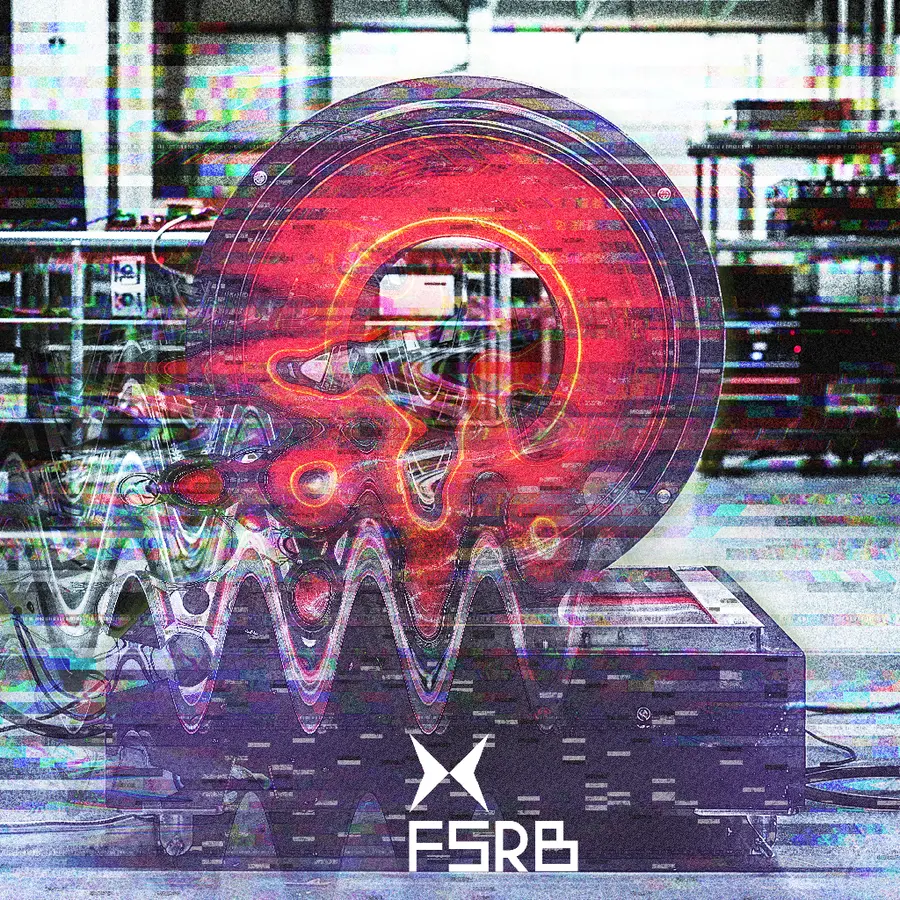
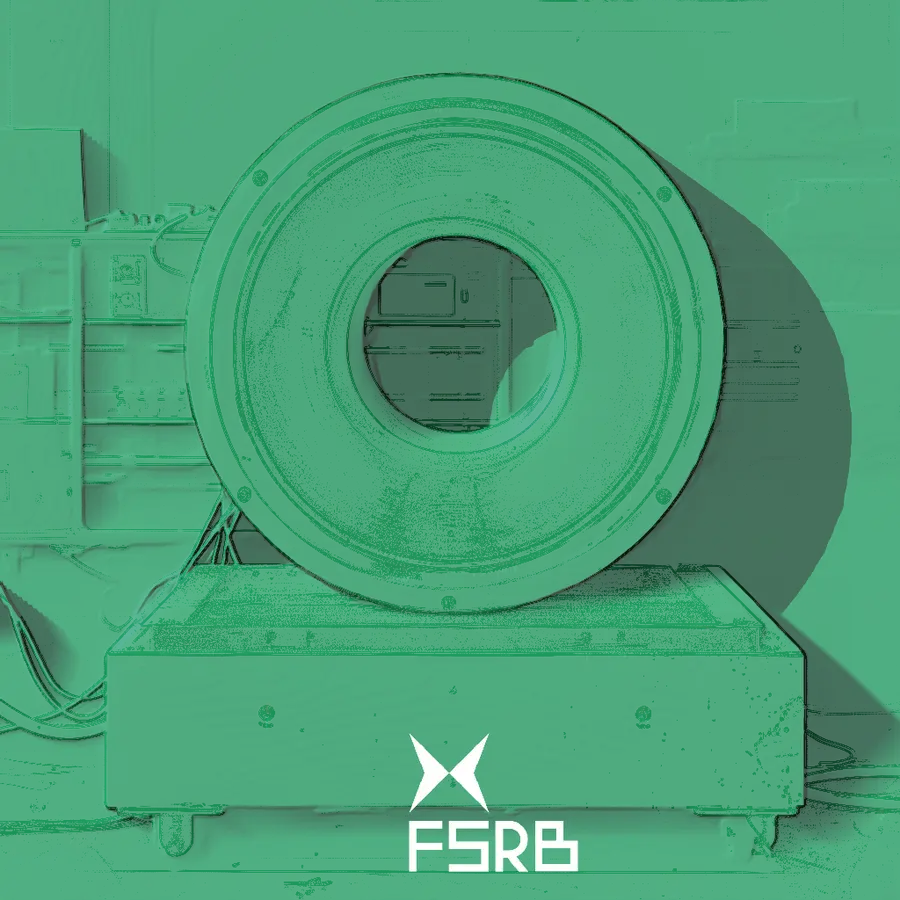
The fourth frame ran the longest, because the coil is a hard shape to break without losing it. Twenty rolls, one keeper.


Then set them moving
The covers are stills, but the releases are long-form video. Animate one parameter of a kept look — the damage ceiling, the haze, the scan — and export a clean loop straight out of the browser. The still is the file; the loop is the file still degrading.